


Understanding Portable Reference Electrodes
Release time:
2025-06-03
Portable reference electrodes are essential tools in various environmental detection instruments, particularly in online monitoring systems. They serve as stable reference points for measuring the electrical potential of various substances in the environment. By ensuring accurate readings, these electrodes enhance the reliability and precision of measurements in various applications, including wat
Portable reference electrodes are essential tools in various environmental detection instruments, particularly in online monitoring systems. They serve as stable reference points for measuring the electrical potential of various substances in the environment. By ensuring accurate readings, these electrodes enhance the reliability and precision of measurements in various applications, including water quality assessment, soil analysis, and corrosion monitoring.
One of the primary functions of a portable reference electrode is to maintain a constant potential against which the measurements can be compared. This is critical in applications where fluctuating environmental conditions can lead to variations in readings. For example, in water quality monitoring, fluctuating ion concentrations can compromise the accuracy of sensor readings. A portable reference electrode, often filled with a stable electrolyte solution, helps mitigate these variations, allowing for more consistent and reliable data collection.
Moreover, the portability of these electrodes is a significant advantage for fieldwork. Environmental professionals often need to conduct tests in remote or varying locations, where traditional stationary reference electrodes may not be practical. Portable versions allow for easy transport and setup, enabling real-time monitoring and data collection in dynamic environments. This flexibility is invaluable for tasks such as tracking pollution sources or assessing the effectiveness of remediation efforts in situ.
It is also worth noting that portable reference electrodes come in various designs, such as glass-bodied or plastic-bodied versions, catering to different environmental settings and requirements. Selecting the right type depends on factors like temperature range, chemical compatibility, and the specific application being undertaken. Professionals should consider these aspects when choosing an electrode to ensure optimal performance and durability.
The maintenance of portable reference electrodes is crucial for ensuring their longevity and reliability. Regular inspection, cleaning, and electrolyte replenishment can prevent contamination and degradation, which can compromise measurement accuracy. Professionals should develop a routine maintenance schedule to keep their electrodes in top condition, ensuring consistent performance over time.
In conclusion, portable reference electrodes are indispensable in environmental monitoring, providing critical support for accurate and reliable measurements in diverse settings. Their portability, stability, and ease of use make them a preferred choice for professionals in the field. By understanding their functionality and importance, users can enhance their environmental monitoring efforts, leading to better data quality and more informed decision-making. Whether you are involved in water quality assessment or soil testing, investing time in understanding and utilizing portable reference electrodes will yield significant benefits in your monitoring projects.
Key words:
Learn more about industry dynamics
The company's main products: magnesium alloy sacrificial anode series, aluminum alloy sacrificial anode series, zinc alloy sacrificial anode series, and cathodic protection supporting products, such as more than a dozen varieties and hundreds of specifications.

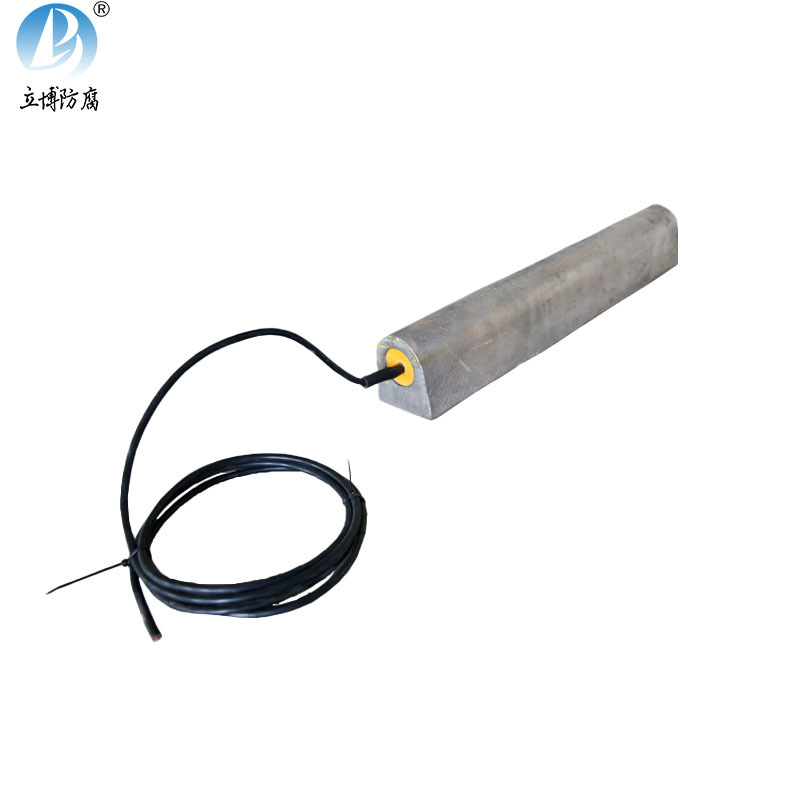
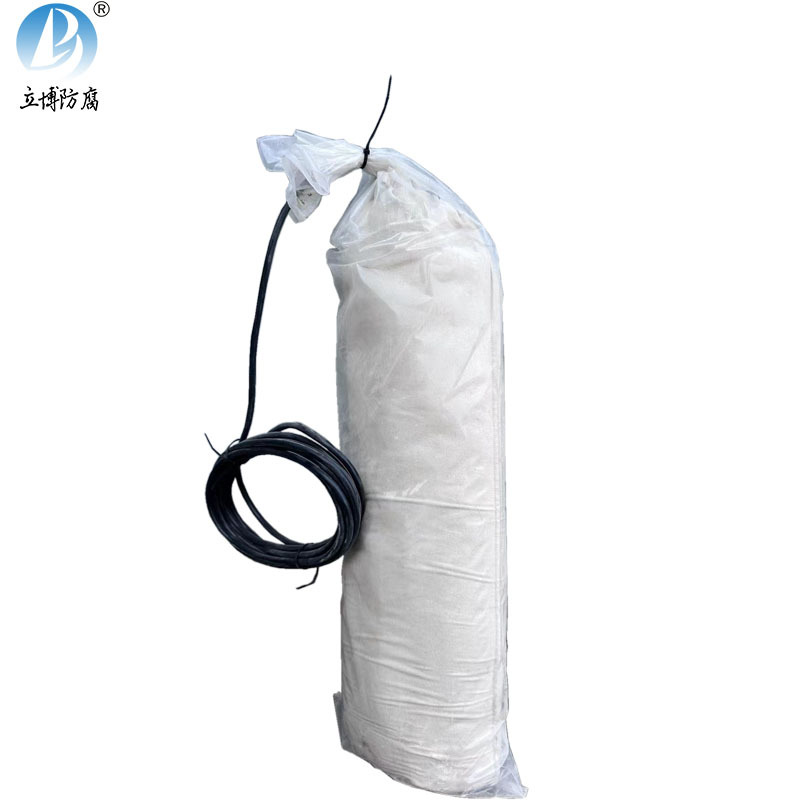

Focus on the development and production of cathodic protection materials

online message
We will contact you within one working day. Please pay attention to your phone or email.