


Understanding Deep Well Anodes: A Key Component in Corrosion Prevention
Release time:
2026-06-03
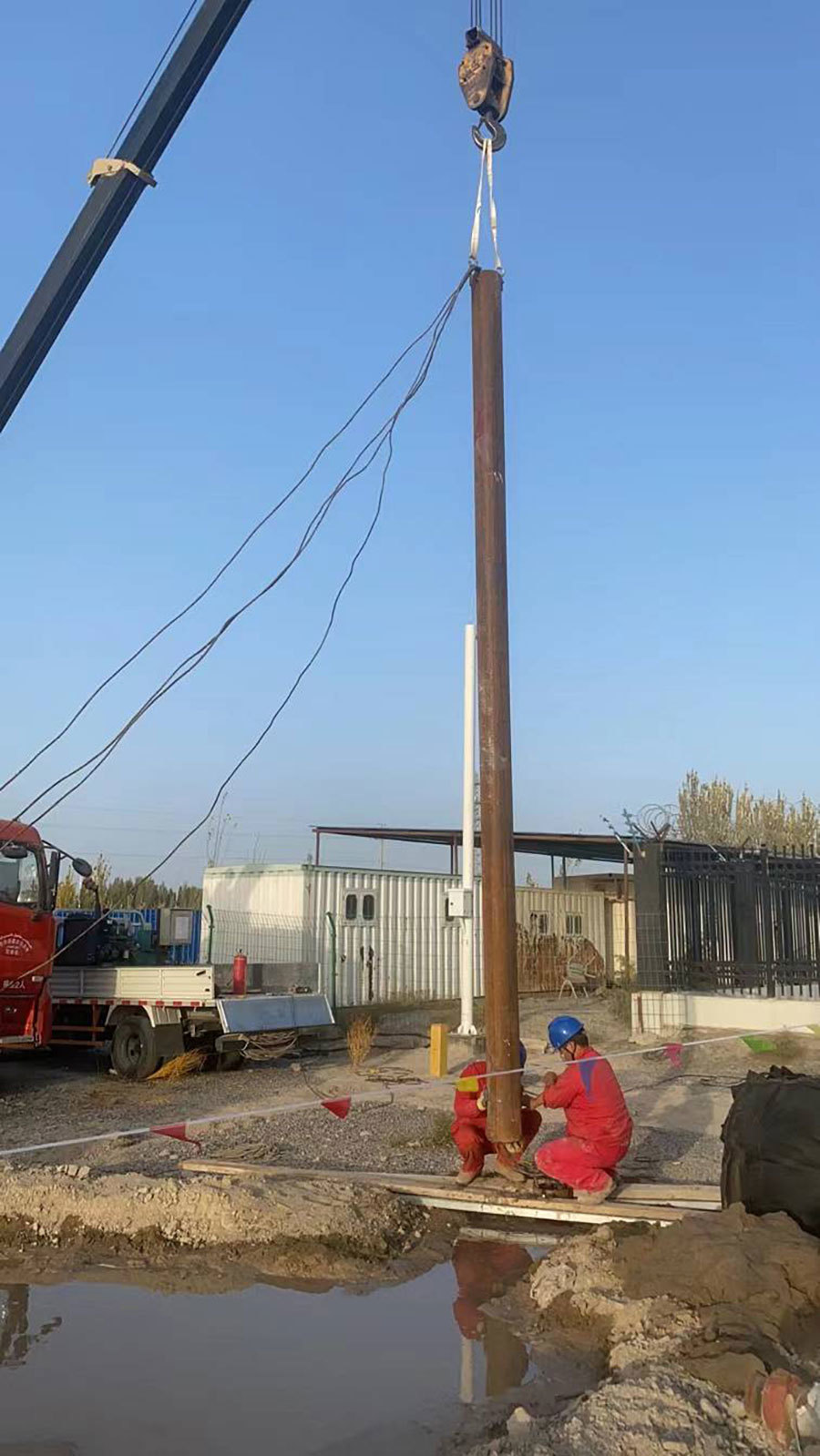
Deep well anodes play a critical role in the domain of corrosion prevention, particularly in environments where traditional cathodic protection systems may fall short. These anodes are designed to be installed deep underground, often in soil or water, making them particularly effective in safeguarding buried structures such as pipelines, tanks, and other metallic components from corrosive elements
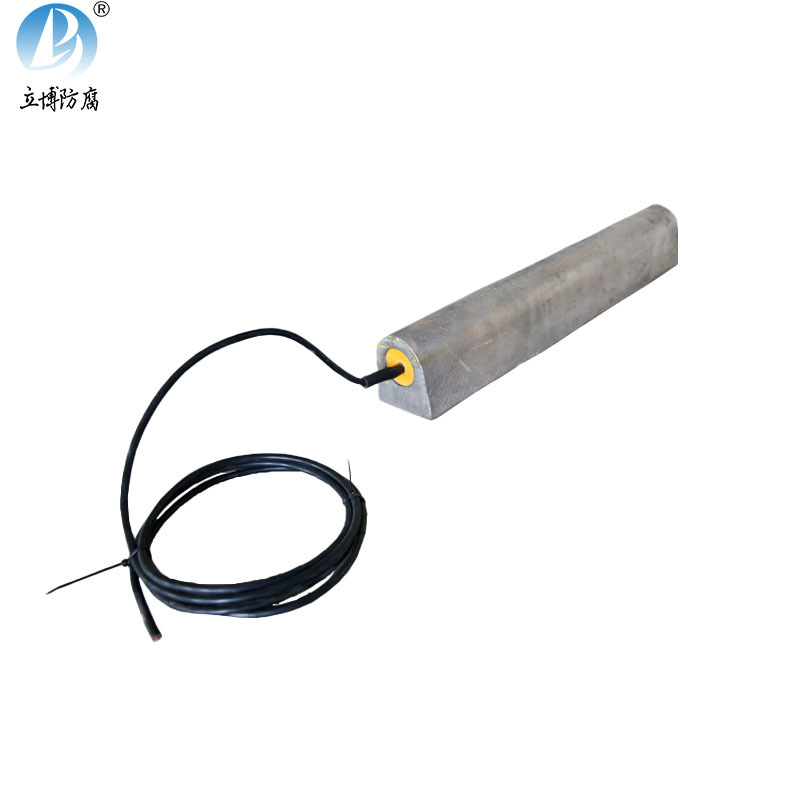
The primary function of deep well anodes is to mitigate the electrochemical reactions that lead to corrosion. By providing a sacrificial anode, they divert the corrosive activity away from the primary metallic structure. Through a process known as cathodic protection, the anode corrodes instead of the protected metal, thus extending the lifespan of vital infrastructure.
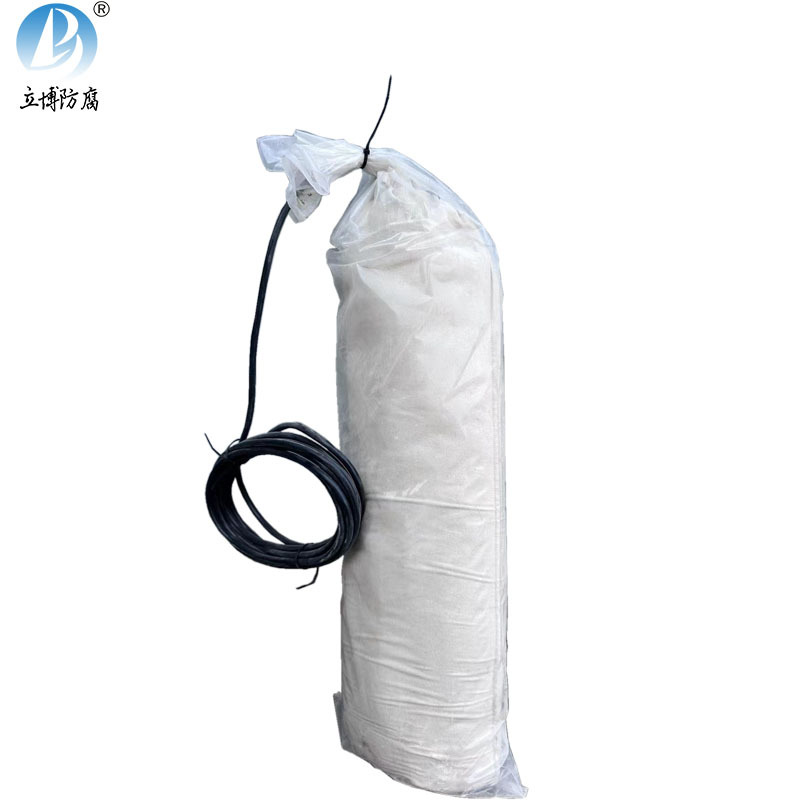
Different materials are utilized for deep well anodes, with zinc, magnesium, and aluminum being the most common choices. Each material has its unique advantages depending on the specific environmental conditions. For instance, magnesium anodes are often preferred in freshwater applications due to their high driving potential, while zinc anodes may be more suitable for seawater environments due to their effectiveness in saline conditions. Understanding the appropriate selection based on environmental factors is crucial for professionals in the construction and decorative materials industry.
Installation procedures for deep well anodes are equally important. Proper placement ensures that the anodes can effectively protect the surrounding structures. Factors such as soil resistivity, moisture content, and local corrosion rates need to be evaluated before installation. A comprehensive site assessment can help in determining the optimal depth and positioning of the anodes to achieve maximum efficiency.
Maintenance of deep well anodes should not be overlooked. Regular inspections and monitoring of their performance can provide insights into their effectiveness and help identify when replacement is necessary. Utilizing advanced monitoring technologies can assist in assessing the condition of both the anodes and the structures they protect, allowing for timely intervention that can prevent costly repairs or replacements.
In conclusion, deep well anodes are integral to corrosion control in the construction and decorative materials industry. By understanding their functionality, selecting the appropriate material, and ensuring proper installation and maintenance, professionals can significantly enhance the durability and lifespan of critical infrastructure. Incorporating deep well anodes into corrosion prevention strategies is not just a smart choice; it's a necessary investment in the longevity of construction projects.
Key words:
Learn more about industry dynamics
The company's main products: magnesium alloy sacrificial anode series, aluminum alloy sacrificial anode series, zinc alloy sacrificial anode series, and cathodic protection supporting products, such as more than a dozen varieties and hundreds of specifications.


Focus on the development and production of cathodic protection materials

online message
We will contact you within one working day. Please pay attention to your phone or email.