


Integrating High Potential Magnesium Anodes into Your Construction Projects for Superior Corrosion Protection
Release time:
2026-05-29
Integrating High Potential Magnesium Anodes into Your Construction Projects Understanding High Potential Magnesium Anodes High potential magnesium anodes are an essential component in combating corrosion in various construction applications. These anodes are designed to protect metal structures by providing a sacrificial layer that prevents oxidation and degradation. By integrating these mater
Integrating High Potential Magnesium Anodes into Your Construction Projects
Understanding High Potential Magnesium Anodes
High potential magnesium anodes are an essential component in combating corrosion in various construction applications. These anodes are designed to protect metal structures by providing a sacrificial layer that prevents oxidation and degradation. By integrating these materials into your construction projects, you are not only ensuring the longevity of your structures but also adhering to industry standards for safety and durability.
What Are High Potential Magnesium Anodes?
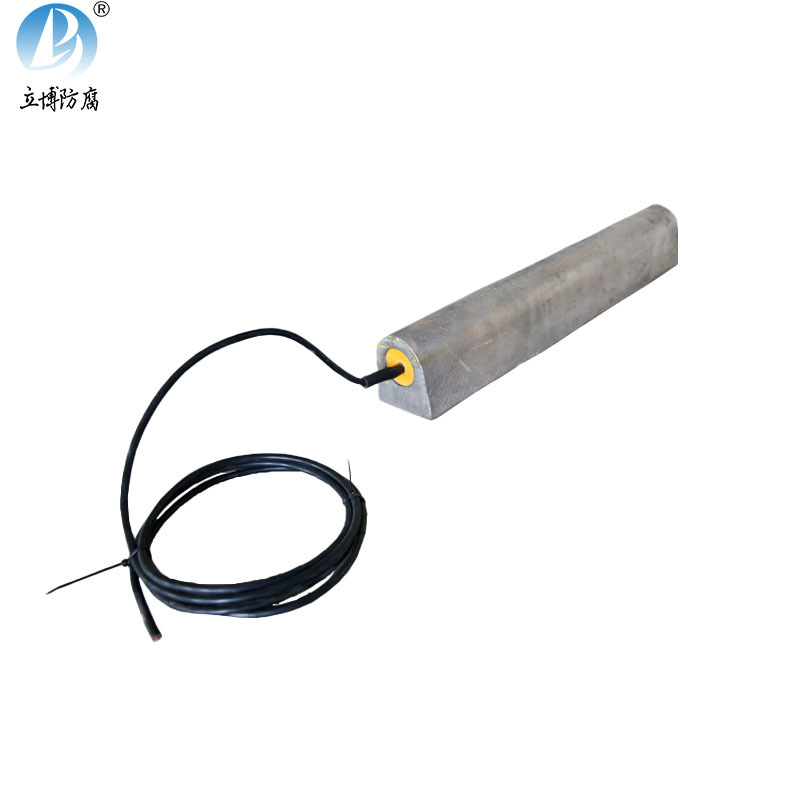
High potential magnesium anodes are composed of high-purity magnesium alloyed with other elements to enhance their effectiveness. They work on the principle of cathodic protection, where the anode corrodes instead of the protected metal, thereby extending the lifespan of structures such as pipelines, tanks, and marine installations.
The Science Behind Corrosion and Protective Anodes
Corrosion is a natural process that occurs when metals react with environmental elements like moisture and oxygen. In construction, this can lead to significant structural damage. High potential magnesium anodes delay this process by sacrificing themselves and protecting the underlying metal. This sacrificial action is critical in environments prone to aggressive corrosion, such as coastal areas or industrial settings.
Benefits of High Potential Magnesium Anodes in Construction
Integrating high potential magnesium anodes into construction projects comes with numerous benefits that can significantly influence project outcomes.
Enhanced Corrosion Protection
One of the primary advantages is enhanced corrosion protection. High potential magnesium anodes provide superior protection compared to other types of anodes, such as zinc or aluminum. They are particularly effective in saline and acidic environments.
Cost-Effectiveness Over Time
While the initial investment in high potential magnesium anodes may be higher, the long-term savings are substantial. With reduced maintenance and extended service life of structures, the overall cost-effectiveness becomes apparent.
Environmentally Friendly Solution
Magnesium is a naturally abundant metal, making these anodes an environmentally friendly choice. Unlike some chemical treatments that may release harmful substances, high potential magnesium anodes provide a safe and sustainable solution for corrosion protection.
Applications of High Potential Magnesium Anodes
These versatile anodes can be integrated into various construction applications, enhancing the durability and effectiveness of numerous projects.
Marine Structures
High potential magnesium anodes are extensively used in marine environments, where they protect docks, piers, and vessels from the corrosive effects of saltwater.
Underground Pipelines
In underground installations, these anodes safeguard pipelines from soil corrosion, which can be detrimental to the integrity of water, oil, and gas transport systems.
Storage Tanks
Storage tanks for chemicals and fuels benefit significantly from the integration of high potential magnesium anodes. They prevent corrosion that can lead to leaks or failures, ensuring safety and compliance with regulations.
Installation Process of High Potential Magnesium Anodes
Successfully integrating high potential magnesium anodes into your construction projects requires careful planning and execution.
Preparing the Site
Before installation, it’s crucial to conduct a thorough assessment of the site. This includes evaluating soil conditions, moisture levels, and potential corrosive elements. Understanding these factors will guide the placement and quantity of anodes needed.
Choosing the Right Anode Size and Placement
Selecting the appropriate size and placement for high potential magnesium anodes is essential for optimal performance. Larger anodes may be needed for more significant structures, while placement should maximize exposure to corrosive elements.
Installation Techniques
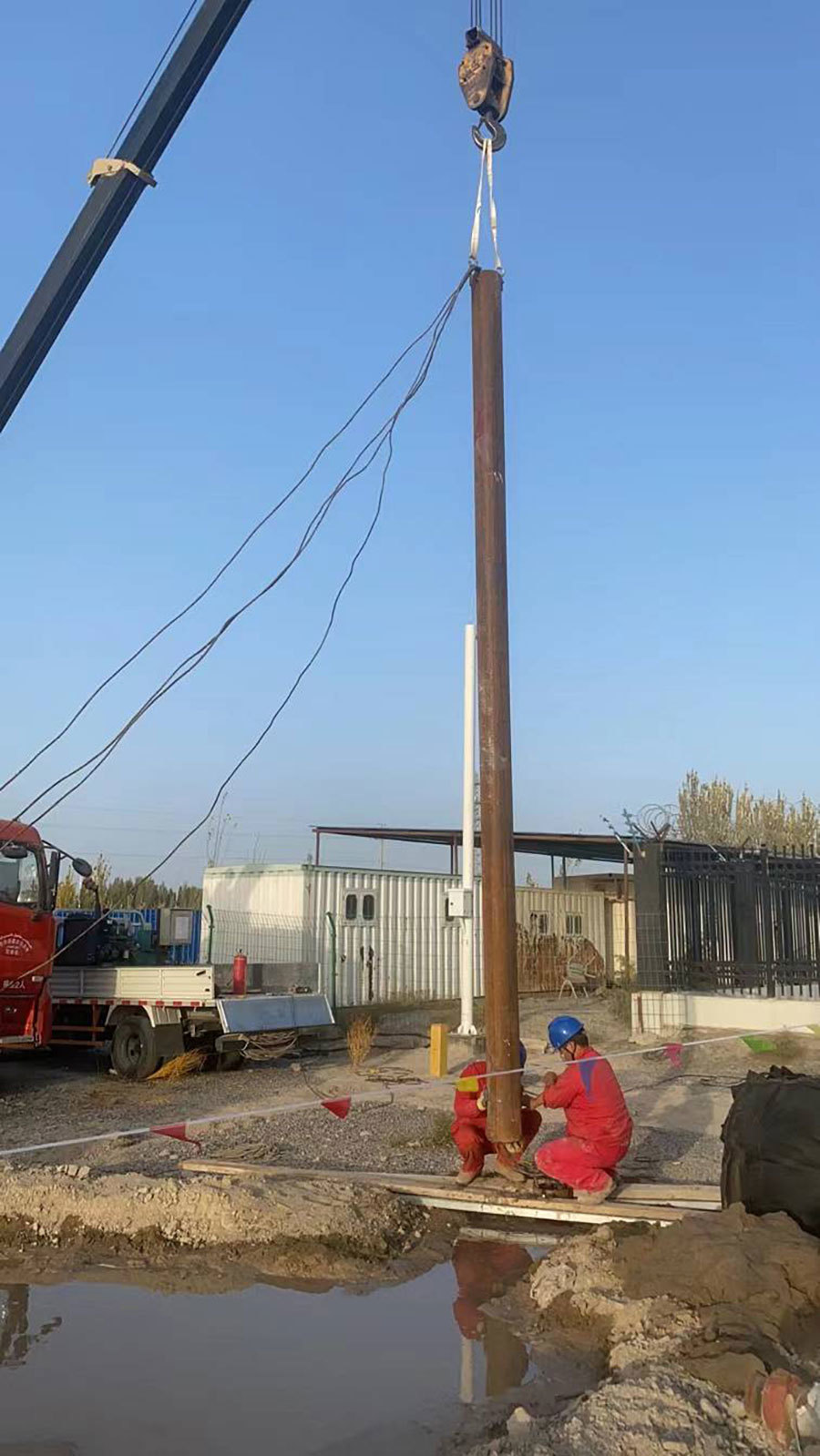
Installation techniques can vary based on the application type. For marine structures, anodes may be bolted or welded directly to the structure. For underground pipelines, they can be placed in trenches or directly into the soil, ensuring direct contact with the metal surface.
Maintenance and Monitoring of High Potential Magnesium Anodes
To ensure the effectiveness of high potential magnesium anodes, regular maintenance and monitoring are necessary.
Regular Inspections
Periodic inspections help assess the condition of the anodes and the protected structures. Look for signs of degradation or reduced effectiveness and replace anodes as needed.
Monitoring Corrosion Rates
Using advanced monitoring systems, construction professionals can track corrosion rates and adjust protection strategies accordingly. This proactive approach can significantly enhance the overall lifespan of structures.
Common Challenges in Integrating High Potential Magnesium Anodes
While the benefits are substantial, there are challenges that construction professionals may face when integrating high potential magnesium anodes.
Environmental Factors
Different environmental conditions can influence the performance of magnesium anodes. For instance, variations in soil composition or water salinity might require adjustments to the installation strategy.
Compatibility with Other Materials
High potential magnesium anodes may not be compatible with all materials. It’s essential to evaluate the surrounding materials to avoid galvanic corrosion that can occur when dissimilar metals are used together.
Conclusion
Integrating high potential magnesium anodes into construction projects is a strategic decision that can lead to significant improvements in corrosion protection, cost savings, and environmental friendliness. By understanding the science behind these anodes, their benefits, applications, installation processes, and maintenance requirements, construction professionals can make informed choices that enhance the durability and safety of their projects. As we move towards more sustainable construction practices, high potential magnesium anodes stand out as a reliable solution for modern construction challenges.
FAQs
What are the primary benefits of using high potential magnesium anodes in construction?
High potential magnesium anodes offer enhanced corrosion protection, long-term cost savings, and an environmentally friendly solution.
In which environments are high potential magnesium anodes most effective?
They are particularly effective in marine environments, underground pipelines, and areas with high moisture content.
How do I determine the right size and placement for magnesium anodes?
Conducting a site assessment and considering the corrosion potential of the environment will guide you in choosing the right size and placement.
What maintenance is required for high potential magnesium anodes?
Regular inspections and monitoring of corrosion rates are essential for maintaining the effectiveness of the anodes.
Can high potential magnesium anodes be used with other materials?
While they are versatile, compatibility with other materials should be assessed to prevent galvanic corrosion.
How often should magnesium anodes be replaced?
Replacement frequency depends on the corrosion rate and environmental conditions, but regular inspections will help determine the need for replacement.
Key words:
Learn more about industry dynamics
The company's main products: magnesium alloy sacrificial anode series, aluminum alloy sacrificial anode series, zinc alloy sacrificial anode series, and cathodic protection supporting products, such as more than a dozen varieties and hundreds of specifications.


Focus on the development and production of cathodic protection materials

online message
We will contact you within one working day. Please pay attention to your phone or email.