


Understanding Bracelet-Type Zinc Anodes: Essential Insights for Professionals in Corrosion Protection
Release time:
2025-05-04
In the architecture and construction sector, protecting materials from corrosion is an ongoing challenge, especially in environments where moisture and electrolytic activity are prevalent. One effective solution employed by professionals is the use of bracelet-type zinc anodes. These sacrificial anodes play a crucial role in cathodic protection systems, which are designed to combat corrosion on va
In the architecture and construction sector, protecting materials from corrosion is an ongoing challenge, especially in environments where moisture and electrolytic activity are prevalent. One effective solution employed by professionals is the use of bracelet-type zinc anodes. These sacrificial anodes play a crucial role in cathodic protection systems, which are designed to combat corrosion on various metal structures, including pipelines, tanks, and reinforcement bars in concrete.
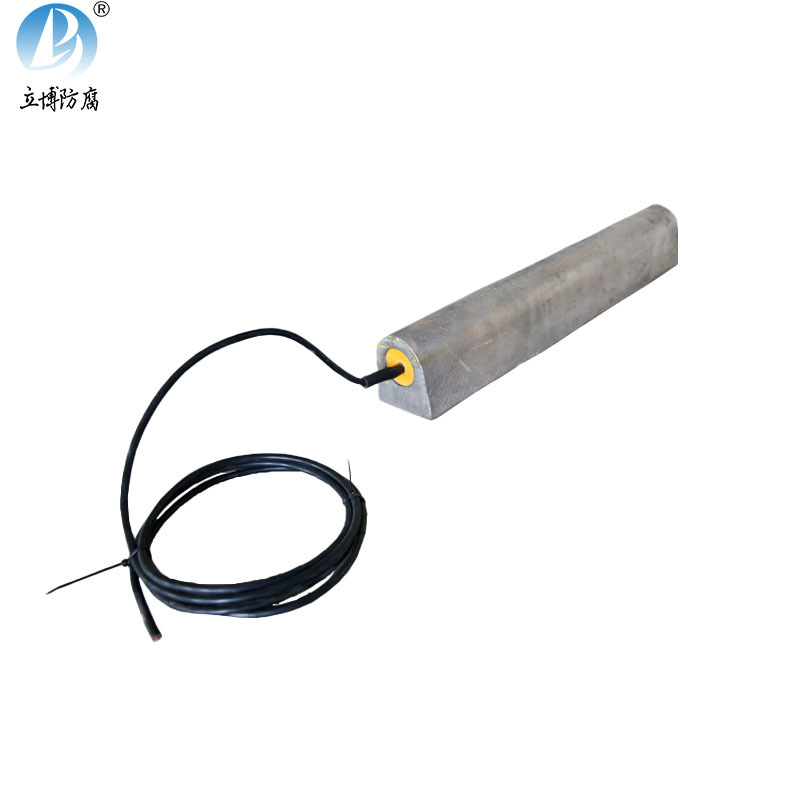
A bracelet-type zinc anode is specifically designed to be attached to a structure, where it acts as a sacrificial metal. Zinc is less noble than most metals, which means it will corrode preferentially when placed in an electrolyte environment. This property allows the zinc anode to protect the underlying metal by sacrificing itself through the oxidation process, thereby preventing the metal structure from deteriorating over time.
The installation of bracelet-type zinc anodes is particularly beneficial in harsh environments, such as coastal areas where saltwater exposure accelerates corrosion. Their design allows for easy attachment and removal, making maintenance straightforward and ensuring that professionals can quickly replace anodes as they wear out. This capability is vital for maintaining the integrity of structures, as regular monitoring and replacement can significantly extend the service life of the materials involved.
Furthermore, the application of bracelet-type zinc anodes is not limited to just one type of structure. They are versatile and can be utilized in a variety of settings, including marine applications, underground pipelines, and even in some decorative installations where metal components are exposed to the elements. Understanding the specific requirements for deploying these anodes, such as the correct size and placement, is essential to maximize their efficacy.
From a sustainability perspective, using bracelet-type zinc anodes contributes to reducing the overall environmental impact of corrosion. By prolonging the lifespan of metal structures and minimizing the need for repairs or replacements, these anodes help to conserve resources and lower the carbon footprint associated with new material production.
In conclusion, bracelet-type zinc anodes are an invaluable resource in the construction and decorative materials industry, contributing significantly to corrosion protection. Their ability to safeguard metal structures from the damaging effects of corrosion makes them an essential addition to any professional's toolkit. By understanding the working principles and applications of these anodes, industry professionals can effectively enhance the longevity and durability of their projects.
Key words:
Learn more about industry dynamics
The company's main products: magnesium alloy sacrificial anode series, aluminum alloy sacrificial anode series, zinc alloy sacrificial anode series, and cathodic protection supporting products, such as more than a dozen varieties and hundreds of specifications.


Focus on the development and production of cathodic protection materials

online message
We will contact you within one working day. Please pay attention to your phone or email.