


Understanding Deep Well Anodes: Essential Insights for Corrosion Protection in Construction
Release time:
2025-11-29
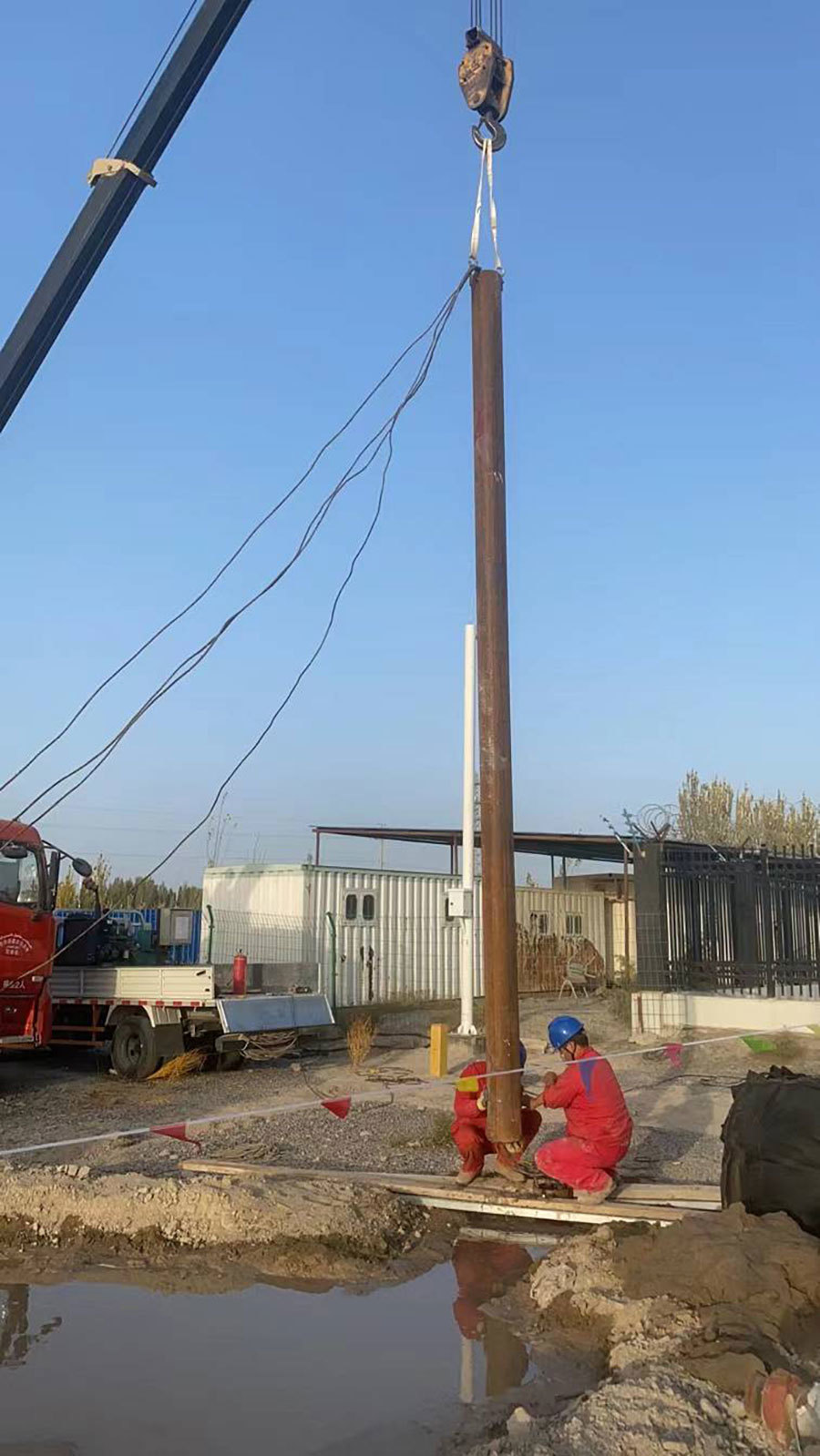
Deep well anodes are critical components in the field of corrosion protection, particularly in construction and decorative materials. They serve as a vital line of defense against corrosion for various structures, including pipelines, tanks, and concrete foundations. Understanding the functionality and advantages of deep well anodes can help professionals in the industry make informed decisions wh
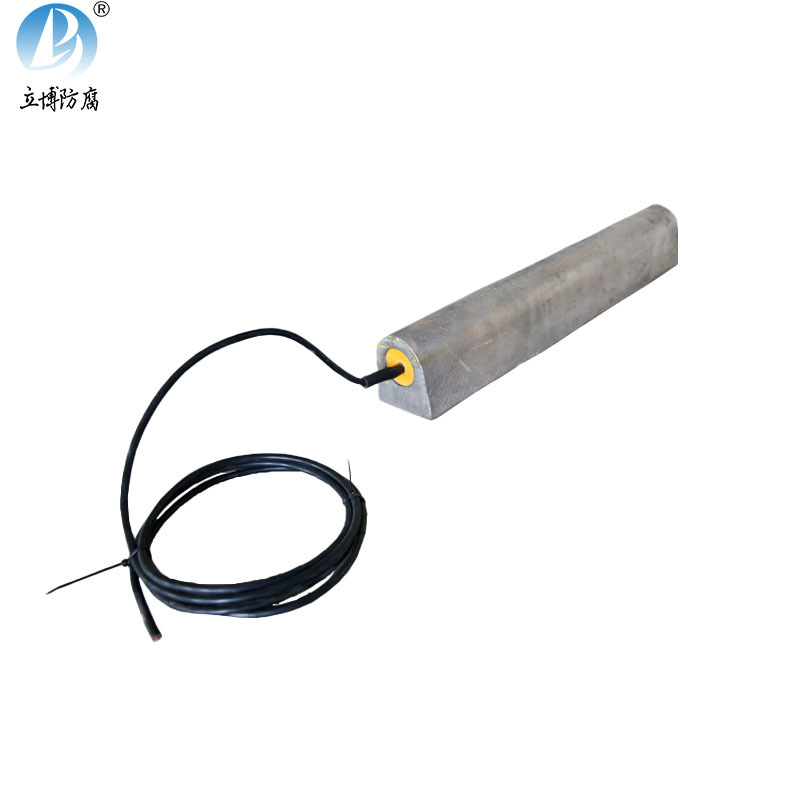
A deep well anode functions by providing a sacrificial means of protection; the anode itself corrodes instead of the metal structure it is designed to protect. This is based on the principles of electrochemistry, where the anode is made from a more reactive material than the metal structure. Typically composed of materials such as zinc, magnesium, or aluminum, deep well anodes are installed in underground environments where traditional cathodic protection systems may not be feasible.
One of the primary benefits of using deep well anodes is their effectiveness in preventing corrosion in environments with high moisture or soil conductivity. Because they are buried deep in the ground, these anodes can provide long-lasting protection and maintain the integrity of buried structures. Additionally, deep well anodes are often more cost-effective over time than other corrosion protection methods, as they require minimal maintenance and have a long service life.
However, it’s essential for professionals to consider the specific environmental conditions when selecting deep well anodes. Factors such as soil composition, moisture levels, and the presence of electrolytes can significantly influence the performance of the anode. Conducting a thorough site assessment prior to installation can aid in choosing the right type and size of the anode, ensuring optimal effectiveness.
Moreover, deep well anodes can be integrated into a comprehensive corrosion management strategy. This may include regular monitoring and inspection to assess the condition of the anodes and the structures they protect. Utilizing advanced technologies, such as remote monitoring systems, allows for real-time data collection and analysis, enabling timely interventions when necessary.
In conclusion, deep well anodes are an essential element of corrosion protection in the construction and decorative materials industry. Their ability to provide effective, long-term protection in challenging environments makes them a preferred choice for many professionals. By understanding their functionality, benefits, and installation considerations, industry stakeholders can better safeguard their projects from the detrimental effects of corrosion, ultimately enhancing the longevity and durability of their structures.
Key words:
Learn more about industry dynamics
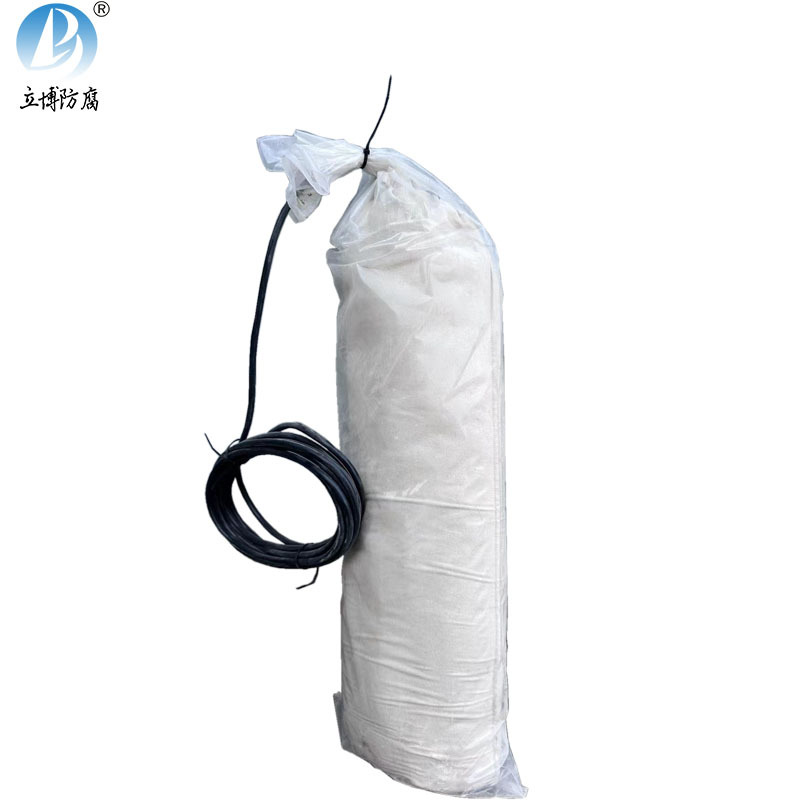
The company's main products: magnesium alloy sacrificial anode series, aluminum alloy sacrificial anode series, zinc alloy sacrificial anode series, and cathodic protection supporting products, such as more than a dozen varieties and hundreds of specifications.


Focus on the development and production of cathodic protection materials

online message
We will contact you within one working day. Please pay attention to your phone or email.