


The Future of Protective Materials: High Potential Magnesium Anodes Explained
Release time:
2026-06-28
The Future of Protective Materials: High Potential Magnesium Anodes Explained Table of Contents Introduction to Protective Materials What Are High Potential Magnesium Anodes? Advantages of Using Magnesium Anodes for Corrosion Protection Applications of Magnesium Anodes in Various Industries How High Potential Magnesium Anodes Work The Future of High Potential Magnesium
The Future of Protective Materials: High Potential Magnesium Anodes Explained
Table of Contents
- Introduction to Protective Materials
- What Are High Potential Magnesium Anodes?
- Advantages of Using Magnesium Anodes for Corrosion Protection
- Applications of Magnesium Anodes in Various Industries
- How High Potential Magnesium Anodes Work
- The Future of High Potential Magnesium Anodes
- Challenges in Implementing Magnesium Anodes and Potential Solutions
- Conclusion
- FAQs About High Potential Magnesium Anodes
Introduction to Protective Materials
Protective materials play a crucial role in safeguarding structures and equipment from damage caused by environmental factors, particularly corrosion. As industries evolve and the demand for sustainable solutions increases, high potential magnesium anodes have emerged as a leading option in the protective materials sphere. This article aims to provide an in-depth understanding of high potential magnesium anodes, their benefits, applications, and future directions.
What Are High Potential Magnesium Anodes?
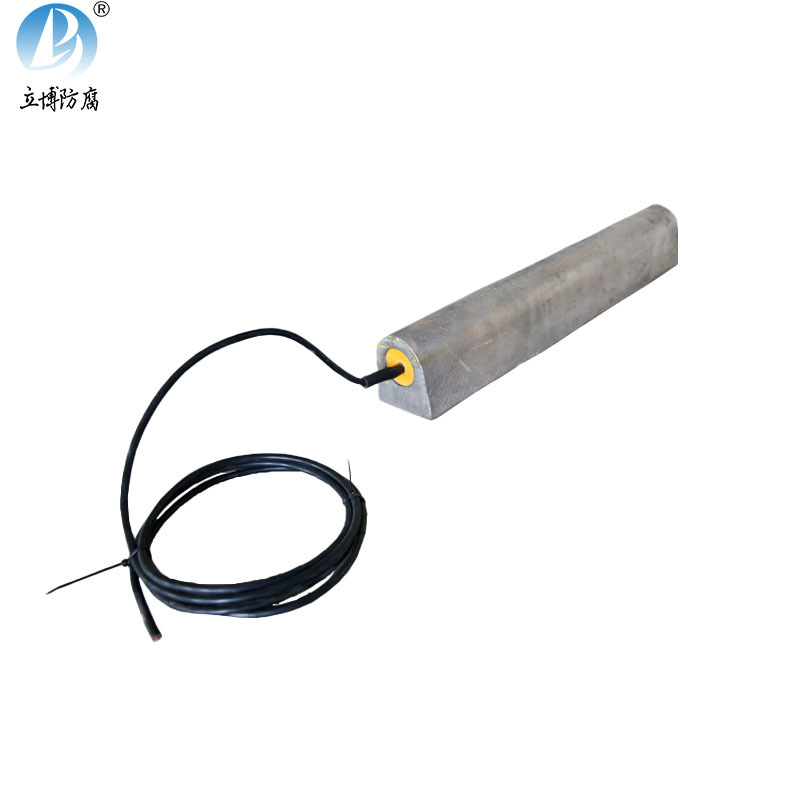
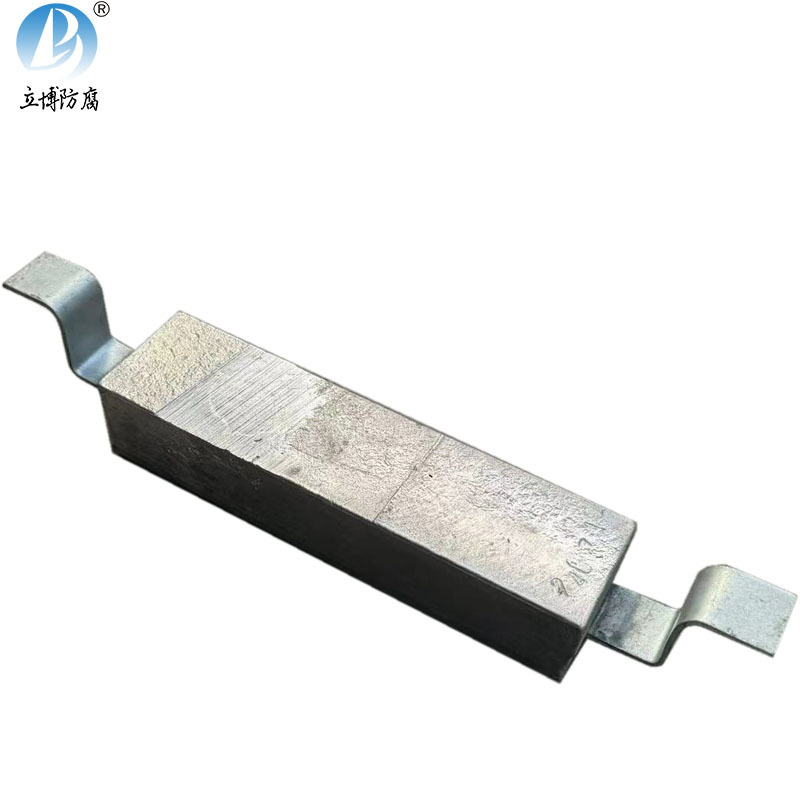
High potential magnesium anodes are electrochemical devices used to prevent corrosion in various metallic structures by employing the principles of cathodic protection. These anodes are made from magnesium alloys, which possess a higher electrochemical potential compared to the metals they protect. When installed, they corrode preferentially, thereby protecting the underlying metal from deterioration.
The Composition of Magnesium Anodes
High potential magnesium anodes are typically composed of magnesium combined with other alloying elements. These additions enhance the anode’s corrosion resistance and mechanical properties, making them suitable for a range of applications.
How Are They Manufactured?
The manufacturing process of high potential magnesium anodes involves careful alloying and casting techniques, which ensure uniform distribution of properties across the anode. This precision in manufacturing is critical for their performance and efficacy in preventing corrosion.
Advantages of Using Magnesium Anodes for Corrosion Protection
High potential magnesium anodes offer a variety of advantages that make them an attractive choice for corrosion protection:
1. Superior Corrosion Protection
Magnesium anodes provide excellent protection for steel and other metals, significantly extending their lifespan. The high electrochemical potential ensures that the anode corrodes rather than the protected metal.
2. Lightweight and Cost-Effective
Compared to other anodes, magnesium anodes are lighter and often more cost-effective. Their affordability, combined with their effectiveness, makes them a preferred choice for many industries.
3. Environmentally Friendly
Magnesium is abundant and environmentally friendly, making these anodes a sustainable option. Their use can contribute to green practices in construction and manufacturing processes.
4. Versatile Applications
The versatility of magnesium anodes allows their application across various industries, from marine to oil and gas, showcasing their broad utility.
Applications of Magnesium Anodes in Various Industries
High potential magnesium anodes have a wide range of applications across many sectors:
1. Marine Applications
In the marine industry, magnesium anodes are widely used for the protection of ships, docks, and underwater pipelines. They prevent corrosion caused by seawater, which is a significant issue for metal structures submerged in saltwater.
2. Oil and Gas Industry
Magnesium anodes are utilized to protect pipelines and storage tanks in the oil and gas sector. Corrosion can lead to leaks and other hazards, making efficient protective measures crucial.
3. Infrastructure Protection
Cities and municipalities use magnesium anodes to protect bridges, pipes, and other infrastructures vulnerable to corrosion due to environmental exposure and moisture.
4. Automotive Industry
In automotive manufacturing, magnesium anodes can be incorporated into vehicles to prevent corrosion of metal components, thereby enhancing durability and safety.
5. Power Generation
Power plants use magnesium anodes to protect cooling water systems and other metal structure components against corrosion, ensuring efficiency and longevity.
How High Potential Magnesium Anodes Work
The working principle of high potential magnesium anodes is based on electrochemical reactions. When immersed in an electrolyte, such as water, the magnesium anode undergoes oxidation, releasing electrons. These electrons flow to the cathodic areas of the metal structure, which are the sites at risk of corrosion. The flow of electrons effectively neutralizes the corrosive effects, thereby protecting the metal from deterioration.
The Role of Electrolytes
The effectiveness of magnesium anodes is significantly influenced by the type of electrolyte they are immersed in. Freshwater, seawater, and soil can all serve as environments in which these anodes operate. Each environment presents unique challenges and requires consideration for optimal performance.
The Future of High Potential Magnesium Anodes
The future of high potential magnesium anodes is promising, driven by technological advancements and the growing need for effective corrosion solutions.
1. Innovations in Alloy Development
Research is ongoing to develop new magnesium alloys that enhance performance and lifespan. These innovations are expected to further improve the efficacy of magnesium anodes in combating corrosion.
2. Integration with Smart Technologies
The integration of smart technologies and sensors with magnesium anodes is on the horizon. This fusion will enable real-time monitoring of corrosion levels and the condition of protective materials, leading to more efficient maintenance practices.
3. Sustainability and Regulatory Compliance
As sustainability becomes a focal point for industries worldwide, magnesium anodes align perfectly with eco-friendly practices. Their biodegradable nature and reduced environmental impact will make them increasingly popular as regulatory pressures mount.
Challenges in Implementing Magnesium Anodes and Potential Solutions
Despite their advantages, high potential magnesium anodes face various challenges:
1. Environmental Factors
Variations in environmental conditions, such as temperature and salinity, can influence the performance of magnesium anodes. Solutions may include tailored anodes designed for specific environments.
2. Cost Considerations
Initial costs can be a barrier for some industries. However, the long-term savings in maintenance and replacement costs typically outweigh initial investments.
3. Knowledge Gaps
A lack of awareness regarding the benefits and applications of magnesium anodes can hinder their adoption. Educational initiatives and industry partnerships can help bridge this knowledge gap.
Conclusion
High potential magnesium anodes represent a significant advancement in the field of protective materials, providing reliable corrosion protection across a multitude of industries. Their lightweight, cost-effective, and environmentally friendly characteristics make them an appealing choice for the future. As technology progresses, we can expect to see continued innovation in this field, leading to even more efficient and effective corrosion prevention strategies. The blend of sustainability and performance positions high potential magnesium anodes as a cornerstone in modern protective material applications.
FAQs About High Potential Magnesium Anodes
1. What is the main function of high potential magnesium anodes?
High potential magnesium anodes are primarily used for corrosion protection in various metal structures by acting as sacrificial anodes in cathodic protection systems.
2. How long do magnesium anodes typically last?
The lifespan of magnesium anodes can vary depending on environmental conditions, but they generally last several months to a few years before needing replacement.
3. Can magnesium anodes be used in freshwater?
Yes, magnesium anodes are effective in both freshwater and seawater environments, though their performance may vary based on specific conditions.
4. Are there any safety concerns associated with magnesium anodes?
While magnesium anodes are safe to use, proper handling and installation are essential to avoid potential hazards, such as chemical reactions in certain environments.
5. How do I choose the right magnesium anode for my application?
Selecting the appropriate magnesium anode involves considering factors such as the specific environment, the type of metal being protected, and the anticipated exposure conditions. Consulting with experts in the field can also provide valuable guidance.
Key words:
Learn more about industry dynamics
The company's main products: magnesium alloy sacrificial anode series, aluminum alloy sacrificial anode series, zinc alloy sacrificial anode series, and cathodic protection supporting products, such as more than a dozen varieties and hundreds of specifications.



Focus on the development and production of cathodic protection materials

online message
We will contact you within one working day. Please pay attention to your phone or email.