


Choosing the Right Aluminum Anode for Your Project Needs: A Comprehensive Guide
Release time:
2026-06-18
Choosing the Right Aluminum Anode for Your Project Needs Introduction to Aluminum Anodes Aluminum anodes play a vital role in protecting various structures from corrosion, particularly in marine and industrial applications. These anodes serve as sacrificial materials, meaning they corrode instead of the structure they are protecting, ensuring longevity and reliability. Whether you’re working o
Choosing the Right Aluminum Anode for Your Project Needs
Introduction to Aluminum Anodes
Aluminum anodes play a vital role in protecting various structures from corrosion, particularly in marine and industrial applications. These anodes serve as sacrificial materials, meaning they corrode instead of the structure they are protecting, ensuring longevity and reliability. Whether you’re working on a boat, pipeline, or other installations, understanding how to choose the right aluminum anode can significantly impact the success of your project.
Understanding Corrosion and the Importance of Anodes
Corrosion is a natural process that affects metals and can lead to severe damage if left unchecked. It occurs when metal is exposed to moisture and oxygen, resulting in oxidation. Anodes, particularly aluminum anodes, are designed to counteract this process by sacrificing themselves to protect more valuable metals. By understanding the basics of corrosion and the role of aluminum anodes, you can better appreciate their importance in your project.
The Mechanism of Cathodic Protection
Cathodic protection is the method by which anodes prevent corrosion. When aluminum anodes are connected to a metal structure, they create a galvanic cell. In this cell, the aluminum anode corrodes instead of the protected metal, effectively slowing down or stopping the corrosion process. This mechanism is crucial for extending the lifespan of various structures.
Types of Aluminum Anodes
Choosing the right aluminum anode depends on several factors, including the specific application, environment, and materials involved. Here are the main types of aluminum anodes:
1. Sacrificial Aluminum Anodes
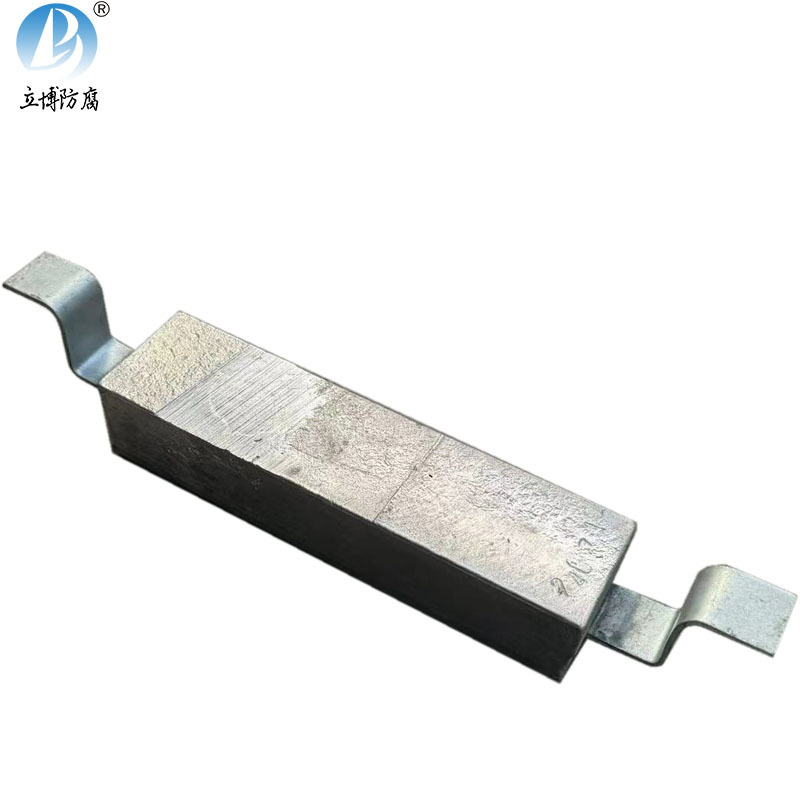
These anodes are designed to corrode preferentially. They are commonly used in marine applications, such as ships and offshore structures. Sacrificial aluminum anodes are often an economical and effective choice for environments prone to corrosion.
2. Impressed Current Aluminum Anodes
Unlike sacrificial anodes, impressed current aluminum anodes utilize an external power source to provide a constant flow of current. This type is typically used for larger installations, such as pipelines and storage tanks, where superior protection from corrosion is necessary.
3. Extruded Aluminum Anodes
Extruded aluminum anodes are manufactured through an extrusion process, allowing for a variety of shapes and sizes. They are often used in applications where high surface area is required for optimal cathodic protection.
4. Cast Aluminum Anodes
Cast aluminum anodes are made by pouring molten aluminum into a mold. This method provides flexibility in design and is suitable for complex shapes. These anodes are often used in marine environments due to their durability.
Factors to Consider When Choosing Aluminum Anodes
Selecting the right aluminum anode involves several critical considerations. Here are the most important factors to keep in mind:
1. Environment
The environment in which the aluminum anode will be used significantly affects its performance. Consider factors such as salinity, pH levels, and temperature. For marine environments, a higher salinity level may require specific types of aluminum anodes for optimal protection.
2. Application
Different applications will require different types of anodes. For instance, a boat will have unique requirements compared to a pipeline. Identifying the specific application will guide you in selecting the most effective aluminum anode.
3. Alloy Composition
The alloy composition of aluminum anodes determines their effectiveness in different environments. Common alloys include 99% aluminum, which is highly effective in seawater, and specific alloys that provide enhanced performance in freshwater or industrial applications.
4. Size and Shape
The size and shape of the aluminum anode can impact its ability to protect the structure adequately. Larger surface areas typically provide better cathodic protection, while the shape can affect how well the anode is integrated into the existing system.
5. Installation and Maintenance
Proper installation and maintenance of aluminum anodes are crucial for their effectiveness. Ensure that the anodes are installed according to manufacturer specifications and regularly checked for wear and corrosion.
Installation Tips for Aluminum Anodes
Proper installation is vital for the long-term success of aluminum anodes. Here are some essential tips:
1. Clean Installation Surface
Before installing the anode, clean the surface thoroughly to ensure a good connection. Remove any dirt, paint, or corrosion that could inhibit conductivity.
2. Ensure Proper Contact
Make sure the anode has direct contact with the metal structure it is protecting. Any gaps can reduce the effectiveness of the cathodic protection.
3. Secure Fastening
Use appropriate fasteners to secure the anode in place. Ensure that they are also made of compatible materials to prevent galvanic corrosion.
4. Position Correctly
Position the anode in a location where it can provide maximum protection. This may involve strategic placement based on the flow of water or other corrosive elements.
Common Applications of Aluminum Anodes
Aluminum anodes are used in various applications, each with its unique requirements. Here are some common uses:
1. Marine Vessels
Aluminum anodes are widely used in boats and ships to protect against seawater corrosion. Their lightweight nature makes them ideal for marine applications.
2. Offshore Structures
Platforms and structures in offshore environments utilize aluminum anodes for protection against harsh conditions, including saltwater and marine growth.
3. Pipelines
In buried or submerged pipelines, aluminum anodes provide essential protection from external corrosion, extending the lifespan of infrastructure.
4. Storage Tanks
Aluminum anodes are often installed in storage tanks to prevent corrosion, particularly in environments where moisture is prevalent.
Frequently Asked Questions (FAQs)
1. What is the lifespan of an aluminum anode?
The lifespan can vary significantly based on environmental conditions and application. Generally, an aluminum anode can last from one to five years.
2. Can I use aluminum anodes in freshwater?
Yes, aluminum anodes can be used in freshwater environments, but you should verify that the specific alloy is suitable for your conditions to maximize effectiveness.
3. How do I know when to replace my aluminum anode?
Regular inspections are crucial. If you notice significant wear or corrosion, it is time to replace the anode.
4. Are there alternatives to aluminum anodes?
Yes, alternatives include zinc and magnesium anodes. However, the choice depends on the specific application and environmental conditions.
5. What is the cost difference between various anode types?
Costs vary widely based on material, size, and application. Sacrificial anodes are generally more affordable, while impressed current anodes may involve higher initial costs due to the power supply requirements.
Conclusion
Choosing the right aluminum anode for your project is essential for ensuring long-term protection against corrosion. By understanding the various types of aluminum anodes, considering crucial factors such as the environment and application, and following best installation practices, you can make informed decisions that enhance the durability and effectiveness of your projects. Always remember to conduct regular inspections and maintenance to ensure the ongoing efficacy of your aluminum anodes, ultimately leading to safer and more reliable structures.
Key words:
Learn more about industry dynamics
The company's main products: magnesium alloy sacrificial anode series, aluminum alloy sacrificial anode series, zinc alloy sacrificial anode series, and cathodic protection supporting products, such as more than a dozen varieties and hundreds of specifications.



Focus on the development and production of cathodic protection materials

online message
We will contact you within one working day. Please pay attention to your phone or email.