


The Essential Role of Portable Reference Electrodes in Environmental Monitoring
Release time:
2026-06-13
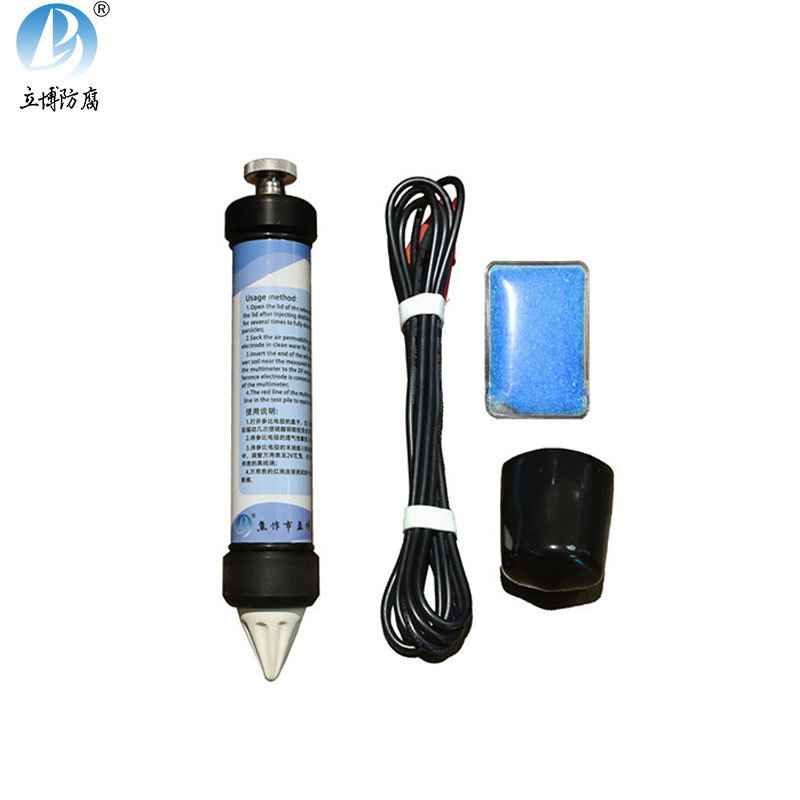
Portable reference electrodes play a pivotal role in environmental monitoring, particularly in applications concerning water quality assessment and soil analysis. These electrodes serve as a stable reference point for electrochemical measurements, which is crucial in ensuring the accuracy and reliability of data collected in various environmental conditions. One of the primary functions of a porta
One of the primary functions of a portable reference electrode is to maintain a constant potential during electrochemical processes. In environmental testing, where the composition of the sample can vary significantly, having a reliable reference enables accurate assessments of parameters such as pH, conductivity, and dissolved ion concentrations. This is particularly important when monitoring pollutants or conducting research on environmental changes, as even slight deviations in measurements can lead to misleading conclusions.
Portable reference electrodes are designed for versatility and ease of use, allowing professionals to conduct field measurements without the need for extensive laboratory setups. Their compact and durable nature makes them ideal for outdoor applications, where environmental conditions can be unpredictable. Additionally, many modern portable reference electrodes are designed with user-friendly features, such as built-in temperature compensation, enhancing their effectiveness in diverse environments.
In environmental monitoring instruments, the integration of portable reference electrodes significantly enhances the performance of sensors. For instance, in water quality monitoring applications, combining a portable reference electrode with ion-selective probes can improve the accuracy of measurements related to specific ions, such as nitrates or phosphates. This capability is essential for environmental scientists and engineers who require precise data for compliance with regulatory standards or during remediation projects.
Moreover, the portability of these electrodes facilitates real-time monitoring, allowing professionals to gather immediate data in the field. This immediacy not only accelerates decision-making processes but also enables rapid responses to environmental issues, such as contamination events or ecological changes. Consequently, the usage of portable reference electrodes can contribute to more effective environmental management and protection strategies.
In conclusion, portable reference electrodes are indispensable tools in the field of environmental monitoring. Their ability to provide stable and accurate electrochemical measurements in various conditions empowers professionals to make informed decisions based on reliable data. As technology continues to advance, the design and functionality of these electrodes are likely to evolve, further enhancing their application in environmental science and instrumentation. Embracing these innovations can significantly improve monitoring efforts, ultimately supporting the preservation of our environment.
Key words:
Learn more about industry dynamics
The company's main products: magnesium alloy sacrificial anode series, aluminum alloy sacrificial anode series, zinc alloy sacrificial anode series, and cathodic protection supporting products, such as more than a dozen varieties and hundreds of specifications.



Focus on the development and production of cathodic protection materials

online message
We will contact you within one working day. Please pay attention to your phone or email.