


The Future of Corrosion Protection: Unveiling the Power of Aluminum Anodes
Release time:
2026-05-19
The Future of Corrosion Protection: Unveiling the Power of Aluminum Anodes Corrosion poses a significant challenge across various industries, particularly in construction and decorative materials. As we continue to innovate and seek sustainable solutions, aluminum anodes have emerged as a pivotal element in corrosion protection. This comprehensive analysis delves deep into the functionality, appli
The Future of Corrosion Protection: Unveiling the Power of Aluminum Anodes
Corrosion poses a significant challenge across various industries, particularly in construction and decorative materials. As we continue to innovate and seek sustainable solutions, aluminum anodes have emerged as a pivotal element in corrosion protection. This comprehensive analysis delves deep into the functionality, applications, and advantages of aluminum anodes, providing a clear understanding of their future in corrosion protection.
Table of Contents
1. Understanding Corrosion and Its Implications
2. The Science Behind Aluminum Anodes
3. Advantages of Using Aluminum Anodes
4. Applications of Aluminum Anodes in Various Industries
5. Comparing Aluminum Anodes with Other Corrosion Protection Methods
6. Installation and Maintenance of Aluminum Anodes
7. Future Trends in Corrosion Protection Technologies
8. Frequently Asked Questions (FAQs)
9. Conclusion
1. Understanding Corrosion and Its Implications
Corrosion is a natural process that deteriorates materials, often leading to significant structural damage and financial loss. It primarily results from environmental factors such as moisture, temperature fluctuations, and chemical exposure. Industries that rely heavily on metal components, including construction, marine, and automotive, face substantial risks from corrosion, necessitating effective protective measures.
The implications of corrosion extend beyond mere aesthetics; they can compromise safety, efficiency, and longevity. Thus, understanding corrosion and implementing protective strategies is crucial to safeguarding infrastructure and equipment.
2. The Science Behind Aluminum Anodes
Aluminum anodes function based on the principles of **cathodic protection**, a technique that mitigates corrosion by using an anode material with a more negative electrochemical potential than the metal being protected. When aluminum anodes are installed, they corrode preferentially, sacrificing themselves to protect the underlying metal surfaces.
This process is facilitated by the anodic reaction, where aluminum oxidizes, releasing electrons that flow to the cathode (the component being protected). The anodic reaction can be described by the following equation:
**2Al → 2Al³⁺ + 6e⁻**
This continuous flow of electrons helps prevent the corrosion of steel, copper, and other metals, making aluminum anodes an effective solution for corrosion protection.
3. Advantages of Using Aluminum Anodes
The use of aluminum anodes offers several compelling advantages:
3.1 Lightweight and Cost-Effective
Aluminum is lighter than traditional anode materials, making installation easier and reducing transportation costs. Additionally, aluminum anodes are generally more affordable, especially when considering their long-term effectiveness in preventing corrosion.
3.2 Environmentally Friendly
Aluminum is abundant and recyclable, aligning with modern sustainability goals. Using aluminum anodes promotes eco-friendly practices by reducing the need for harsh chemical treatments typically involved in corrosion prevention.
3.3 Enhanced Corrosion Resistance
Aluminum anodes provide superior protection against a variety of corrosive environments, including saltwater and industrial settings. Their ability to withstand harsh conditions makes them a reliable choice for various applications.
3.4 Long Lifespan
With proper installation and maintenance, aluminum anodes can offer a long lifespan, ensuring ongoing protection over extended periods. This durability translates into lower replacement frequencies and reduced downtime.
4. Applications of Aluminum Anodes in Various Industries
Aluminum anodes are versatile and find applications across multiple industries, including:
4.1 Marine Industry
In marine environments, aluminum anodes are essential for protecting boats, ships, and offshore structures from corrosion caused by seawater. Regularly replacing aluminum anodes on vessels helps maintain the integrity and safety of marine assets.
4.2 Construction and Infrastructure
As the construction industry increasingly focuses on sustainability, aluminum anodes are being used in bridges, pipelines, and structural components to enhance durability and minimize maintenance costs.
4.3 Automotive Sector
In automotive applications, aluminum anodes protect metal parts from corrosion due to road salt and environmental exposure. This protection not only extends the lifespan of vehicles but also improves their resale value.
4.4 Oil and Gas Industry
Aluminum anodes are crucial in safeguarding pipelines and storage tanks from corrosive elements present in oil and gas extraction processes. Their use is vital for maintaining safety and operational efficiency in this sector.
5. Comparing Aluminum Anodes with Other Corrosion Protection Methods
When considering corrosion protection methods, aluminum anodes stand out among other options, such as **galvanization, coatings, and sacrificial anodes made from zinc or magnesium**. Here’s how aluminum compares:
5.1 Galvanization
While galvanization involves coating steel with zinc to protect it from corrosion, aluminum anodes provide active protection by sacrificing themselves. This makes aluminum anodes more effective in certain high-risk environments.
5.2 Coatings
Coatings can offer a barrier against corrosion; however, they may be compromised over time due to wear or damage. Aluminum anodes continuously protect the underlying metal, ensuring ongoing protection even when coatings fail.
5.3 Zinc and Magnesium Anodes
Zinc and magnesium anodes are effective but may not provide the same level of protection in all environments. Aluminum anodes, particularly in saltwater applications, often outperform these alternatives.
6. Installation and Maintenance of Aluminum Anodes
Proper installation and maintenance of aluminum anodes are critical for their effectiveness. Here are key considerations:
6.1 Installation Guidelines
- Ensure that the anode is in direct contact with the metal surface to create an effective electrical connection.
- Choose the appropriate size and number of anodes based on the application's requirements.
- Regularly check for proper placement and make adjustments as necessary.
6.2 Maintenance Practices
- Inspect anodes periodically for signs of corrosion and replace them as needed.
- Monitor the environment for any changes that could impact the effectiveness of the anodes.
- Document maintenance activities to track performance and plan replacements effectively.
7. Future Trends in Corrosion Protection Technologies
The future of corrosion protection is poised for exciting advancements. Key trends include:
7.1 Smart Corrosion Monitoring
Emerging technologies such as sensors and IoT (Internet of Things) devices allow for real-time monitoring of corrosion levels. This data-driven approach enables proactive maintenance and better resource allocation.
7.2 Advanced Materials
Research into new alloys and composite materials is underway to enhance the performance of aluminum anodes further. These developments could lead to even longer-lasting and more effective corrosion protection solutions.
7.3 Sustainable Practices
As industries strive for more sustainable practices, the demand for eco-friendly corrosion protection methods will continue to grow. Aluminum anodes, with their recyclable nature, position themselves well within this trend.
8. Frequently Asked Questions (FAQs)
8.1 What are aluminum anodes used for?
Aluminum anodes are primarily used for cathodic protection to prevent corrosion in various applications such as marine vessels, pipelines, and automotive parts.
8.2 How do aluminum anodes work?
Aluminum anodes work by sacrificing themselves to protect the underlying metal through an electrochemical process known as cathodic protection.
8.3 How often should aluminum anodes be replaced?
The frequency of replacement depends on the environment and usage. Regular inspections are recommended to determine when anodes need replacement.
8.4 Are aluminum anodes environmentally friendly?
Yes, aluminum is recyclable and has a lower environmental impact compared to other materials, making aluminum anodes a sustainable choice.
8.5 Can aluminum anodes be used in fresh water?
While aluminum anodes are most effective in saltwater environments, they can also provide corrosion protection in fresh water applications, though performance may vary.
9. Conclusion
In conclusion, aluminum anodes represent a significant advancement in corrosion protection technology. Their lightweight nature, cost-effectiveness, and environmental benefits make them a preferred choice across various industries. As we move forward, continued innovation and research will enhance their effectiveness and adaptability in combating corrosion. Embracing aluminum anodes today ensures not only the longevity of structures and equipment but also contributes to a more sustainable future.
Key words:
Learn more about industry dynamics
The company's main products: magnesium alloy sacrificial anode series, aluminum alloy sacrificial anode series, zinc alloy sacrificial anode series, and cathodic protection supporting products, such as more than a dozen varieties and hundreds of specifications.

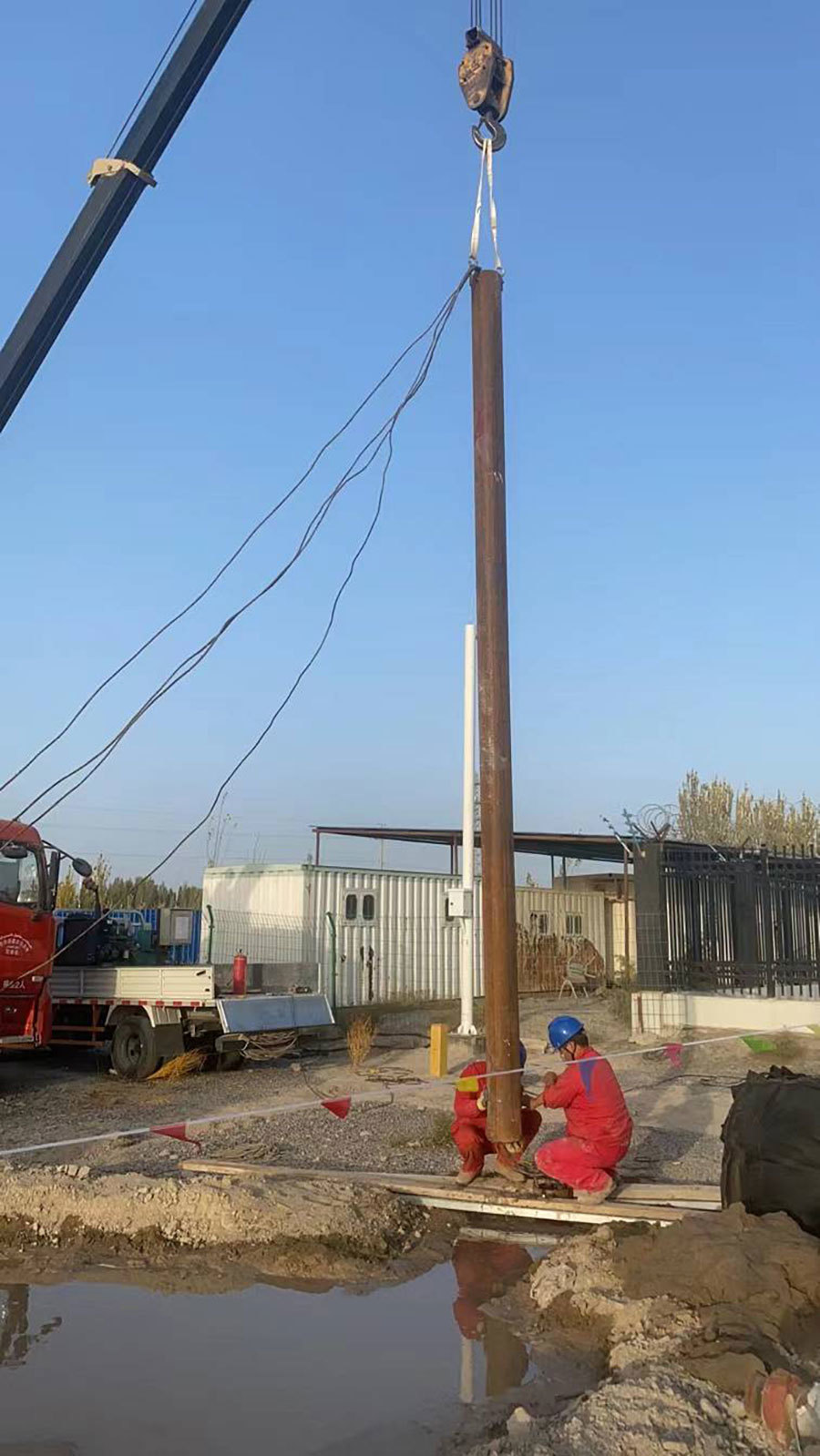
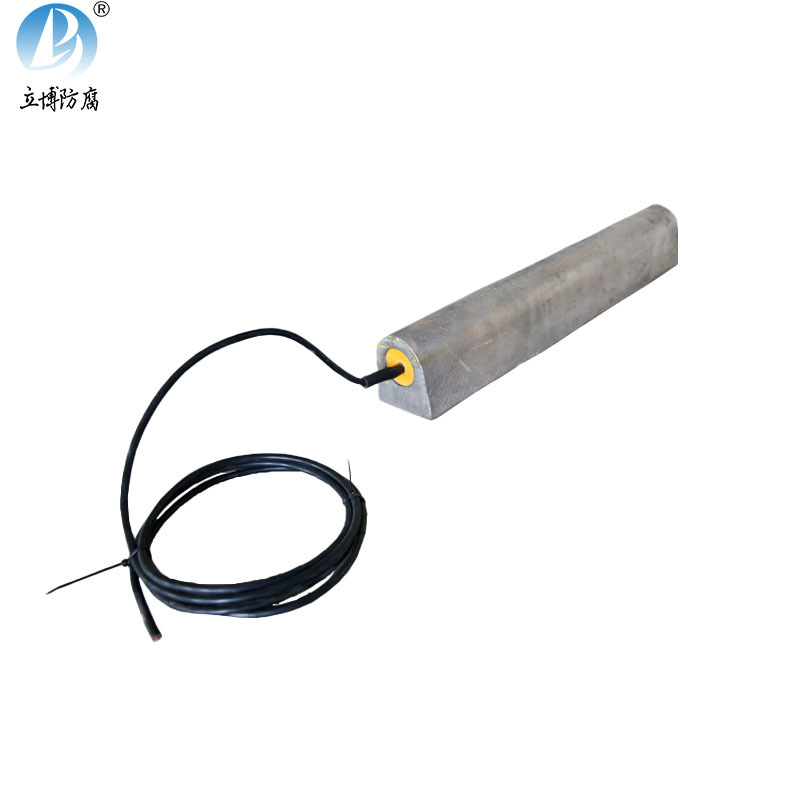
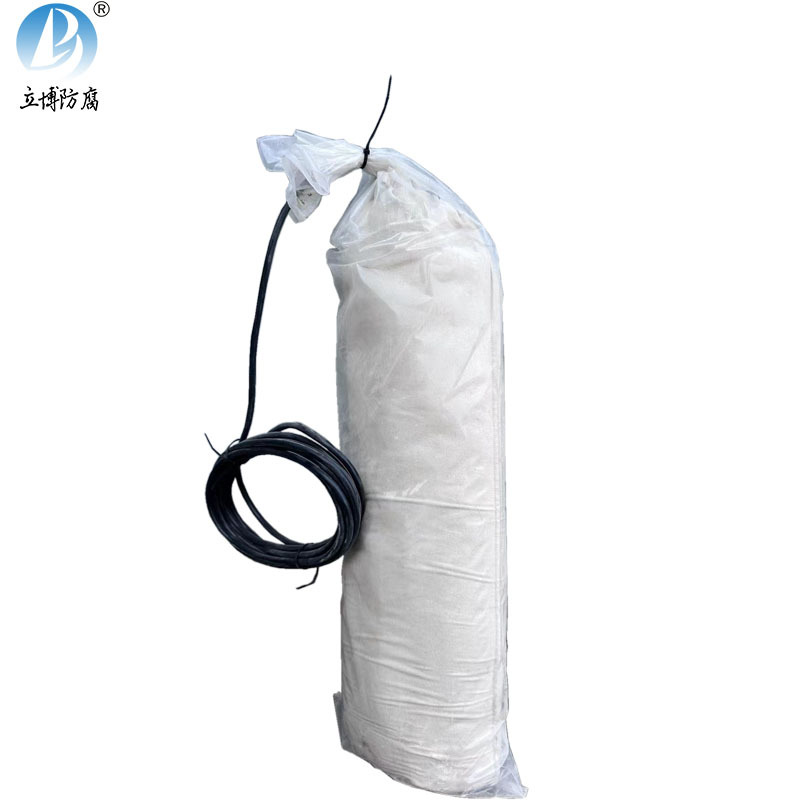

Focus on the development and production of cathodic protection materials

online message
We will contact you within one working day. Please pay attention to your phone or email.