


Understanding Portable Reference Electrodes: Crucial Tools for Environmental Monitoring
Release time:
2026-05-14
--- In the realm of environmental monitoring, accurate and reliable measurements are paramount. One essential component that plays a critical role in ensuring measurement precision is the Portable Reference Electrode. These devices are widely utilized in various applications, including water quality testing, soil analysis, and electrochemical measurements. A Portable Reference Electrode serves as
In the realm of environmental monitoring, accurate and reliable measurements are paramount. One essential component that plays a critical role in ensuring measurement precision is the Portable Reference Electrode. These devices are widely utilized in various applications, including water quality testing, soil analysis, and electrochemical measurements.
A Portable Reference Electrode serves as a stable reference point in electrochemical systems. It helps maintain consistent voltage levels, thereby allowing for more accurate readings when measuring the potential of a sample. In online monitoring systems, where real-time data acquisition is essential, the incorporation of a reliable reference electrode is crucial to minimize errors and enhance data quality.
One of the primary advantages of using Portable Reference Electrodes is their versatility. They are designed to be lightweight and easily transportable, making them suitable for field applications. Environmental scientists and engineers can conveniently carry these electrodes to various locations, allowing for in-situ measurements without compromising accuracy. This mobility is particularly beneficial for projects that require frequent site visits or when assessing remote locations.
Furthermore, Portable Reference Electrodes are often constructed with durable materials that can withstand harsh environmental conditions. Whether exposed to extreme temperatures, moisture, or contaminants, these electrodes are designed to maintain their integrity and functionality. This robustness is essential for ensuring the longevity of the equipment and the reliability of the data collected.
To optimize the use of Portable Reference Electrodes in environmental monitoring, it is important to adhere to best practices. Regular calibration is crucial to ensure that the electrode remains accurate over time. Users should also pay attention to the maintenance requirements, including cleaning and storage conditions, to prolong the lifespan of the electrode. Additionally, understanding the specific type of reference electrode that suits the application can significantly impact the results—different electrodes may perform better in various electrolytic environments.
In conclusion, Portable Reference Electrodes are indispensable tools in the field of environmental monitoring. Their ability to provide stable and reliable reference points makes them vital for accurate data collection. By understanding their functionality, advantages, and maintenance requirements, professionals in the field can significantly enhance the quality of their measurements, contributing to better environmental assessments and management practices.
Key words:
Learn more about industry dynamics
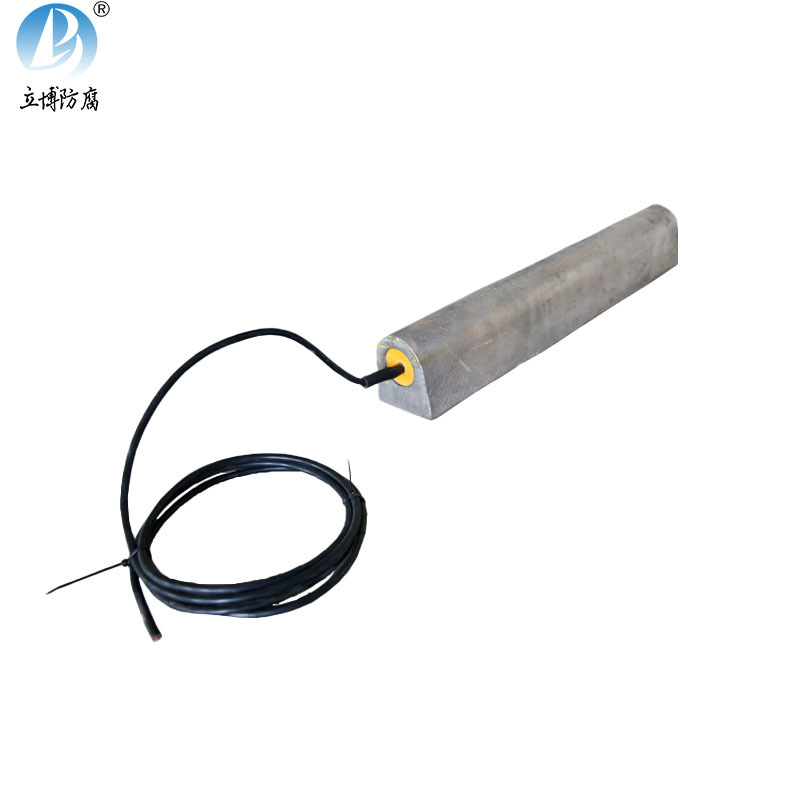
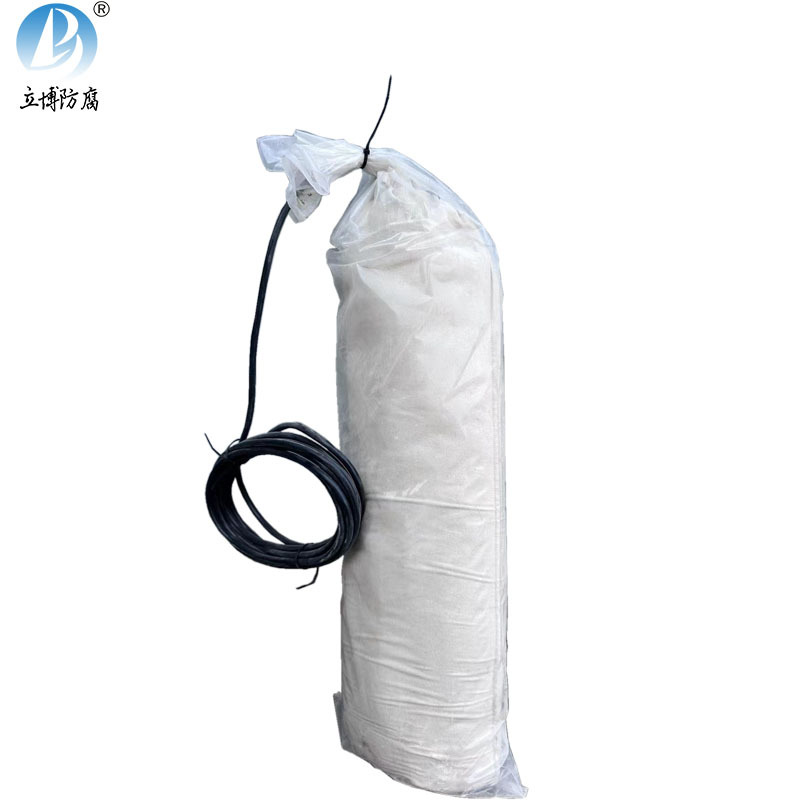
The company's main products: magnesium alloy sacrificial anode series, aluminum alloy sacrificial anode series, zinc alloy sacrificial anode series, and cathodic protection supporting products, such as more than a dozen varieties and hundreds of specifications.


Focus on the development and production of cathodic protection materials

online message
We will contact you within one working day. Please pay attention to your phone or email.