


How Aluminum Anodes Can Save Costs in Long-Term Maintenance
Release time:
2026-04-19
How Aluminum Anodes Can Save Costs in Long-Term Maintenance In the realm of construction and decorative materials, the longevity and durability of structures are paramount. One significant factor contributing to this longevity is the effective management of corrosion. This is where aluminum anodes come into play as a vital component in corrosion prevention strategies. This article delves into how
How Aluminum Anodes Can Save Costs in Long-Term Maintenance
In the realm of construction and decorative materials, the longevity and durability of structures are paramount. One significant factor contributing to this longevity is the effective management of corrosion. This is where aluminum anodes come into play as a vital component in corrosion prevention strategies. This article delves into how aluminum anodes can be a game-changer in reducing long-term maintenance costs, enhancing the lifespan of various structures, and ensuring the integrity of essential infrastructures.
The Importance of Corrosion Prevention in Maintenance Costs
Corrosion is a natural process that can severely affect metals and other materials used in construction and infrastructure. Left unchecked, it leads to extensive damage, requiring costly repairs or replacements. Understanding the implications of corrosion can significantly impact maintenance budgets and overall project economics.
What is Corrosion and Why is it Costly?
Corrosion occurs when metals react with their environment, leading to deterioration. It can be accelerated by factors such as humidity, temperature fluctuations, and exposure to various chemicals. The costs associated with corrosion include:
- Repair Costs: Frequent repairs can lead to increased labor and material expenses.
- Replacement Costs: In severe cases, components may need to be entirely replaced, which is far more expensive.
- Downtime: Corrosion-related issues can lead to operational downtime, affecting productivity and profits.
How Aluminum Anodes Work in Corrosion Prevention
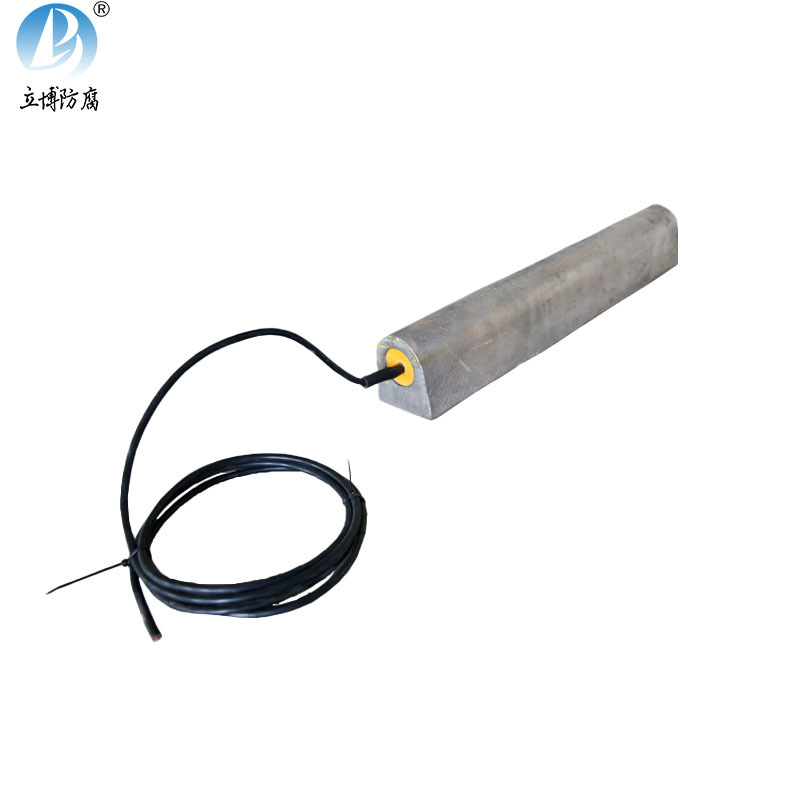
Aluminum anodes are a form of sacrificial anode used to combat corrosion in metal structures. They function on the principle of galvanic protection, where the aluminum anode sacrifices itself to protect a more valuable metal, such as steel or iron, from corroding. When attached to a structure, aluminum anodes corrode first, thereby extending the life of the primary structure.
Benefits of Using Aluminum Anodes
Implementing aluminum anodes as part of a corrosion management strategy can lead to numerous benefits. Below are some of the most significant advantages that contribute to cost savings in long-term maintenance.
1. Cost-Effectiveness
Aluminum anodes are relatively inexpensive compared to the costs associated with repairing or replacing corroded materials. Their low upfront cost is a critical factor in long-term maintenance savings.
Lower Repair and Replacement Costs
By effectively preventing corrosion, aluminum anodes help avoid the expenses tied to frequent repairs and replacements. This preventive approach can save organizations thousands of dollars over time.
2. Enhanced Lifespan of Structures
The use of aluminum anodes can significantly enhance the lifespan of structures. By mitigating the effects of corrosion, these anodes allow for a longer service life of critical infrastructure.
Increased Reliability and Safety
Extending the life of structures not only safeguards investments but also ensures the reliability and safety of facilities, which is essential for operational integrity.
3. Reduced Downtime
Corrosion-related repairs can lead to considerable downtime. By using aluminum anodes, organizations can minimize operational disruptions, leading to better productivity and higher revenue.
Continuous Operations
With reduced incidence of corrosion, businesses can maintain continuous operations without the interruptions that often arise from urgent repair needs.
4. Environmentally Friendly Option
Aluminum is a highly recyclable material. Utilizing aluminum anodes contributes to sustainable practices and eco-friendly solutions in construction and maintenance.
Compliance with Environmental Standards
Using aluminum anodes can help organizations meet environmental regulations, ensuring compliance while promoting a greener approach to construction and maintenance.
5. Versatility and Applicability
Aluminum anodes can be used across various applications, including marine environments, pipelines, and storage tanks. This versatility makes them a standard choice in many industries.
Adaptable Solutions
Whether in a saltwater marine environment or fresh water, aluminum anodes provide adaptable solutions that meet the specific needs of diverse applications.
Implementing Aluminum Anodes: Best Practices
To maximize the benefits of aluminum anodes, organizations must apply best practices during their implementation. Below are key guidelines to consider:
1. Assess the Environment
Understanding the specific environmental conditions where the aluminum anodes will be deployed is crucial. Factors such as salinity, temperature, and chemical exposure should be evaluated to ensure effective corrosion protection.
2. Choose the Right Anode Type
Different applications may require specific types of aluminum anodes. Selecting the appropriate anode based on the application ensures optimal performance and longevity.
3. Regular Inspections and Maintenance
Conducting regular inspections of aluminum anodes helps identify when they need replacement. Monitoring their condition can prevent unforeseen corrosion issues and enhance reliability.
Scheduled Maintenance Programs
Integrating aluminum anodes into scheduled maintenance programs can streamline operations and ensure proactive management of corrosion risks.
4. Training Personnel
Providing training to personnel involved in the installation and maintenance of aluminum anodes can enhance their effectiveness and ensure they are used correctly.
Knowledge Transfer
Sharing knowledge about the importance and functionality of aluminum anodes contributes to overall maintenance strategies and increases awareness of corrosion issues.
Case Studies: Success Stories with Aluminum Anodes
To illustrate the benefits of aluminum anodes in reducing long-term maintenance costs, let's explore some case studies demonstrating successful implementations.
Case Study 1: Marine Infrastructure
An offshore oil platform utilized aluminum anodes to protect its metal structures from the corrosive effects of seawater. By implementing a comprehensive anode system, they achieved a 60% reduction in corrosion-related maintenance costs over five years.
Case Study 2: Water Treatment Facilities
A municipal water treatment facility integrated aluminum anodes into their tank systems to prevent corrosion. This proactive approach saved the city over $250,000 in maintenance expenses annually.
Case Study 3: Pipeline Protection
A major gas pipeline project adopted aluminum anodes for corrosion protection. The result was a 30% decrease in maintenance downtime and significant long-term cost savings.
Frequently Asked Questions (FAQs)
1. What materials are aluminum anodes made from?
Aluminum anodes are primarily composed of aluminum alloys, often combined with other elements to enhance their corrosion resistance.
2. How often do aluminum anodes need to be replaced?
The lifespan of aluminum anodes can vary based on environmental conditions, but they typically need replacement every 2-3 years, depending on usage and wear.
3. Can aluminum anodes be used in freshwater applications?
Yes, aluminum anodes are effective in both freshwater and saltwater applications, providing corrosion protection across various environments.
4. Are aluminum anodes safe for the environment?
Aluminum anodes are considered environmentally friendly due to their recyclability and minimal environmental impact when used properly.
5. How do I determine the right size of aluminum anode for my project?
The appropriate size of aluminum anodes depends on the specific application, the amount of surface area requiring protection, and the environmental conditions. Consulting with a corrosion specialist can help in selecting the right anode size.
Conclusion
Incorporating aluminum anodes into your corrosion prevention strategy can lead to substantial long-term maintenance cost savings. Their effectiveness in protecting structures from corrosion, coupled with their cost-effectiveness and versatility, makes aluminum anodes a wise choice for organizations looking to enhance the lifespan and reliability of their infrastructure. By understanding the benefits and best practices of using aluminum anodes, businesses can take proactive steps toward a more sustainable and economically viable maintenance strategy. Embracing this innovative solution not only safeguards assets but also paves the way for improved operational efficiency and reduced environmental impact.
Key words:
Learn more about industry dynamics
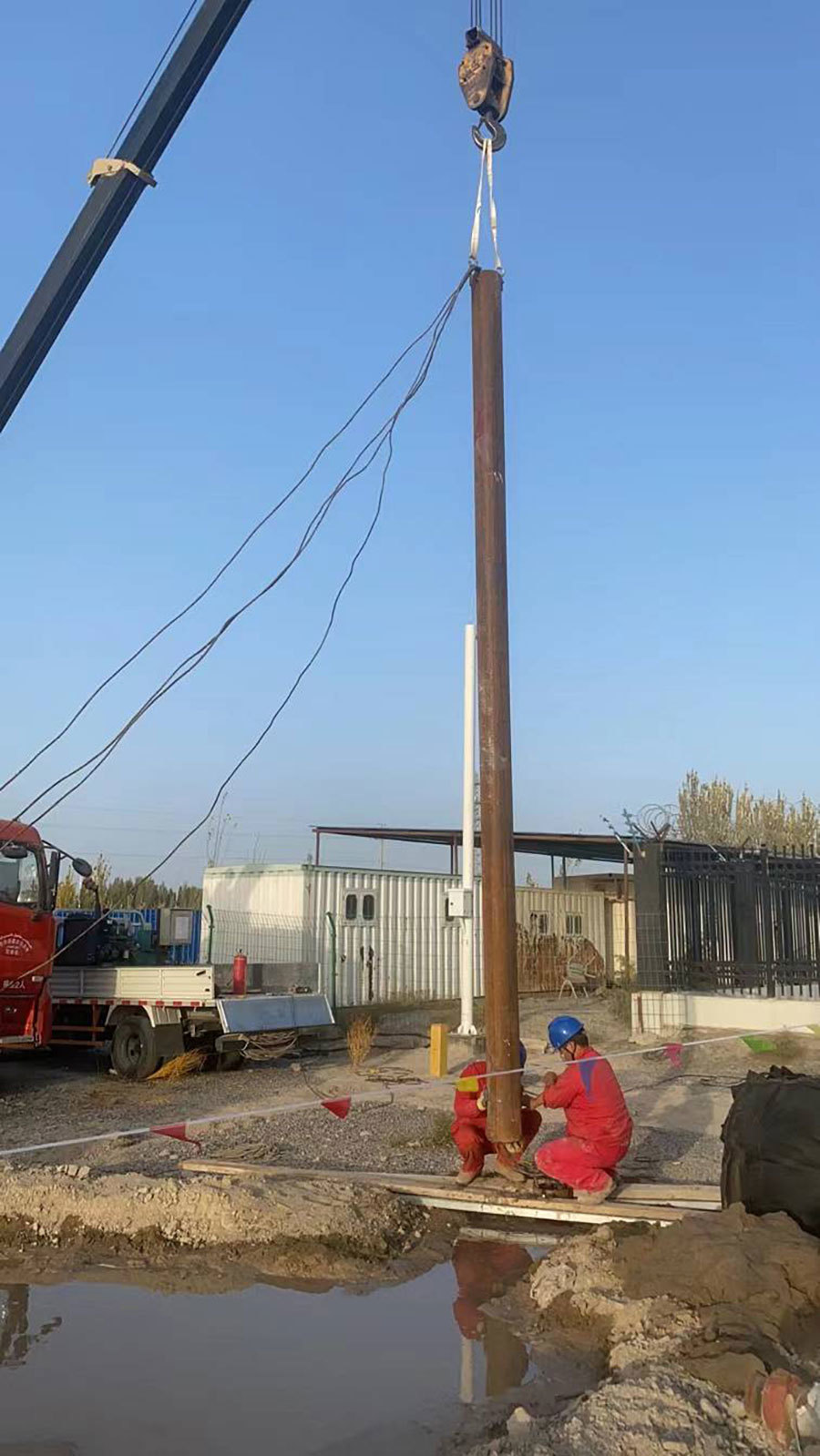
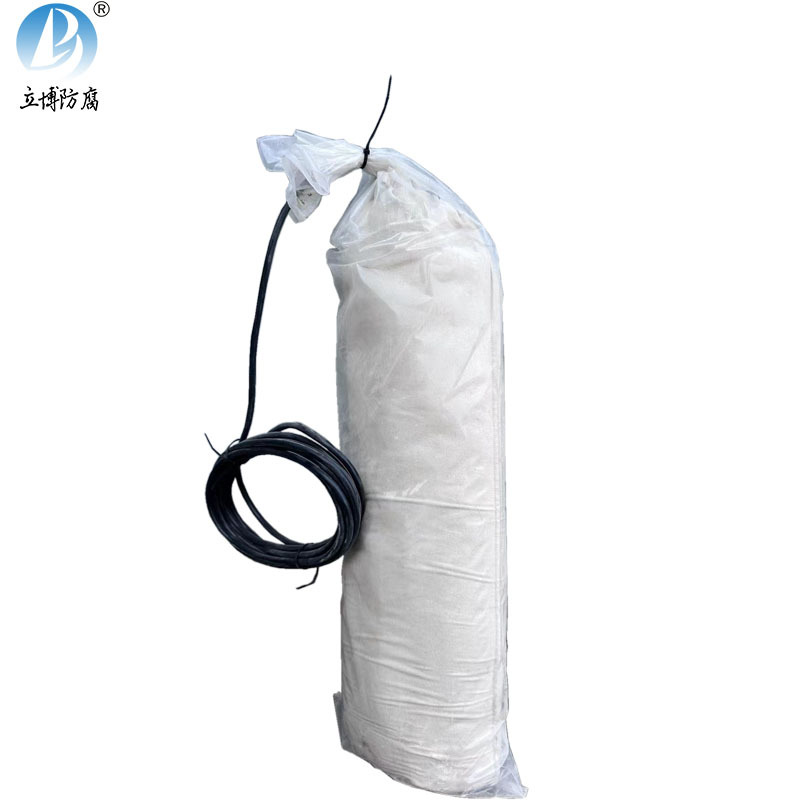
The company's main products: magnesium alloy sacrificial anode series, aluminum alloy sacrificial anode series, zinc alloy sacrificial anode series, and cathodic protection supporting products, such as more than a dozen varieties and hundreds of specifications.


Focus on the development and production of cathodic protection materials

online message
We will contact you within one working day. Please pay attention to your phone or email.