


Understanding Portable Reference Electrodes: Key Components for Environmental Monitoring
Release time:
2026-04-14
Portable reference electrodes are essential components in the field of environmental monitoring instruments, particularly in applications that require accurate electrochemical measurements. These electrodes serve as stable reference points against which the potential of other electrodes can be measured, ensuring consistent and reliable readings in various environmental conditions. Their portabilit
One of the primary advantages of using a portable reference electrode is its ability to provide a stable reference potential regardless of the conditions in which it is deployed. This stability is crucial in environments that may experience fluctuations in temperature, pH, or ion concentration, which can affect the accuracy of electrochemical measurements. By utilizing a portable reference electrode, professionals can achieve greater reliability in their data collection, ensuring that the results are valid and actionable.
When selecting a portable reference electrode, it is important to consider several factors. The construction material is one of the key aspects, as it can influence the electrode's stability and lifespan. Common materials include silver/silver chloride (Ag/AgCl) and calomel, each with its own advantages and suitable applications. Additionally, the design of the electrode, such as whether it features a junction or is gel-filled, can impact its performance in specific environmental conditions. For example, gel-filled electrodes often provide a longer lifespan and are less prone to contamination compared to liquid-filled designs.
Another critical factor is the electrode's compatibility with the specific environmental monitoring instrument being used. Ensuring that the portable reference electrode integrates seamlessly with other components of the measurement system is vital for achieving accurate results. Professionals should also be mindful of calibration procedures, as regular calibration of the reference electrode is essential to maintain measurement accuracy over time.
In addition to its technical specifications, the portability of the reference electrode is a significant consideration for field applications. Lightweight designs and durable materials that are resistant to environmental stressors (such as moisture and temperature fluctuations) are preferred for on-site use. This ensures that the electrode can be easily transported and deployed in diverse locations without compromising its performance.
In conclusion, portable reference electrodes play a crucial role in enhancing the accuracy and reliability of electrochemical measurements in environmental monitoring. By understanding their key features and considerations, professionals in the field can make informed decisions that will lead to more reliable data and improved environmental assessments. Proper selection, usage, and maintenance of portable reference electrodes are therefore essential for anyone involved in the field of environmental monitoring instruments.
Key words:
Learn more about industry dynamics
The company's main products: magnesium alloy sacrificial anode series, aluminum alloy sacrificial anode series, zinc alloy sacrificial anode series, and cathodic protection supporting products, such as more than a dozen varieties and hundreds of specifications.

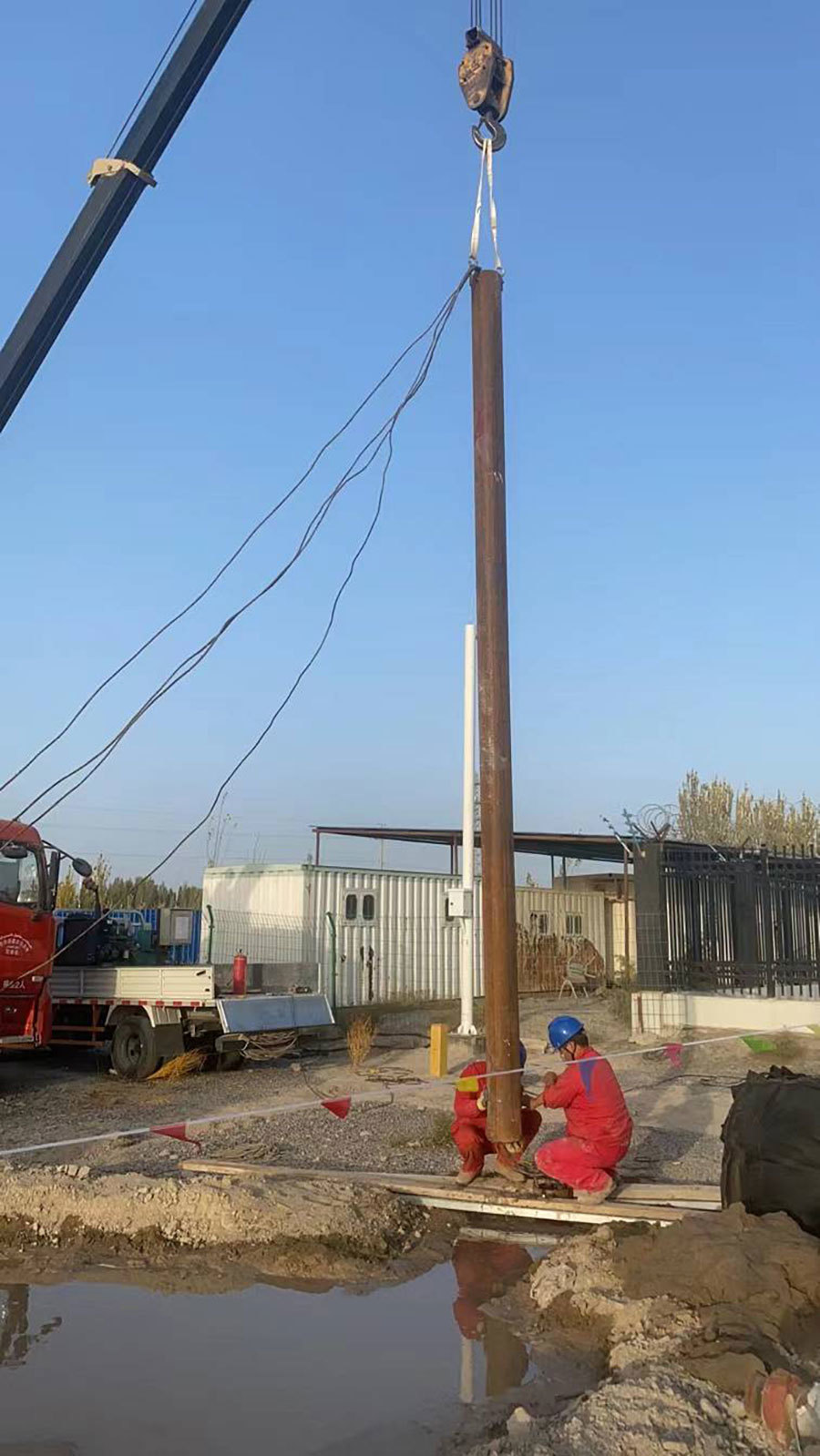
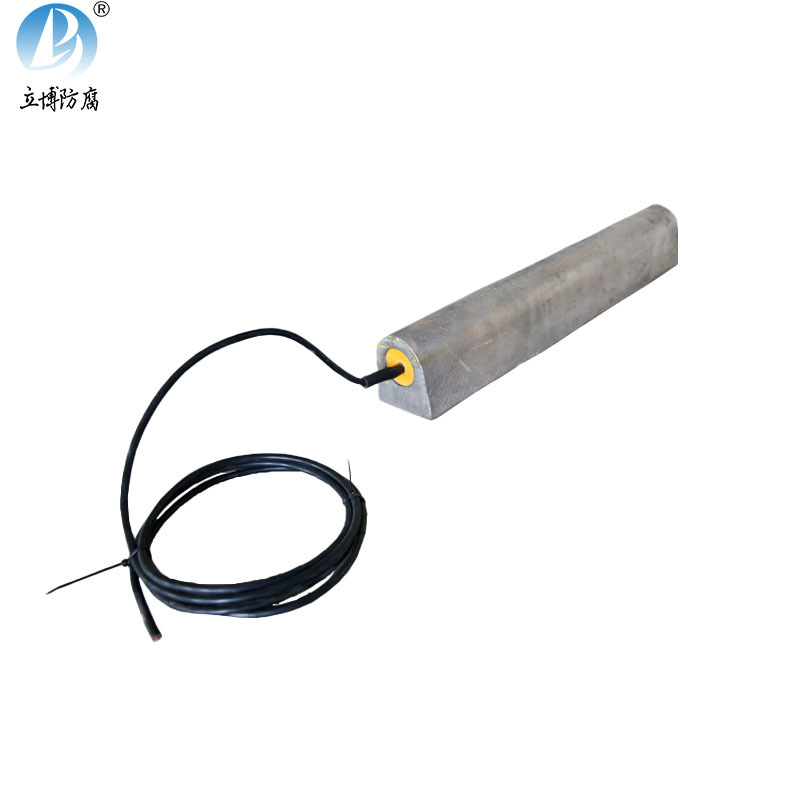
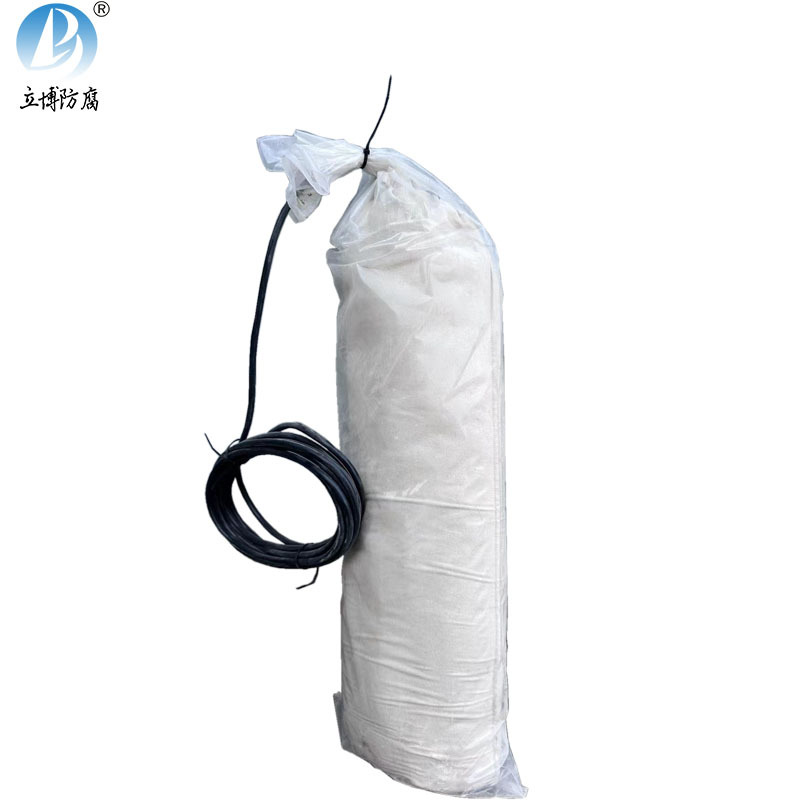

Focus on the development and production of cathodic protection materials

online message
We will contact you within one working day. Please pay attention to your phone or email.