


The Essential Role of Deep Well Anodes in Corrosion Protection
Release time:
2026-04-04
In the construction and decorative materials industry, the use of effective corrosion protection methods is paramount, especially when dealing with materials that are frequently exposed to moisture and corrosive elements. One such innovative solution is the Deep Well Anode, a type of cathodic protection system that plays a crucial role in extending the lifespan of various structures by preventing
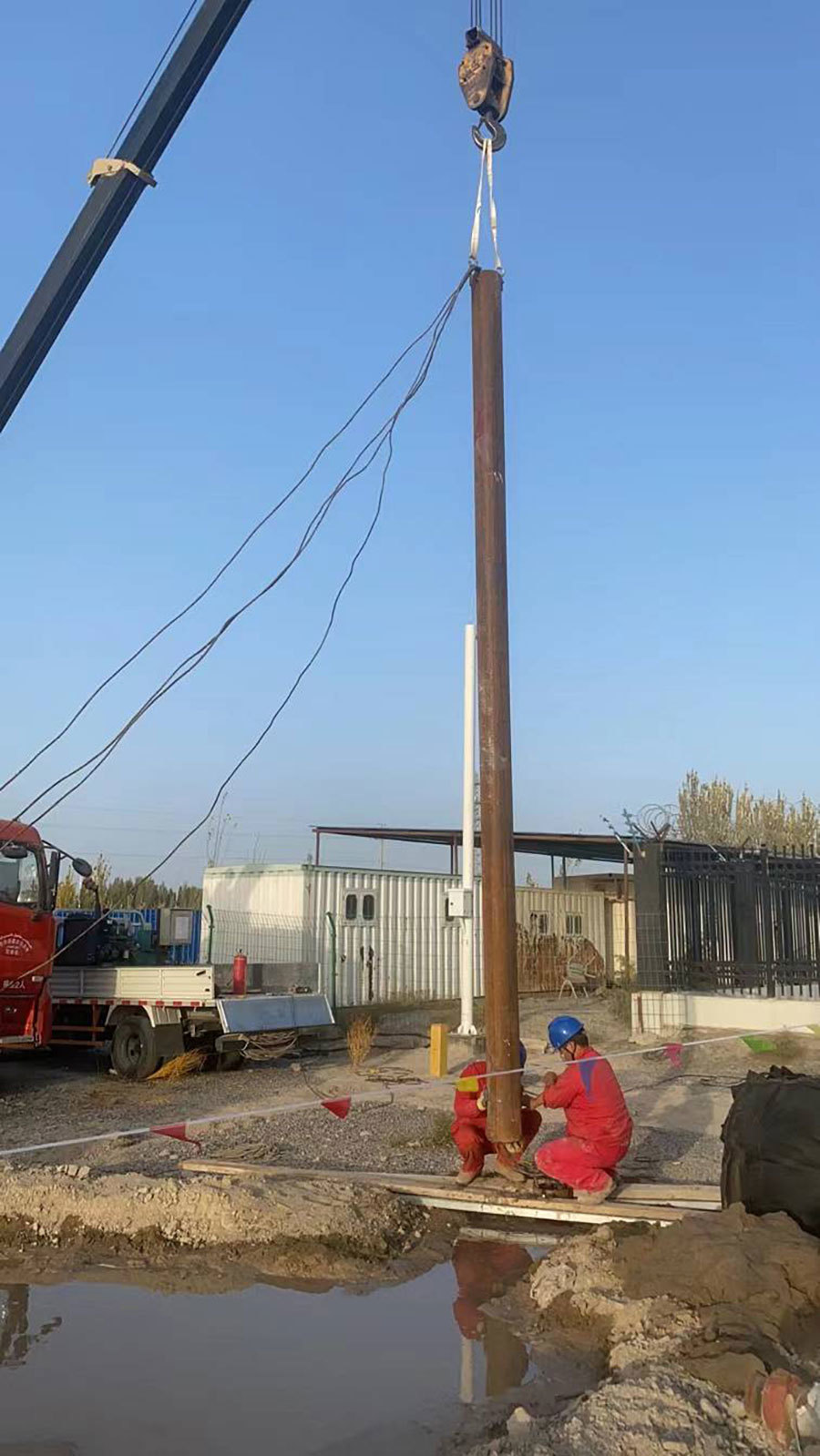
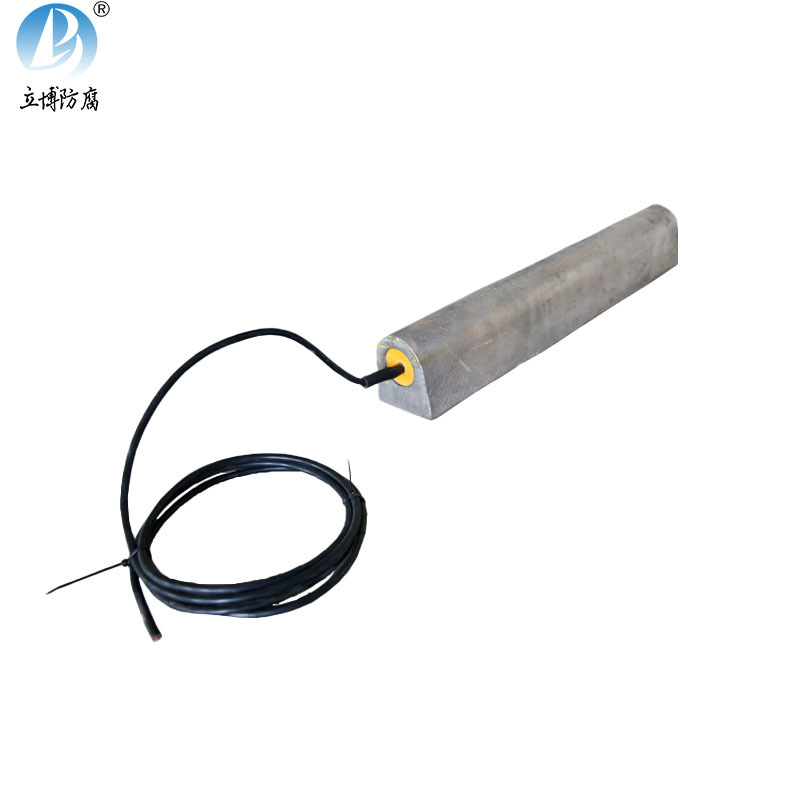
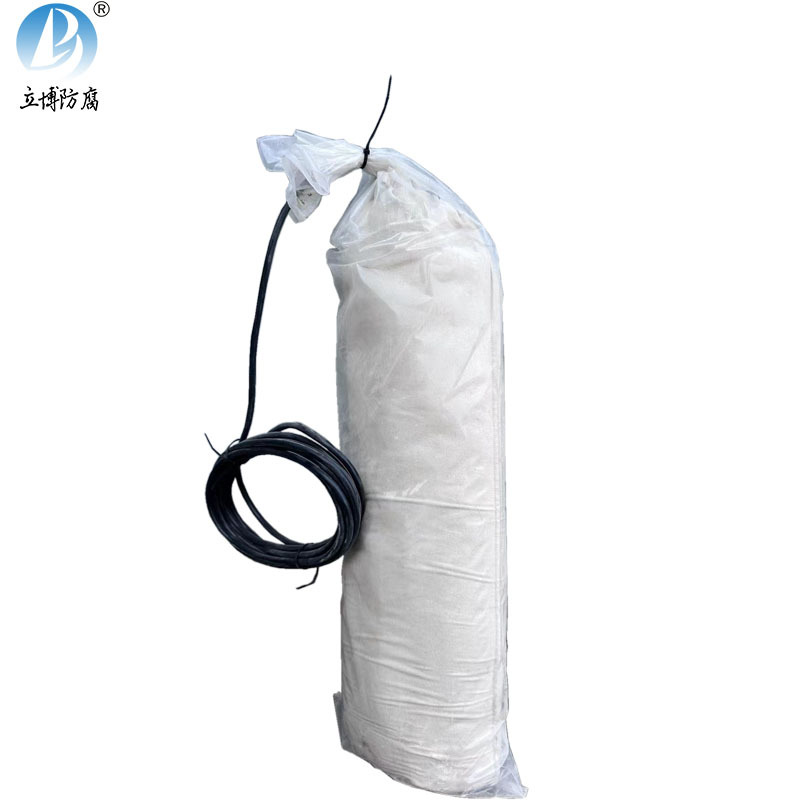
Deep well anodes are designed to be installed deep into the ground, where they serve as sacrificial anodes. These anodes work by utilizing electrochemical reactions to protect structures from corrosion. When connected to a metal surface, the deep well anode will corrode preferentially, thus sacrificing itself to protect more valuable structures, such as pipelines, storage tanks, and other buried assets. The effectiveness of deep well anodes lies in their ability to maintain a stable and consistent electrochemical environment, even in challenging soil conditions.
One of the primary advantages of using deep well anodes is their durability and longevity. Unlike traditional anodes that might require frequent replacement, deep well anodes can operate effectively for decades without significant maintenance. This long service life not only provides cost savings but also minimizes disruptions to ongoing operations, making them ideal for projects in sensitive environments.
Another important consideration is the selection of materials used for deep well anodes. Common materials include zinc, aluminum, and magnesium, each offering varying degrees of effectiveness depending on soil composition and moisture levels. Engineers and project managers should take into account these factors when designing cathodic protection systems to ensure optimal performance. Additionally, regular monitoring and maintenance of the anodes are essential to ensure they continue to provide adequate protection over time.
In light of environmental concerns, the use of deep well anodes also aligns with sustainable practices in construction and decoration. By extending the life of structures and reducing the need for replacements, these anodes contribute to lower resource consumption and reduce waste, aligning with broader sustainability goals in the industry.
In conclusion, deep well anodes represent a robust solution for corrosion protection in the construction and decorative materials sector. Their ability to provide long-lasting protection, combined with their minimal maintenance requirements, makes them a valuable consideration for professionals involved in project planning and execution. Understanding the functionality and benefits of deep well anodes can significantly enhance the integrity and longevity of structures, ultimately leading to more successful and sustainable construction practices.
Key words:
Learn more about industry dynamics
The company's main products: magnesium alloy sacrificial anode series, aluminum alloy sacrificial anode series, zinc alloy sacrificial anode series, and cathodic protection supporting products, such as more than a dozen varieties and hundreds of specifications.


Focus on the development and production of cathodic protection materials

online message
We will contact you within one working day. Please pay attention to your phone or email.