


Maximizing Material Life with High Potential Magnesium Anodes: Essential Insights and Applications
Release time:
2026-03-30
Maximizing Material Life with High Potential Magnesium Anodes: Essential Insights and Applications Introduction to Magnesium Anodes In the realm of **building and decorative materials**, the importance of corrosion prevention cannot be overstated. Corrosion can lead to significant losses, both in terms of material integrity and financial resources. High potential magnesium anodes present a reliabl
Maximizing Material Life with High Potential Magnesium Anodes: Essential Insights and Applications
Introduction to Magnesium Anodes
In the realm of **building and decorative materials**, the importance of corrosion prevention cannot be overstated. Corrosion can lead to significant losses, both in terms of material integrity and financial resources. High potential magnesium anodes present a reliable solution for extending the lifespan of various materials. These anodes are primarily used in cathodic protection systems, where they play a critical role in preventing corrosion.
What Are High Potential Magnesium Anodes?
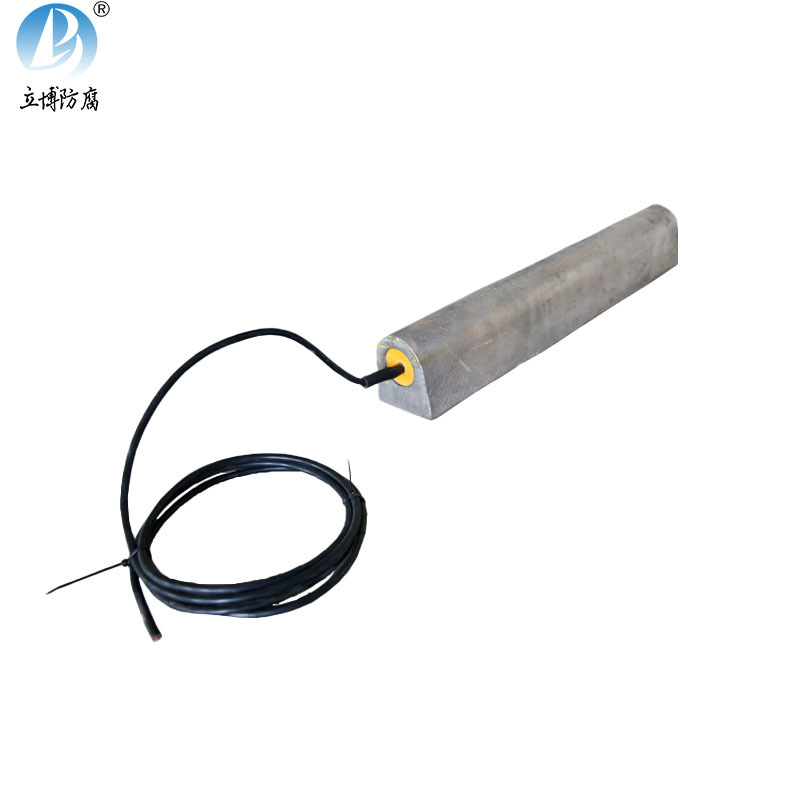
High potential magnesium anodes are sacrificial anodes made from a magnesium alloy. They serve as a crucial element in corrosion protection for various structures, especially in marine environments and underground applications. Unlike traditional steel or aluminum components, these anodes are designed to corrode preferentially, thereby protecting the underlying material.
Understanding the Science Behind Magnesium Anodes
The effectiveness of high potential magnesium anodes is rooted in electrochemistry. When exposed to a corrosive environment, magnesium anodes oxidize and release electrons, which flow to the metal structure they are protecting. This process creates a protective layer that inhibits rust formation.
Key Advantages of Using Magnesium Anodes
1. **High Driving Voltage**: High potential magnesium anodes generate a greater protective voltage compared to their aluminum and zinc counterparts, making them suitable for various applications.
2. **Environmentally Friendly**: Magnesium is a naturally abundant element, making these anodes an eco-friendly choice.
3. **Cost-Effective Solution**: The initial investment in high potential magnesium anodes is often offset by the savings from reduced maintenance and longer material lifespan.
Applications of High Potential Magnesium Anodes
High potential magnesium anodes are used across various industries, including:
Marine Industry
In maritime environments, vessels and offshore structures are susceptible to rapid corrosion due to saltwater exposure. High potential magnesium anodes are extensively used on ship hulls, propellers, and underwater machinery to provide long-lasting protection.
Underground Pipelines
Corrosion is a significant concern for underground pipelines carrying oil, gas, and water. Implementing high potential magnesium anodes in cathodic protection systems ensures the integrity of these vital infrastructures.
Reinforced Concrete Structures
Reinforced concrete is often at risk of corrosion due to environmental factors. Utilizing magnesium anodes embedded within concrete can help prolong the life of the structure, minimizing costly repairs.
Choosing the Right High Potential Magnesium Anode
Selecting the appropriate magnesium anode depends on various factors, including environmental conditions, application type, and the specific material being protected.
Factors to Consider When Selecting Anodes
1. **Environment**: Consider whether the application is marine, underground, or atmospheric.
2. **Size and Weight**: The size of the anode must correspond to the area that needs protection.
3. **Compatibility**: Ensure that the magnesium alloy is compatible with the substrate material to maximize effectiveness.
Installation and Maintenance Best Practices
Proper installation and maintenance are critical for ensuring the effectiveness of high potential magnesium anodes.
Installation Guidelines
1. **Placement**: Position anodes close to the structure for optimal protection.
2. **Connection**: Ensure a solid electrical connection between the anode and the metal structure.
3. **Regular Inspections**: Schedule routine inspections to assess the condition of the anodes and the effectiveness of the cathodic protection system.
Maintenance Procedures
1. **Monitoring**: Utilize monitoring equipment to track the performance of anodes over time.
2. **Replacement**: Replace anodes when they show signs of considerable corrosion, ensuring continuous protection.
3. **Documentation**: Maintain records of inspections and replacements for future reference.
Challenges and Solutions in Using Magnesium Anodes
While high potential magnesium anodes offer numerous benefits, challenges may arise in certain conditions.
Common Issues and Their Solutions
1. **Overprotection**: In extremely aggressive environments, anodes may corrode too quickly. Employing a lower potential anode can mitigate this issue.
2. **Poor Electrical Contact**: Ensure that connections are secure and free from corrosion to prevent performance issues.
3. **Environmental Considerations**: Adapt anode selection and installation methods based on specific environmental factors such as temperature and salinity.
FAQs About High Potential Magnesium Anodes
1. How long do high potential magnesium anodes last?
The lifespan of high potential magnesium anodes varies depending on environmental conditions and usage, but they typically last between 3 to 5 years.
2. Can magnesium anodes be used in freshwater applications?
Yes, high potential magnesium anodes can be effective in freshwater applications, though their performance may vary compared to marine environments.
3. What is the difference between magnesium and zinc anodes?
Magnesium anodes generate a higher driving voltage and are more effective in corrosive environments compared to zinc anodes, which are better suited for less aggressive conditions.
4. Are high potential magnesium anodes environmentally safe?
Yes, magnesium is a naturally occurring element, making high potential magnesium anodes an eco-friendly corrosion protection solution.
5. How can I monitor the effectiveness of my magnesium anodes?
Utilizing specialized monitoring equipment can help track the performance and condition of magnesium anodes over time, ensuring optimal protection.
Conclusion
High potential magnesium anodes are a vital component in extending the life of materials subject to corrosion. By understanding their function, selecting the right type, and adhering to installation and maintenance best practices, we can significantly enhance the durability of structures across various industries. Whether for marine applications, underground pipelines, or reinforced concrete, investing in high potential magnesium anodes is a sound decision for long-term material preservation. Embrace this innovative solution and maximize the longevity of your materials today.
Key words:
Learn more about industry dynamics
The company's main products: magnesium alloy sacrificial anode series, aluminum alloy sacrificial anode series, zinc alloy sacrificial anode series, and cathodic protection supporting products, such as more than a dozen varieties and hundreds of specifications.


Focus on the development and production of cathodic protection materials

online message
We will contact you within one working day. Please pay attention to your phone or email.