


Understanding Magnesium Anodes: A Key Component in Corrosion Prevention
Release time:
2026-03-25
Magnesium anodes are widely recognized for their critical role in corrosion prevention, especially within the construction and decorative materials sector. Corrosion poses a significant threat to the integrity and longevity of various structures and materials; thus, understanding the function of magnesium anodes is essential for professionals focused on enhancing material durability. Magnesium ano
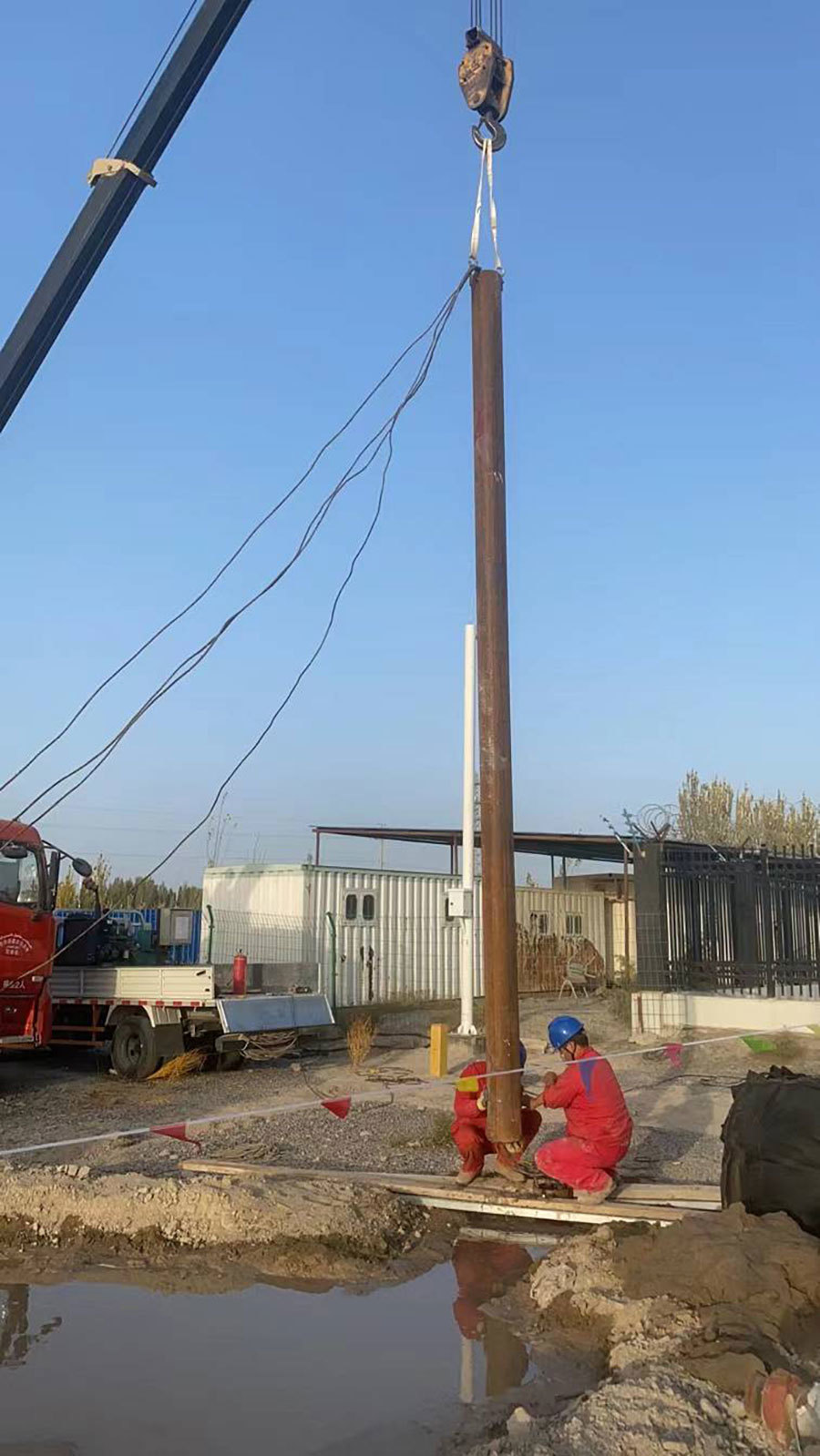
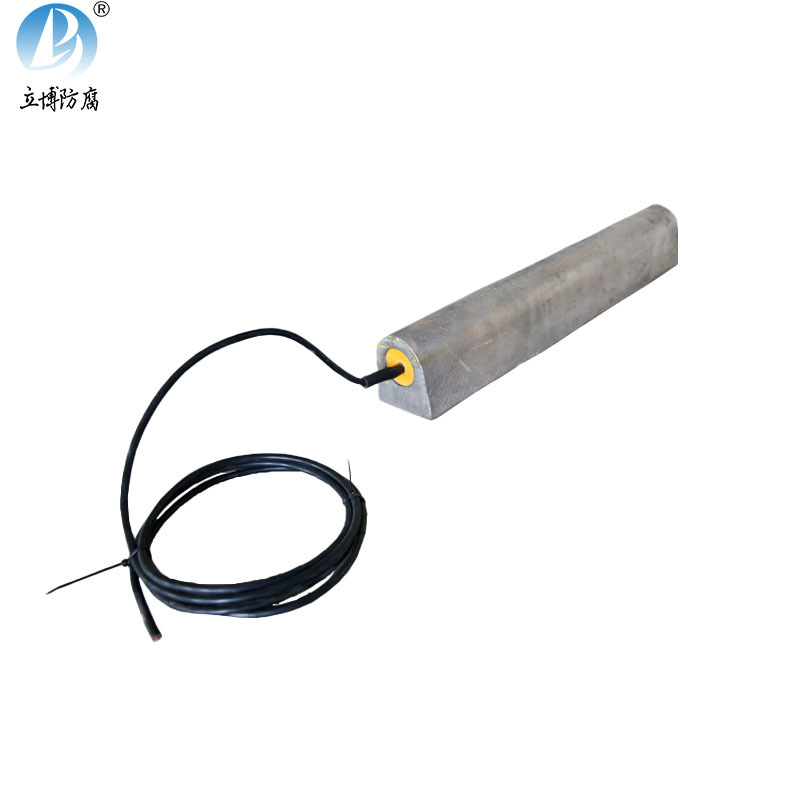
Magnesium anodes, which are a type of sacrificial anode, work on the principle of galvanic corrosion. They are typically made of a magnesium alloy and are used to protect more noble metals, such as steel and aluminum, from corrosion. When submerged in an electrolyte—like water—magnesium anodes corrode in place of the protected metal, effectively preventing or minimizing damage. This makes them an invaluable asset in marine environments, pipelines, and reinforced concrete structures subject to moisture and aggressive chemicals.
One of the primary benefits of magnesium anodes is their high electrochemical potential, which allows for effective protection even in less conductive environments. This characteristic makes them particularly advantageous when applied in various scenarios, including underground pipelines and water storage tanks. In situations where traditional zinc or aluminum anodes may falter, magnesium anodes often provide superior protection, ensuring the longevity and durability of the base materials.
Additionally, magnesium anodes are lightweight and easy to install, making them a practical choice for construction projects of all sizes. Their efficiency can lead to reduced maintenance costs and extended lifespan for structures, ultimately resulting in significant savings for construction companies and clients alike. As they corrode, magnesium anodes can be easily replaced, allowing for a straightforward maintenance routine that ensures ongoing protection against corrosion.
In terms of environmental considerations, magnesium anodes are relatively eco-friendly compared to other forms of corrosion protection. Their use can contribute to sustainable building practices, as they minimize the need for more invasive protective measures or chemical treatments that can be harmful to the environment.
In conclusion, magnesium anodes serve as a vital component in the fight against corrosion, offering numerous benefits for construction and decorative materials. Understanding their functionality and applications can help professionals make informed decisions regarding corrosion prevention strategies. By integrating magnesium anodes into their projects, industry experts can enhance material longevity, reduce maintenance efforts, and contribute to more sustainable practices within their field.
Key words:
Learn more about industry dynamics
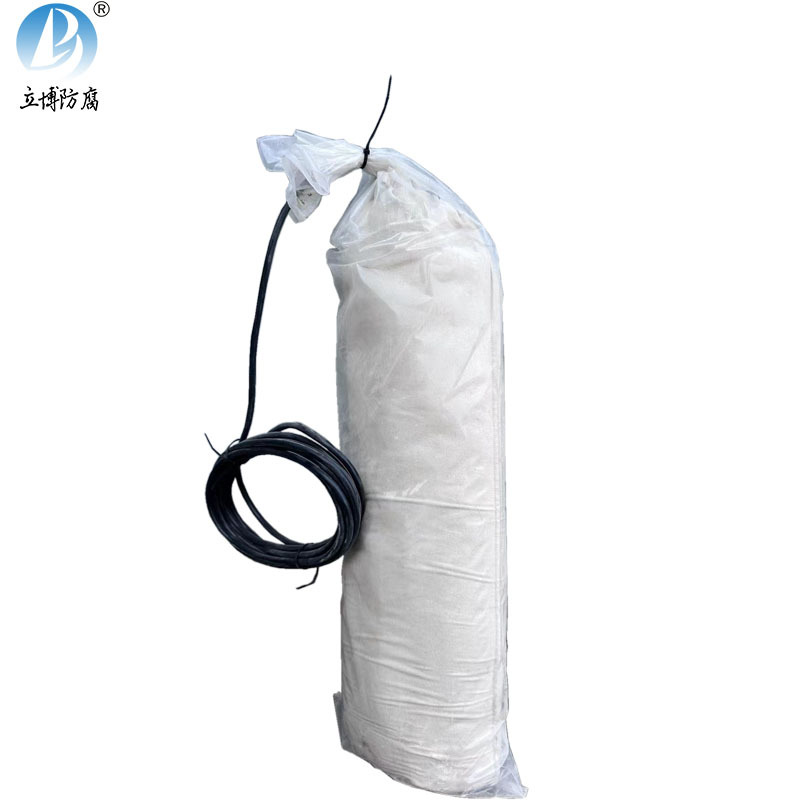
The company's main products: magnesium alloy sacrificial anode series, aluminum alloy sacrificial anode series, zinc alloy sacrificial anode series, and cathodic protection supporting products, such as more than a dozen varieties and hundreds of specifications.


Focus on the development and production of cathodic protection materials

online message
We will contact you within one working day. Please pay attention to your phone or email.