


Maximizing Durability: The Importance of Aluminum Anodes in Building Design
Release time:
2026-03-20
Maximizing Durability: The Importance of Aluminum Anodes in Building Design Table of Contents 1. Introduction to Aluminum Anodes 2. What Are Aluminum Anodes? 3. The Role of Aluminum Anodes in Construction 4. Benefits of Using Aluminum Anodes in Building Design 5. How Aluminum Anodes Prevent Corrosion 6. Installation Techniques for Aluminum Anodes 7. Best Practices for
Maximizing Durability: The Importance of Aluminum Anodes in Building Design
Table of Contents
- 1. Introduction to Aluminum Anodes
- 2. What Are Aluminum Anodes?
- 3. The Role of Aluminum Anodes in Construction
- 4. Benefits of Using Aluminum Anodes in Building Design
- 5. How Aluminum Anodes Prevent Corrosion
- 6. Installation Techniques for Aluminum Anodes
- 7. Best Practices for Aluminum Anode Use in Building Projects
- 8. Case Studies: Successful Applications of Aluminum Anodes
- 9. Conclusion
- 10. Frequently Asked Questions
1. Introduction to Aluminum Anodes
In modern construction, the durability of materials is a critical factor influencing the longevity of buildings. **Aluminum anodes** have emerged as an essential component in the fight against corrosion, especially in environments where structures are exposed to moisture and salt. Understanding their importance allows architects and builders to design more resilient buildings that can withstand the test of time.
2. What Are Aluminum Anodes?
**Aluminum anodes** are sacrificial anodes made from aluminum alloys. They are specifically designed to corrode in place of other metal components that are more susceptible to corrosion, such as steel. When these anodes are electrically connected to the metal structures they are meant to protect, they create a galvanic cell. This process helps to divert corrosion away from the primary materials, enhancing the structure's overall durability—especially in marine and industrial environments.
2.1 Composition and Properties
Aluminum anodes are composed of a blend of aluminum and other metals that enhance their corrosion resistance, such as zinc and magnesium. These secondary elements improve the anode's performance in specific environments, making them suitable for various applications.
3. The Role of Aluminum Anodes in Construction
In construction, the role of aluminum anodes extends beyond mere protection against corrosion. They are integral to maintaining the integrity of structures over time. **Aluminum anodes** are used in diverse applications, from marine structures like piers and boats to reinforcing metal frameworks in buildings.
3.1 Protection in Marine Environments
Marine environments are particularly harsh due to saltwater exposure. Aluminum anodes are widely used in boat hulls, docks, and underwater structures to combat the aggressive corrosive effects of saltwater. By offering robust protection, they significantly prolong the lifespan of these structures.
3.2 Reinforcement in Construction Projects
In addition to marine applications, aluminum anodes are used to reinforce building structures, especially in areas prone to moisture. They are integrated into concrete and metal frameworks to enhance durability and structural integrity.
4. Benefits of Using Aluminum Anodes in Building Design
The incorporation of aluminum anodes in construction projects presents numerous benefits:
4.1 Enhanced Longevity
By significantly reducing corrosion rates, aluminum anodes can extend the lifespan of a building. This not only saves costs in maintenance and repairs but also contributes to sustainability.
4.2 Cost-Effectiveness
While the initial investment may be viewed as an additional expense, the long-term savings through reduced maintenance and increased durability outweigh the upfront costs. Buildings equipped with aluminum anodes require fewer repairs and replacements.
4.3 Environmentally Friendly
Aluminum is a recyclable material, making aluminum anodes an environmentally responsible choice. By using materials that can be repurposed at the end of their life cycle, builders can contribute to sustainability efforts.
4.4 Versatility
Aluminum anodes can be customized for various building applications, allowing for flexibility in design and functionality. Their adaptability makes them suitable for different environments, whether urban, coastal, or industrial.
5. How Aluminum Anodes Prevent Corrosion
The functionality of aluminum anodes in preventing corrosion is grounded in the principles of electrochemistry:
5.1 The Galvanic Process
When aluminum anodes are connected to a metal structure, a galvanic reaction occurs. The aluminum anode acts as the anode in the electrochemical cell, sacrificing itself to protect the more critical components from corrosion.
5.2 Importance of Electrical Connectivity
To ensure the efficacy of aluminum anodes, proper electrical connectivity is crucial. Any breaks in this connection can lead to ineffective corrosion protection, underscoring the importance of correct installation and maintenance.
6. Installation Techniques for Aluminum Anodes
Proper installation of aluminum anodes is critical to their effectiveness. Here are key techniques to consider:
6.1 Site Assessment
Before installation, a thorough site assessment is necessary to determine environmental conditions and select the appropriate type of aluminum anodes. Understanding the surroundings allows for tailored solutions.
6.2 Correct Placement
Strategic placement of aluminum anodes ensures optimal protection. Anodes should be positioned where they are most likely to come into contact with corrosive elements while being easily accessible for future maintenance.
6.3 Quality Assurance
Using high-quality aluminum anodes is essential. They should meet industry standards and specifications to ensure maximum effectiveness in protecting structures.
7. Best Practices for Aluminum Anode Use in Building Projects
To maximize the benefits of aluminum anodes, consider the following best practices:
7.1 Regular Inspections
Routine inspections are vital to evaluate the condition of aluminum anodes. Monitoring their performance allows for timely replacements and ensures continued protection against corrosion.
7.2 Environmental Adaptability
Select aluminum anodes that are specifically designed for the environment in which they will be used. Factors such as salinity, temperature, and exposure to various chemicals should guide material selection.
7.3 Integration with Other Protective Measures
For optimal durability, combine aluminum anodes with other protective measures, such as protective coatings and barriers. This multi-faceted approach enhances the overall resilience of structures.
8. Case Studies: Successful Applications of Aluminum Anodes
The effectiveness of aluminum anodes is well-demonstrated in various case studies:
8.1 Marine Structures
In a coastal city, a marina implemented aluminum anodes in their docks and boat slips. The result was a significant reduction in maintenance costs and an extension of the lifespan of marine structures.
8.2 Urban Infrastructure
In a metropolitan area, aluminum anodes were integrated into the construction of bridges exposed to de-icing salts. This preventive measure has led to lower corrosion rates and enhanced structural integrity.
9. Conclusion
Incorporating **aluminum anodes** into building design is a strategic decision that enhances durability and longevity. Their ability to prevent corrosion in various environments makes them invaluable in construction. As the industry moves towards sustainable and resilient building practices, understanding and utilizing aluminum anodes is crucial for architects, builders, and property owners alike. By leveraging the benefits and best practices outlined in this article, we can ensure the future of our structures is both durable and environmentally responsible.
10. Frequently Asked Questions
Q1: How often should aluminum anodes be replaced?
A1: Aluminum anodes should be inspected regularly and replaced when they are significantly corroded, typically every 2-3 years, depending on environmental conditions.
Q2: Can aluminum anodes be used in freshwater?
A2: Yes, aluminum anodes can be used in freshwater environments, but it is essential to select the appropriate type designed specifically for such conditions.
Q3: What is the lifespan of an aluminum anode?
A3: The lifespan of an aluminum anode varies based on environmental factors, but they generally last between 2 to 5 years before requiring replacement.
Q4: Are aluminum anodes effective in all types of environments?
A4: While aluminum anodes are effective in many environments, their performance may vary based on specific conditions, such as salinity levels and temperature.
Q5: How do I ensure proper installation of aluminum anodes?
A5: To ensure proper installation, conduct a thorough site assessment, follow manufacturer guidelines, and ensure proper electrical connectivity to the metal structure being protected.
By following the insights and strategies presented in this article, we can leverage the power of aluminum anodes to create more durable and sustainable buildings.
Key words:
Learn more about industry dynamics
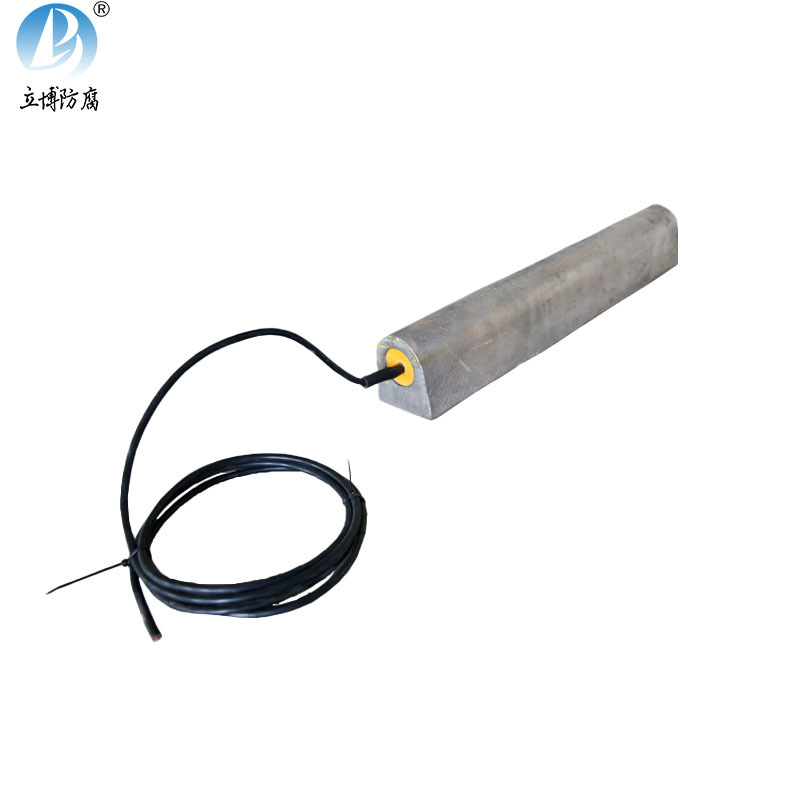
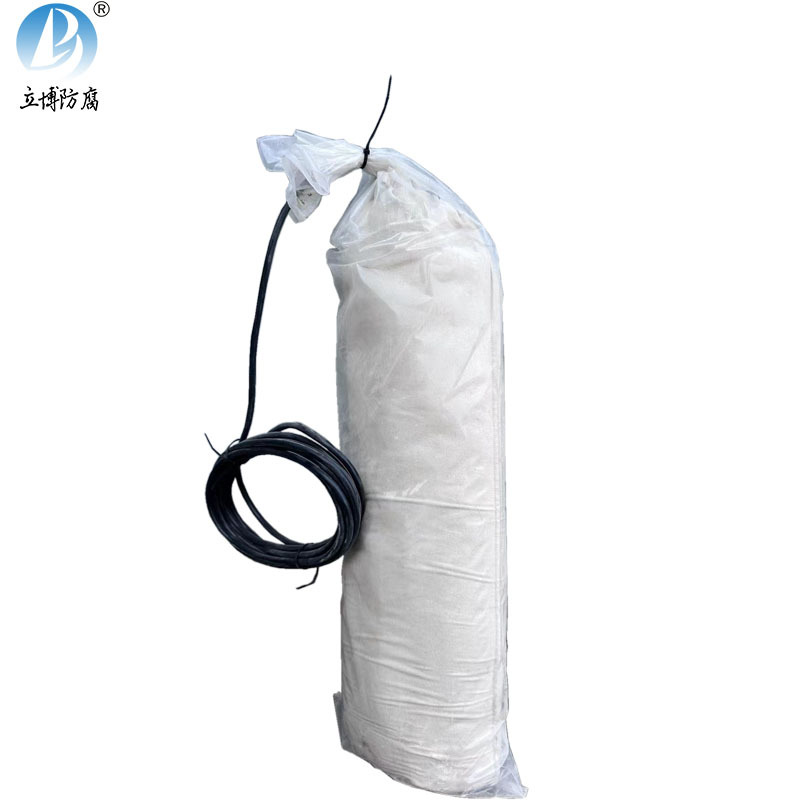
The company's main products: magnesium alloy sacrificial anode series, aluminum alloy sacrificial anode series, zinc alloy sacrificial anode series, and cathodic protection supporting products, such as more than a dozen varieties and hundreds of specifications.


Focus on the development and production of cathodic protection materials

online message
We will contact you within one working day. Please pay attention to your phone or email.