


A Comprehensive Guide to High Potential Magnesium Anodes: Optimal Protection Solutions for Your Assets
Release time:
2026-02-28
A Comprehensive Guide to High Potential Magnesium Anodes: Optimal Protection Solutions for Your Assets Table of Contents Understanding Corrosion and Its Impact on Infrastructure What Are High Potential Magnesium Anodes? How High Potential Magnesium Anodes Work Advantages of High Potential Magnesium Anodes Applications of Magnesium Anodes in Various Industries Installing High Potential Magnesium A
A Comprehensive Guide to High Potential Magnesium Anodes: Optimal Protection Solutions for Your Assets
Table of Contents
- Understanding Corrosion and Its Impact on Infrastructure
- What Are High Potential Magnesium Anodes?
- How High Potential Magnesium Anodes Work
- Advantages of High Potential Magnesium Anodes
- Applications of Magnesium Anodes in Various Industries
- Installing High Potential Magnesium Anodes: A Step-by-Step Guide
- Maintenance and Monitoring of Magnesium Anodes
- Frequently Asked Questions (FAQs)
- Conclusion
Understanding Corrosion and Its Impact on Infrastructure
Corrosion poses a significant challenge to infrastructure, causing considerable degradation over time. It results from the chemical reaction between metal surfaces and environmental elements, leading to structural failures and costly repairs. This deterioration can affect bridges, pipelines, vessels, and various other metal installations. Understanding the nature of corrosion and its impact is crucial for the longevity of these structures.
Types of Corrosion
Corrosion can manifest in several forms, including:
- **Galvanic Corrosion**: Occurs when two different metals are in contact in the presence of an electrolyte.
- **Pitting Corrosion**: Characterized by small, localized areas of corrosion, often found in stainless steel.
- **Crevice Corrosion**: Takes place in shielded areas, such as under gaskets or deposits, where moisture can accumulate.
- **Uniform Corrosion**: Affects the entire surface of a metal, leading to a gradual loss of thickness.
Each type of corrosion requires specific preventive measures, and employing high potential magnesium anodes offers one of the most effective solutions.
What Are High Potential Magnesium Anodes?
High potential magnesium anodes are sacrificial anodes made from magnesium alloy, designed to provide cathodic protection against corrosion. They operate by corroding in place of the metal structure they are protecting. Because magnesium has a higher electrochemical potential than most metals, it serves effectively as a sacrificial anode.
Key Characteristics of Magnesium Anodes
- **High Driving Voltage**: Their electrochemical properties allow them to provide a high driving voltage, enhancing the protection level.
- **Lightweight**: Magnesium anodes are significantly lighter than other materials, making them easier to handle and install.
- **Cost-Effective**: Compared to alternatives, they are relatively inexpensive, offering a budget-friendly solution for corrosion protection.
How High Potential Magnesium Anodes Work
The mechanism of action for high potential magnesium anodes involves electrochemical reactions. When installed, these anodes create a galvanic cell with the surrounding metal structure. The anode sacrifices itself through oxidation, effectively diverting corrosion away from the protected metal.
The Cathodic Protection Process
1. **Installation**: The anode is connected to the metal structure, often buried in soil or submerged in water.
2. **Oxidation**: The magnesium anode oxidizes, releasing electrons.
3. **Current Flow**: The electrons flow to the metal structure, providing it with a negative charge and preventing oxidation (corrosion).
4. **Protection**: The anode continues to corrode, protecting the underlying metal until it is consumed.
This efficient method ensures that even in harsh environments, the metal structures remain intact and functional.
Advantages of High Potential Magnesium Anodes
High potential magnesium anodes offer several advantages that make them a preferred choice in corrosion protection strategies:
Enhanced Protection
Due to their high driving voltage, magnesium anodes provide superior protection, especially in challenging environments like seawater or freshwater.
Longevity and Reliability
With a sacrificial life that can extend for years, these anodes reduce maintenance frequency, ensuring consistent protection over time.
Simplicity of Use
The installation process is straightforward, requiring minimal technical expertise, which allows for quick deployment in various applications.
Environmental Compatibility
Magnesium is a naturally occurring element, making it an environmentally friendly option compared to some other anode materials.
Applications of Magnesium Anodes in Various Industries
High potential magnesium anodes are versatile and can be employed across numerous sectors:
Marine Industry
In the marine environment, magnesium anodes are used to protect ships, offshore platforms, and various submerged structures from corrosion due to seawater exposure.
Pipelines and Storage Tanks
For buried pipelines and storage tanks, magnesium anodes prevent corrosion caused by soil electrolytes, ensuring the longevity of these vital infrastructure components.
Water Treatment Facilities
In water treatment plants, magnesium anodes safeguard metal parts from corrosion, extending their operational lifespan and maintaining system efficiency.
Geothermal Energy Systems
In geothermal energy systems, magnesium anodes protect metal components exposed to aggressive geothermal fluids, ensuring the reliability of energy production.
Installing High Potential Magnesium Anodes: A Step-by-Step Guide
Proper installation is crucial for maximizing the effectiveness of high potential magnesium anodes. Here’s a comprehensive guide:
Step 1: Site Assessment
Conduct a thorough site assessment to determine the best locations for anode placement, considering soil composition and moisture levels.
Step 2: Preparation
Prepare the installation area by clearing debris and ensuring access to the metal structure that needs protection.
Step 3: Positioning the Anodes
Install the magnesium anodes close to the metal structure while avoiding direct contact. For underground installations, ensure the anodes are buried at an appropriate depth.
Step 4: Electrical Connection
Connect the anodes to the metal structure using suitable electrical connections, ensuring a strong and reliable bond.
Step 5: Testing
After installation, test the system to verify that the anodes are functioning correctly and effectively protecting the metal structure.
Maintenance and Monitoring of Magnesium Anodes
Even though magnesium anodes are designed to provide long-term protection, regular maintenance and monitoring are essential to ensure their effectiveness.
Inspection Schedule
Establish a routine inspection schedule to check the condition of the anodes and the performance of the protection system. Look for signs of consumption and ensure electrical connections remain intact.
Replacement Protocol
When the anodes show significant signs of wear and reduced effectiveness, replace them promptly to maintain optimal protection levels.
Frequently Asked Questions (FAQs)
1. What is the lifespan of high potential magnesium anodes?
The lifespan can vary depending on environmental conditions and usage but typically ranges from 2 to 5 years.
2. Can magnesium anodes be used in both freshwater and saltwater?
Yes, magnesium anodes are effective in both freshwater and saltwater environments, providing robust corrosion protection.
3. How are magnesium anodes disposed of after use?
Used magnesium anodes should be disposed of according to local regulations regarding metal waste recycling.
4. Are there any specific installation requirements for magnesium anodes?
While installation is generally straightforward, it’s essential to ensure proper electrical connections and appropriate positioning to maximize protection.
5. Can high potential magnesium anodes be used alongside other anode types?
Yes, they can be used in conjunction with other anode types, but it’s vital to consider the electrochemical interactions to ensure effective protection.
Conclusion
High potential magnesium anodes represent a powerful solution for protecting metal structures from corrosion. Their high efficiency, cost-effectiveness, and adaptability make them suitable for various applications across multiple industries. By understanding their mechanisms, benefits, and proper installation procedures, stakeholders can ensure that their assets remain safe and operational for years to come. Embracing this technology not only protects investments but also contributes to the sustainability of essential infrastructure.
Key words:
Learn more about industry dynamics
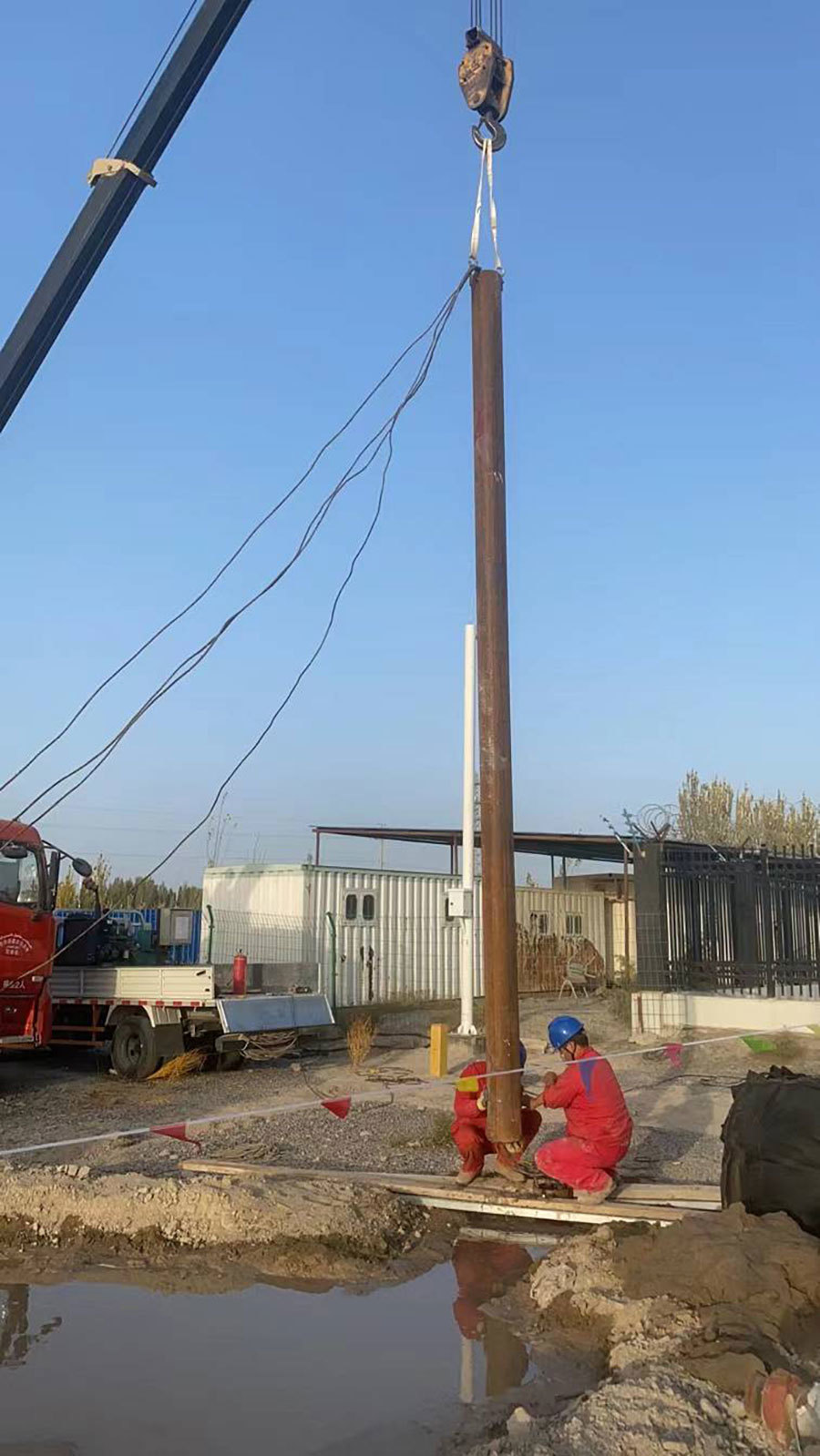
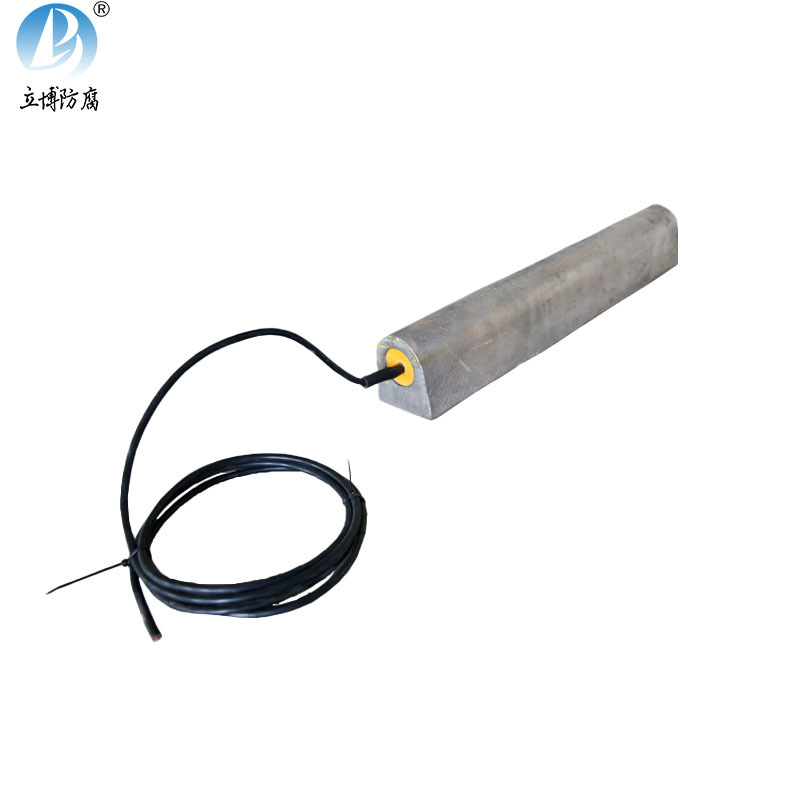
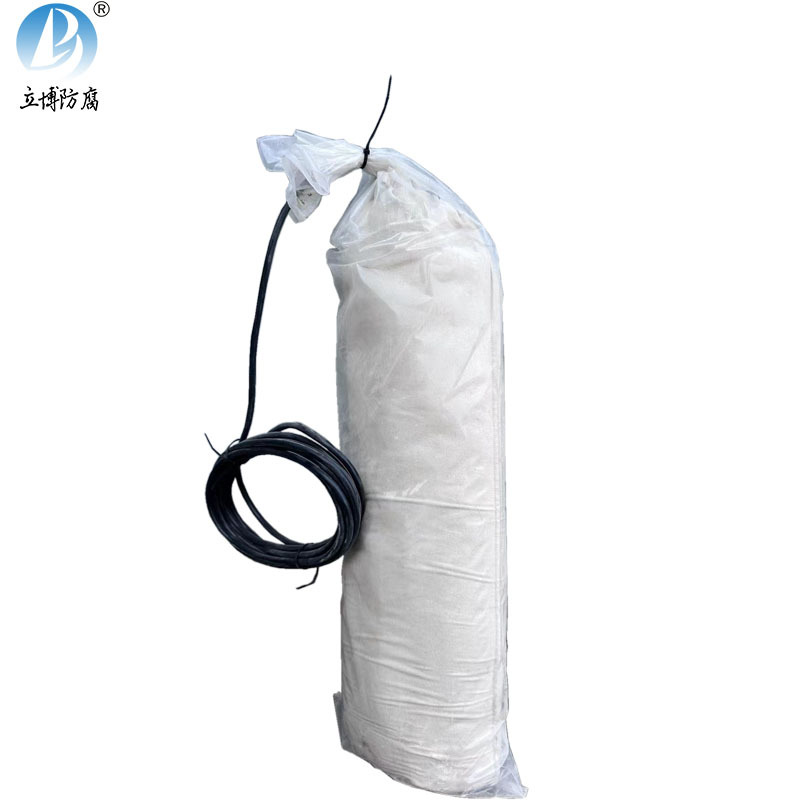
The company's main products: magnesium alloy sacrificial anode series, aluminum alloy sacrificial anode series, zinc alloy sacrificial anode series, and cathodic protection supporting products, such as more than a dozen varieties and hundreds of specifications.


Focus on the development and production of cathodic protection materials

online message
We will contact you within one working day. Please pay attention to your phone or email.