


Innovative Applications of Aluminum Anodes in Modern Construction
Release time:
2026-02-18
Innovative Applications of Aluminum Anodes in Modern Construction Table of Contents Introduction to Aluminum Anodes in Construction Understanding Aluminum Anodes Benefits of Using Aluminum Anodes Applications in Modern Construction Aluminum Anodes in Cathodic Protection Systems Comparative Analysis: Aluminum vs. Other Corrosion Prevention Materials Sustainability a
Innovative Applications of Aluminum Anodes in Modern Construction
Table of Contents
- Introduction to Aluminum Anodes in Construction
- Understanding Aluminum Anodes
- Benefits of Using Aluminum Anodes
- Applications in Modern Construction
- Aluminum Anodes in Cathodic Protection Systems
- Comparative Analysis: Aluminum vs. Other Corrosion Prevention Materials
- Sustainability and Environmental Impact
- Future Prospects of Aluminum Anodes in Construction
- FAQs
- Conclusion
Introduction to Aluminum Anodes in Construction
The construction industry continually seeks innovative solutions to address the challenges of durability, longevity, and sustainability. Among the various materials employed, **aluminum anodes** have emerged as a vital component in enhancing the resilience of structures. This article will delve into the innovative applications of **aluminum anodes** within modern construction, exploring their benefits, uses, and future potential.
Understanding Aluminum Anodes
**Aluminum anodes** are sacrificial anodes made from high-purity aluminum alloys. Their primary function is to prevent corrosion in metallic structures by undergoing oxidation themselves. This electrochemical process is crucial in various construction applications, particularly in environments where exposure to moisture and corrosive elements is prevalent.
The Science Behind Aluminum Anodes
The effectiveness of aluminum anodes lies in their electrochemical properties. When connected to a metallic structure, aluminum anodes corrode preferentially, thereby protecting the structure from rust and degradation. This sacrificial action extends the lifespan of essential components, resulting in reduced maintenance costs and increased safety for buildings and infrastructure.
Benefits of Using Aluminum Anodes
The integration of aluminum anodes in construction offers numerous advantages:
Corrosion Resistance
Aluminum's innate resistance to corrosion allows it to excel in various environments, including marine and industrial settings. Structures utilizing aluminum anodes benefit significantly from reduced wear and tear, ensuring a longer lifespan.
Cost-Effectiveness
While the initial investment in aluminum anodes may be higher than traditional methods, the long-term savings associated with lower maintenance and replacement costs can result in a more economically viable solution.
Lightweight Properties
Aluminum is significantly lighter than many alternative materials, making it an ideal choice for applications where weight reduction is crucial. This characteristic enhances ease of transportation and installation.
Environmental Benefits
Aluminum is 100% recyclable, making it an environmentally friendly choice for construction. Utilizing aluminum anodes supports sustainable building practices and reduces the construction industry's carbon footprint.
Applications in Modern Construction
The versatility of aluminum anodes allows for a wide range of applications within the construction sector:
Marine Structures
In environments exposed to saltwater, such as docks, piers, and marina facilities, aluminum anodes play a critical role in protecting metallic components from corrosive damage.
Reinforced Concrete Structures
In reinforced concrete, aluminum anodes can be embedded within the structure to provide ongoing cathodic protection, significantly extending the lifespan of the concrete and reinforcing steel.
Bridges and Overpasses
Bridges and overpasses are particularly susceptible to corrosion from moisture and de-icing salts. Integrating aluminum anodes into these structures enhances their durability and reduces the risk of structural failure.
Aluminum Anodes in Cathodic Protection Systems
Cathodic protection is a method used to prevent corrosion in metal surfaces by using sacrificial anodes. Aluminum anodes are frequently employed in cathodic protection systems for their efficiency and longevity.
Active vs. Passive Protection
Aluminum anodes can be used in both active and passive cathodic protection systems, catering to different project requirements. By employing aluminum anodes in these systems, constructors can ensure optimal protection against corrosion, adapting to various environmental conditions and structural needs.
Comparative Analysis: Aluminum vs. Other Corrosion Prevention Materials
While aluminum anodes are highly effective, it is essential to compare their performance with other corrosion prevention materials:
Aluminum vs. Zinc Anodes
Zinc anodes are another common choice for corrosion protection. However, aluminum anodes offer superior performance in certain environments, particularly in saltwater applications. Their lightweight properties and greater surface area allow for more efficient protection.
Aluminum vs. Magnesium Anodes
Magnesium anodes are often used in freshwater applications. Still, aluminum anodes perform better in marine environments, making them a preferred choice for coastal and maritime construction projects.
Sustainability and Environmental Impact
In today's construction landscape, sustainability is paramount. Aluminum anodes support eco-friendly practices through:
Recyclability
Aluminum is fully recyclable without loss of quality, making it a sustainable choice for construction materials. Utilizing aluminum anodes contributes to a circular economy in the construction sector.
Reduced Resource Consumption
By prolonging the lifespan of metal structures and minimizing the need for replacements, aluminum anodes help conserve resources, reducing the environmental impact associated with manufacturing new materials.
Future Prospects of Aluminum Anodes in Construction
As the construction industry evolves, aluminum anodes are poised for increased adoption. The growing emphasis on sustainable practices, coupled with advancements in material science, suggests a bright future for aluminum anodes.
Innovations in Anode Technology
Research continues to enhance the performance of aluminum anodes. Innovations may lead to even more effective corrosion prevention techniques, making them indispensable in construction.
Expanding Applications
As awareness of the benefits of aluminum anodes increases, we can expect their usage to expand beyond traditional applications. New sectors, such as renewable energy infrastructure, may also benefit from their unique properties.
FAQs
What is the primary function of aluminum anodes in construction?
Aluminum anodes primarily function to prevent corrosion in metallic structures by undergoing oxidation, thus protecting the underlying metal.
How do aluminum anodes differ from zinc and magnesium anodes?
Aluminum anodes are more effective in saltwater environments, while zinc and magnesium are typically used in freshwater applications. Aluminum's lightweight properties also enhance its efficiency.
Are aluminum anodes environmentally friendly?
Yes, aluminum is 100% recyclable and supports sustainable construction practices. Their use helps minimize waste and conserve resources.
How long do aluminum anodes last?
The lifespan of aluminum anodes can vary based on environmental conditions and application, but they typically provide effective protection for several years.
Can aluminum anodes be used in residential construction?
Yes, aluminum anodes are used in various applications, including residential construction, particularly in areas prone to moisture and corrosion.
Conclusion
The innovative applications of **aluminum anodes** in modern construction represent a significant advancement in the fight against corrosion. Through their integration, the industry not only enhances the durability and longevity of structures but also embraces sustainable building practices. As technology progresses and awareness of environmental impact grows, the future of aluminum anodes in construction looks promising, making them an essential consideration for builders, architects, and property owners alike. By leveraging the unique properties of aluminum anodes, we can ensure the resilience and sustainability of our built environment for generations to come.
Key words:
Learn more about industry dynamics
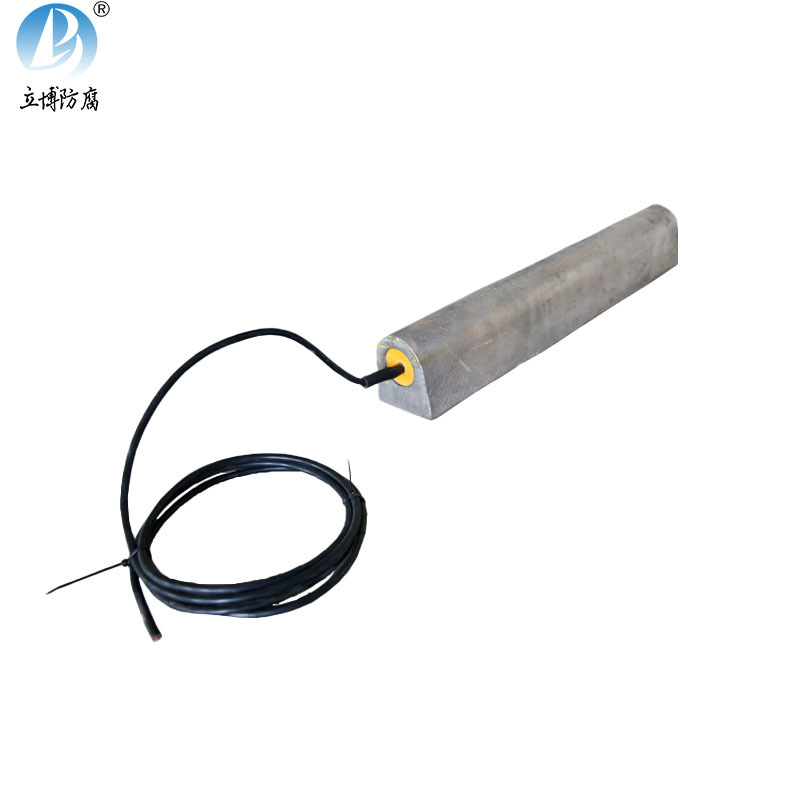
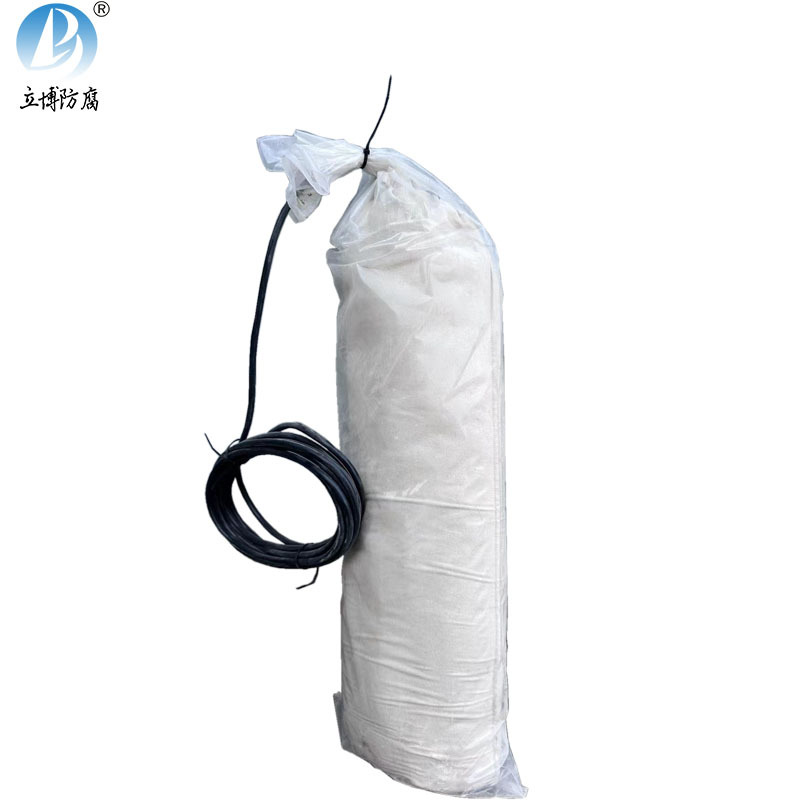
The company's main products: magnesium alloy sacrificial anode series, aluminum alloy sacrificial anode series, zinc alloy sacrificial anode series, and cathodic protection supporting products, such as more than a dozen varieties and hundreds of specifications.


Focus on the development and production of cathodic protection materials

online message
We will contact you within one working day. Please pay attention to your phone or email.