


Understanding Portable Reference Electrodes: A Key Component in Environmental Monitoring
Release time:
2026-02-13
In the realm of environmental monitoring, precision and reliability are vital. One essential component that significantly contributes to these attributes is the portable reference electrode. Portable reference electrodes are designed to provide stable and reproducible reference potentials, which are crucial when measuring electrochemical parameters in various environments. Their portability allows
The primary function of a portable reference electrode is to maintain a constant voltage, which serves as a baseline against which other measurements can be compared. This is particularly important in the context of environmental testing, where factors such as temperature, pH, and ionic strength can vary widely. By utilizing a portable reference electrode, professionals can minimize the influence of these variables on their measurements, leading to more accurate and trustworthy data.
When selecting a portable reference electrode, there are several practical considerations to keep in mind. Firstly, ensure the electrode is compatible with the specific sensors and instruments you are using. Different applications may require specific types of electrodes, such as calomel or silver/silver chloride electrodes. Additionally, consider the electrode's maintenance requirements. Some electrodes may require regular calibration and care to ensure their reliability over time.
Another factor to consider is the environment in which the electrode will be used. Portable reference electrodes should be rugged and resistant to environmental factors, such as moisture, dust, and chemicals, to ensure longevity and consistent performance. Choosing an electrode with a protective housing can significantly enhance its durability, especially in harsh field conditions.
Moreover, the ease of use is an important aspect of portable reference electrodes. Look for designs that facilitate quick setup and operation, allowing field personnel to concentrate on data collection rather than complex procedures. User-friendly designs can also lead to reduced training time for team members who may be less familiar with electrochemical measurements.
In summary, portable reference electrodes play a pivotal role in the accuracy and effectiveness of environmental monitoring instruments. By providing stable reference potentials, these electrodes help mitigate the effects of varying environmental conditions, leading to reliable data collection. When selecting a portable reference electrode, consider compatibility, maintenance, environmental durability, and user-friendliness to ensure optimal performance in your environmental monitoring applications. With thorough understanding and careful selection, professionals can enhance the reliability of their measurements and contribute to a more accurate assessment of environmental conditions.
Key words:
Learn more about industry dynamics
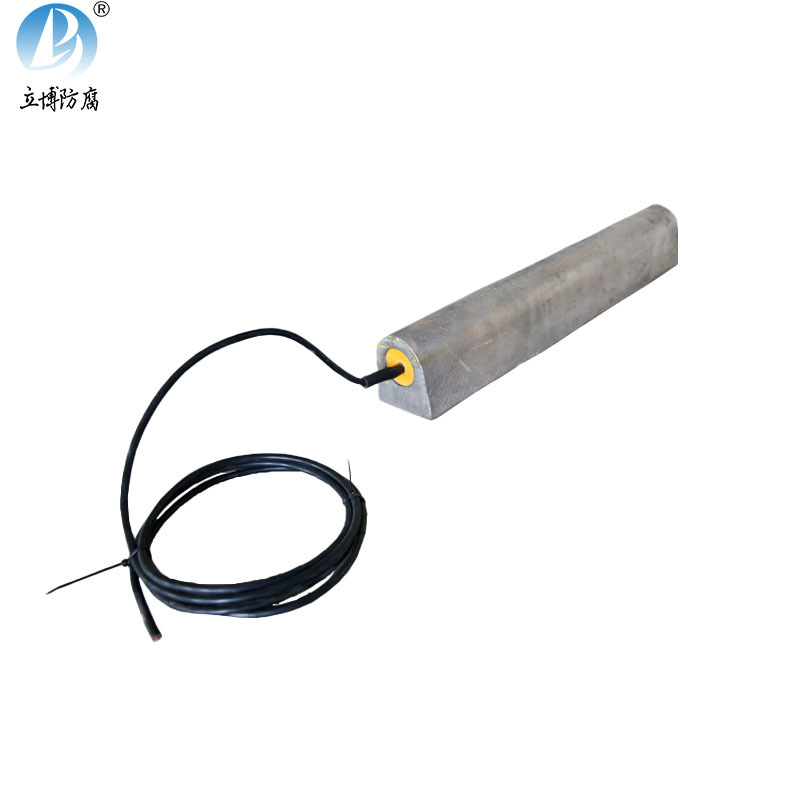
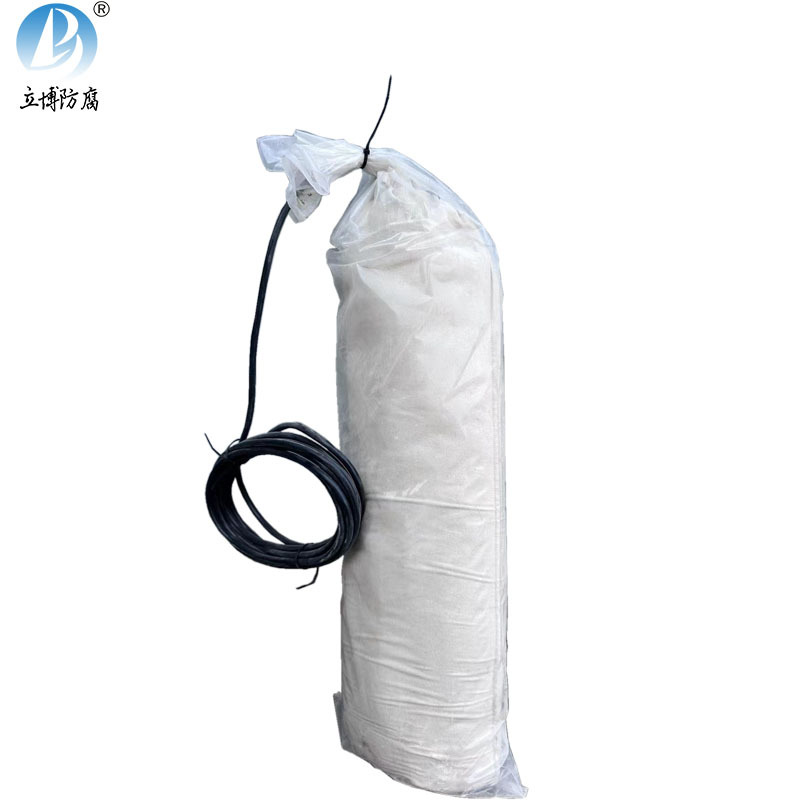
The company's main products: magnesium alloy sacrificial anode series, aluminum alloy sacrificial anode series, zinc alloy sacrificial anode series, and cathodic protection supporting products, such as more than a dozen varieties and hundreds of specifications.


Focus on the development and production of cathodic protection materials

online message
We will contact you within one working day. Please pay attention to your phone or email.