


The Importance of Calibration in Reference Electrodes: Ensuring Accurate Measurements and Reliable Data
Release time:
2026-02-08
The Importance of Calibration in Reference Electrodes Reference electrodes play a crucial role in electrochemical measurements. They serve as a stable and known point of reference against which other electrode potentials can be measured. Ensuring the accuracy of these measurements is essential, particularly in fields such as environmental monitoring, where precise data can significantly impact dec
The Importance of Calibration in Reference Electrodes
Reference electrodes play a crucial role in electrochemical measurements. They serve as a stable and known point of reference against which other electrode potentials can be measured. Ensuring the accuracy of these measurements is essential, particularly in fields such as environmental monitoring, where precise data can significantly impact decision-making. **Calibration** is the process that guarantees the reliability of reference electrodes, making it vital for any laboratory or fieldwork involving electrochemical measurements.
Understanding Reference Electrodes
Reference electrodes are essential components in electrochemical cells. They maintain a constant potential, which allows other electrodes to measure changes in potential accurately. Common types of reference electrodes include:
Common Types of Reference Electrodes
1. Silver/Silver Chloride Electrode (Ag/AgCl)
This widely used reference electrode is known for its stability and ease of preparation. It consists of silver wire coated with silver chloride immersed in a potassium chloride solution.
2. Calomel Electrode
Comprising mercury and mercury(I) chloride, the calomel electrode has been a traditional reference for many electrochemical applications. However, due to environmental concerns regarding mercury, its use is declining.
3. Glass Electrode
Primarily used in pH measurements, glass electrodes can also serve as reference electrodes in specific applications, providing excellent stability and sensitivity.
The Role of Calibration in Reference Electrodes
Calibration is indispensable for ensuring the accuracy and reliability of reference electrodes. Inaccurate electrode readings can lead to erroneous conclusions, which can have far-reaching consequences, particularly in sensitive fields like environmental monitoring.
Why Calibration is Essential
The calibration of reference electrodes is critical for several reasons:
1. Accuracy in Measurement
Calibration ensures that the reference potential is accurate. Without proper calibration, the measurements taken can be significantly off, leading to faulty data interpretation.
2. Consistency Across Measurements
Regular calibration helps maintain consistency in measurements over time, allowing for reliable comparisons and evaluations. This consistency is particularly important in longitudinal studies where data must be compared across different time periods.
3. Compliance with Standards
In many industries, compliance with regulatory standards is mandatory. Calibration of reference electrodes ensures adherence to these standards, which is crucial for maintaining certification and operational licenses.
4. Enhanced Instrument Longevity
Regular calibration can help extend the life of electrochemical instruments. By identifying and correcting issues early, operators can ensure that their equipment remains in good working condition.
The Calibration Process
Calibrating a reference electrode involves several steps that must be carried out with precision.
Step 1: Preparation
Before calibration, ensure that the reference electrode is clean and functioning correctly. Rinse the electrode with distilled water and dry it gently.
Step 2: Selecting the Calibration Solution
Choose a suitable calibration solution that matches the intended measurement environment. For instance, if calibrating an Ag/AgCl electrode, a potassium chloride solution should be used.
Step 3: Performing the Calibration
Immerse the reference electrode in the calibration solution and allow it to equilibrate. Measure the potential with a high-impedance voltmeter. This process should be repeated with different known standards to verify the accuracy of the electrode across a range of conditions.
Step 4: Documentation
Record the calibration results meticulously. This documentation is essential for maintaining compliance and ensuring the integrity of future measurements.
Best Practices for Calibration
To maximize the effectiveness of calibration, consider the following best practices:
1. Regular Calibration Schedule
Implement a routine calibration schedule based on the frequency of use and the critical nature of the measurements being taken.
2. Use High-Quality Standards
Always use high-quality calibration standards that are traceable to national or international standards to ensure reliability.
3. Maintain Clean Equipment
Ensure that all equipment is clean and free from contaminants to avoid interference with measurement readings.
4. Environmental Controls
Conduct calibration in controlled environmental conditions. Temperature and humidity can significantly affect measurements, so it is crucial to minimize their impact.
5. Training and Awareness
Ensure that personnel involved in the calibration process are adequately trained. Understanding the importance of calibration and its procedures enhances overall measurement accuracy.
Challenges in Calibration
While calibration is essential, it is not without its challenges.
1. Environmental Factors
Temperature fluctuations and humidity can affect the stability of reference electrodes, leading to drift in measurements.
2. Aging of Electrodes
Over time, reference electrodes may degrade, resulting in inaccurate measurements. Regular inspection and replacement are essential for maintaining accuracy.
3. Human Error
Calibration is a meticulous process that requires precision. Human error can lead to significant discrepancies in measurement, making it vital to follow established protocols closely.
Technological Advances in Calibration
Advancements in technology have introduced innovative methods and tools for calibrating reference electrodes more efficiently and accurately.
1. Automated Calibration Systems
These systems can reduce human error and enhance consistency. They often utilize software to track and document calibration results, ensuring compliance with standards.
2. Real-time Monitoring
Modern electrodes equipped with sensors can provide real-time data on their performance, allowing for proactive calibration and maintenance.
3. Improved Materials
New materials for reference electrodes are being developed to enhance stability and reduce the effects of environmental factors, further improving measurement accuracy.
FAQs About Calibration in Reference Electrodes
1. How often should reference electrodes be calibrated?
It is typically recommended to calibrate reference electrodes before each use or at regular intervals depending on the frequency of measurements.
2. What is the shelf life of a reference electrode?
The shelf life varies significantly based on the type of electrode and storage conditions. Most electrodes should be checked regularly for performance.
3. Can I use tap water for rinsing reference electrodes?
No, it's best to use distilled or deionized water to prevent contamination and ensure accuracy in measurements.
4. What should I do if my reference electrode is not producing stable readings?
If stability issues arise, check for contamination or degradation. Recalibrate or replace the electrode if necessary.
5. Are there specific calibration solutions for different types of reference electrodes?
Yes, each type of reference electrode requires specific calibration solutions. Always refer to the manufacturer's guidelines for best practices.
Conclusion
In conclusion, the **importance of calibration in reference electrodes** cannot be overstated. It is a fundamental aspect of ensuring reliable, accurate measurements that can drive informed decision-making in various fields, particularly environmental monitoring. By adhering to best practices in calibration, utilizing advanced technologies, and understanding the challenges involved, professionals can enhance the integrity of their electrochemical measurements significantly. The future of accurate environmental monitoring relies on our commitment to meticulous calibration processes, ensuring that the data we collect is not just numbers, but reliable information that can help us understand and protect our world better.
Key words:
Learn more about industry dynamics
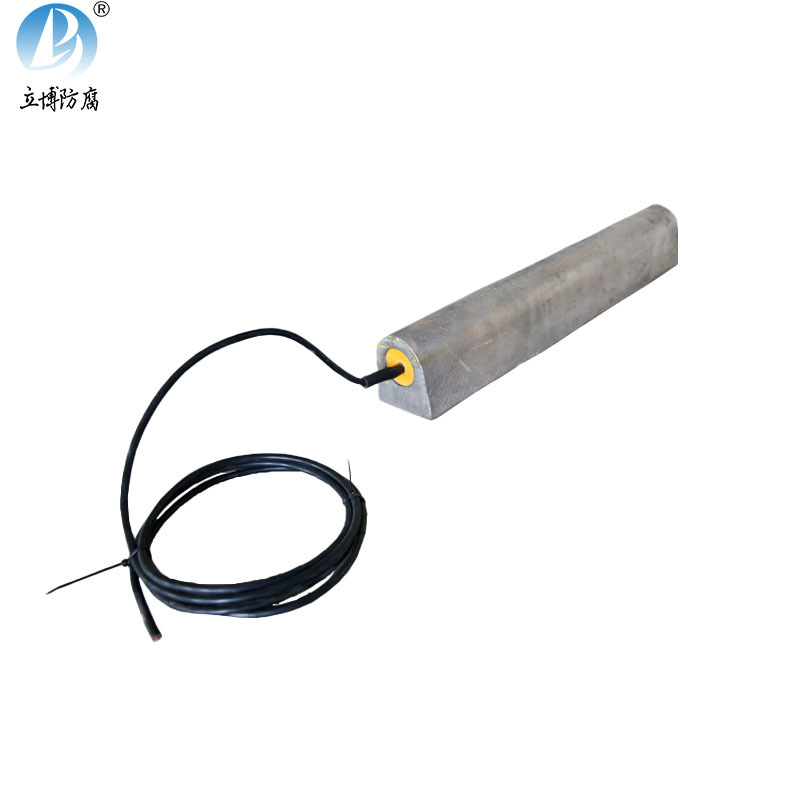
The company's main products: magnesium alloy sacrificial anode series, aluminum alloy sacrificial anode series, zinc alloy sacrificial anode series, and cathodic protection supporting products, such as more than a dozen varieties and hundreds of specifications.



Focus on the development and production of cathodic protection materials

online message
We will contact you within one working day. Please pay attention to your phone or email.