


Top Reasons to Use Aluminum Anodes in Your Building Materials
Release time:
2026-01-15
Top Reasons to Use Aluminum Anodes in Your Building Materials Building materials must withstand various environmental factors, including moisture, temperature fluctuations, and chemical exposure. One of the most effective ways to enhance the longevity and performance of these materials is through the incorporation of aluminum anodes. This article delves deep into the **top reasons to use aluminum
Top Reasons to Use Aluminum Anodes in Your Building Materials
Building materials must withstand various environmental factors, including moisture, temperature fluctuations, and chemical exposure. One of the most effective ways to enhance the longevity and performance of these materials is through the incorporation of aluminum anodes. This article delves deep into the **top reasons to use aluminum anodes in your building materials**, exploring their benefits, functionality, and practical applications.
1. Understanding Aluminum Anodes
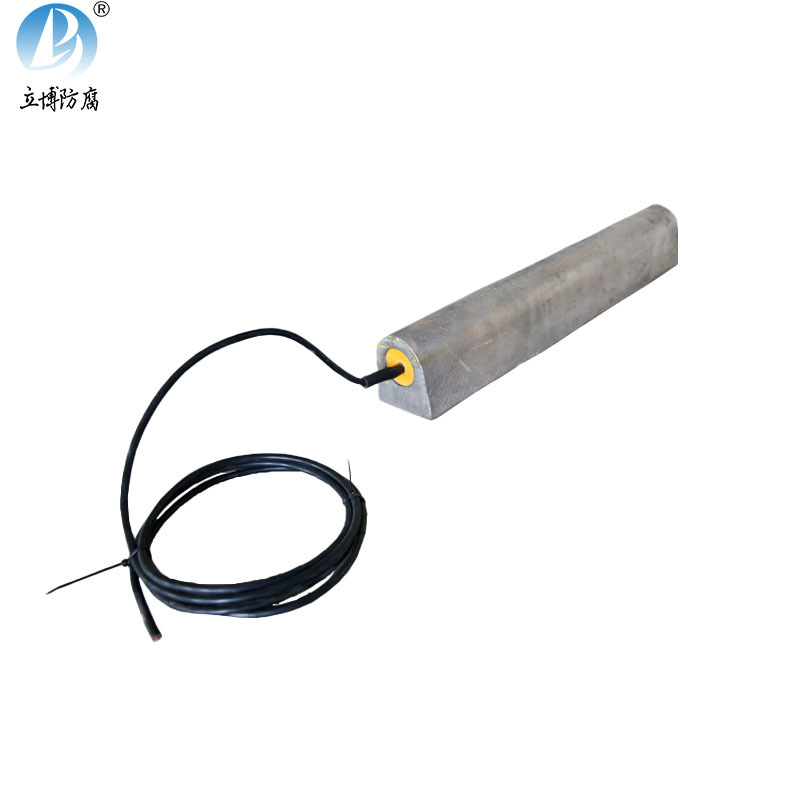
Aluminum anodes are sacrificial anodes made primarily from aluminum alloy. Their main function is to prevent corrosion on metal surfaces by diverting corrosive elements away from the primary material. In environments where water, salt, and other corrosive agents are present, the use of aluminum anodes becomes particularly advantageous.
1.1 What Are Sacrificial Anodes?
Sacrificial anodes are designed to corrode in the place of more critical metals, effectively protecting them from damage. When aluminum anodes are exposed to a corrosive environment, they oxidize and corrode before the underlying material can deteriorate. This process is crucial in ensuring the longevity of various building structures.
1.2 The Composition of Aluminum Anodes
Aluminum anodes are typically composed of aluminum alloys mixed with zinc or magnesium. These alloys are selected for their enhanced performance in corrosive environments while maintaining a lightweight profile. The specific composition can vary depending on the intended application and the environmental conditions.
2. Benefits of Using Aluminum Anodes
The advantages of aluminum anodes extend beyond mere corrosion prevention. They offer a range of benefits that can significantly enhance the lifespan and functionality of building materials.
2.1 Corrosion Resistance
Corrosion is one of the most significant threats to building materials. Aluminum anodes effectively combat this issue by corroding in place of more valuable metals. This natural process not only preserves the integrity of the primary material but also reduces the need for costly repairs and replacements.
2.2 Lightweight and Easy to Install
Aluminum is known for its lightweight properties, making aluminum anodes easy to transport and install. This feature can significantly reduce labor costs and installation time, making them an economically viable option for construction projects.
2.3 Versatility in Applications
Aluminum anodes are versatile and can be used in various settings, including:
- Marine environments (boats, piers)
- Water treatment facilities
- Underground pipelines
- Building foundations and structural components
This versatility allows builders to incorporate aluminum anodes in multiple projects, ensuring consistent protection against corrosion.
3. Enhancing Durability with Aluminum Anodes
Incorporating aluminum anodes into building materials translates into enhanced durability and longevity. Structures built with aluminum anodes can withstand harsh environmental conditions, maintaining their integrity over time.
3.1 Long-Term Cost Savings
While there is an initial investment in aluminum anodes, the long-term cost savings are significant. By preventing corrosion, these anodes reduce the likelihood of structural damage, thus lowering maintenance and repair expenses.
3.2 Improved Safety Standards
Corrosion can lead to structural failures, posing safety risks. By using aluminum anodes, builders can ensure that their structures remain safe and compliant with industry standards. This focus on safety not only protects occupants but also reduces liability for builders.
4. Environmental Considerations
As the construction industry shifts toward more sustainable practices, aluminum anodes present an environmentally friendly solution. Their role in corrosion prevention reduces waste and resource consumption in the long run.
4.1 Eco-Friendly Material Selection
Aluminum is a highly recyclable material, making aluminum anodes an eco-friendly choice. When they reach the end of their useful life, they can be recycled, minimizing landfill waste and supporting sustainability efforts in construction.
4.2 Reducing Chemical Usage
Using aluminum anodes can also minimize the reliance on harmful chemical treatments that are often employed to combat corrosion. This shift not only benefits the environment but also promotes healthier working conditions for construction workers.
5. How to Choose the Right Aluminum Anode
Selecting the appropriate aluminum anode for your building materials is crucial to maximizing their protective benefits. Several factors should be considered during this process.
5.1 Assessing Environmental Conditions
Understanding the specific environmental conditions your materials will be subjected to is vital. Factors like salinity, pH, and moisture levels can influence the effectiveness of different aluminum anodes.
5.2 Evaluating Material Compatibility
Ensure that the aluminum anodes you choose are compatible with the metals used in your construction. Compatibility is essential to avoid galvanic corrosion, which can undermine the protective benefits of the anodes.
5.3 Consulting with Experts
It can be beneficial to consult with industry experts or suppliers who specialize in aluminum anodes. Their knowledge can lead to better-informed decisions, ensuring optimal protection for your building materials.
6. Installation and Maintenance of Aluminum Anodes
Proper installation and maintenance of aluminum anodes are critical to their performance. Understanding the best practices can further enhance their protective capabilities.
6.1 Installation Techniques
Aluminum anodes should be installed according to manufacturer specifications. Common installation methods include:
- Direct attachment to the metal surface
- Integration into the structure during construction
- Regular monitoring and replacement as needed
6.2 Routine Inspections
Routine inspections are necessary to assess the condition of aluminum anodes. During these inspections, look for signs of significant corrosion or damage that may indicate the need for replacement.
6.3 Replacement Guidelines
Replacement of aluminum anodes should occur based on the degree of corrosion observed during inspections. Regular replacements ensure that your building materials continue to receive optimal protection over their lifespan.
7. Common Applications of Aluminum Anodes in Construction
Aluminum anodes are widely used in various construction applications, providing effective corrosion protection.
7.1 Marine Structures
Marine structures, including docks and piers, benefit significantly from aluminum anodes due to their exposure to saltwater environments. The anodes help protect steel and other metals from rapid corrosion.
7.2 Water Treatment Facilities
Water treatment facilities often utilize aluminum anodes to prevent corrosion in tanks and pipes. This application helps maintain the integrity of these critical systems, ensuring safe and clean water supply.
7.3 Foundations and Structural Components
In building foundations and other structural components, aluminum anodes serve as a preventive measure against corrosion. This application is especially important in areas with high moisture levels or aggressive soil conditions.
8. FAQs About Aluminum Anodes in Building Materials
8.1 What is the lifespan of aluminum anodes?
The lifespan of aluminum anodes can vary but usually lasts anywhere from 3 to 5 years, depending on environmental conditions and installation methods.
8.2 Are aluminum anodes suitable for all types of metal?
Aluminum anodes are most effective when used with metals like steel and iron. However, their compatibility should always be assessed to prevent galvanic corrosion.
8.3 How do I know when to replace my aluminum anodes?
Routine inspections should be conducted to assess the condition of aluminum anodes. If significant corrosion is observed or if the anode is more than 50% depleted, replacement is necessary.
8.4 Can aluminum anodes be recycled?
Yes, aluminum anodes are recyclable, making them an environmentally friendly option for construction projects.
8.5 What are the costs associated with aluminum anodes?
While initial costs can vary based on quality and size, the long-term savings associated with reduced maintenance and repairs often outweigh these upfront expenses.
Conclusion
Incorporating aluminum anodes into your building materials is a proactive approach to combating corrosion and enhancing the longevity of structures. Their unique properties, lightweight nature, and environmental benefits make them an ideal choice for various applications in the construction industry. By understanding the advantages and best practices associated with aluminum anodes, builders can ensure their projects meet high standards of safety, durability, and sustainability. Investing in aluminum anodes not only protects your materials but also contributes to a greener future in construction.
Key words:
Learn more about industry dynamics
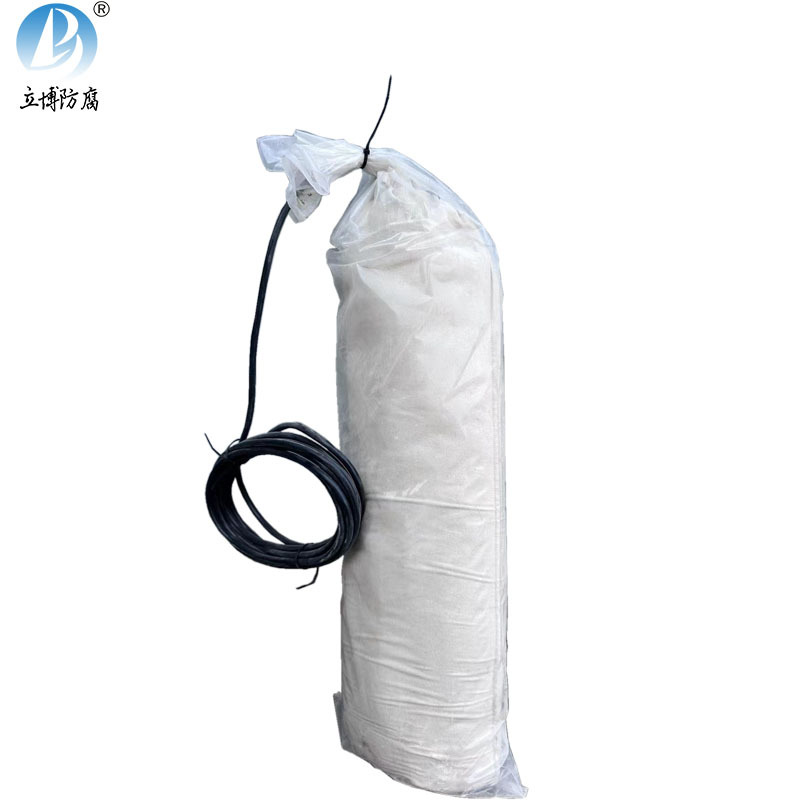
The company's main products: magnesium alloy sacrificial anode series, aluminum alloy sacrificial anode series, zinc alloy sacrificial anode series, and cathodic protection supporting products, such as more than a dozen varieties and hundreds of specifications.


Focus on the development and production of cathodic protection materials

online message
We will contact you within one working day. Please pay attention to your phone or email.