


Understanding Deep Well Anodes: A Key Component for Corrosion Prevention in Construction
Release time:
2025-12-30
Deep well anodes play a crucial role in the protection of underground structures and pipelines from corrosion, which is a significant concern in construction and decorative materials, particularly in the realm of functional and protective coatings. Corrosion can lead to structural failures, safety hazards, and increased maintenance costs. By employing deep well anodes, professionals can enhance th
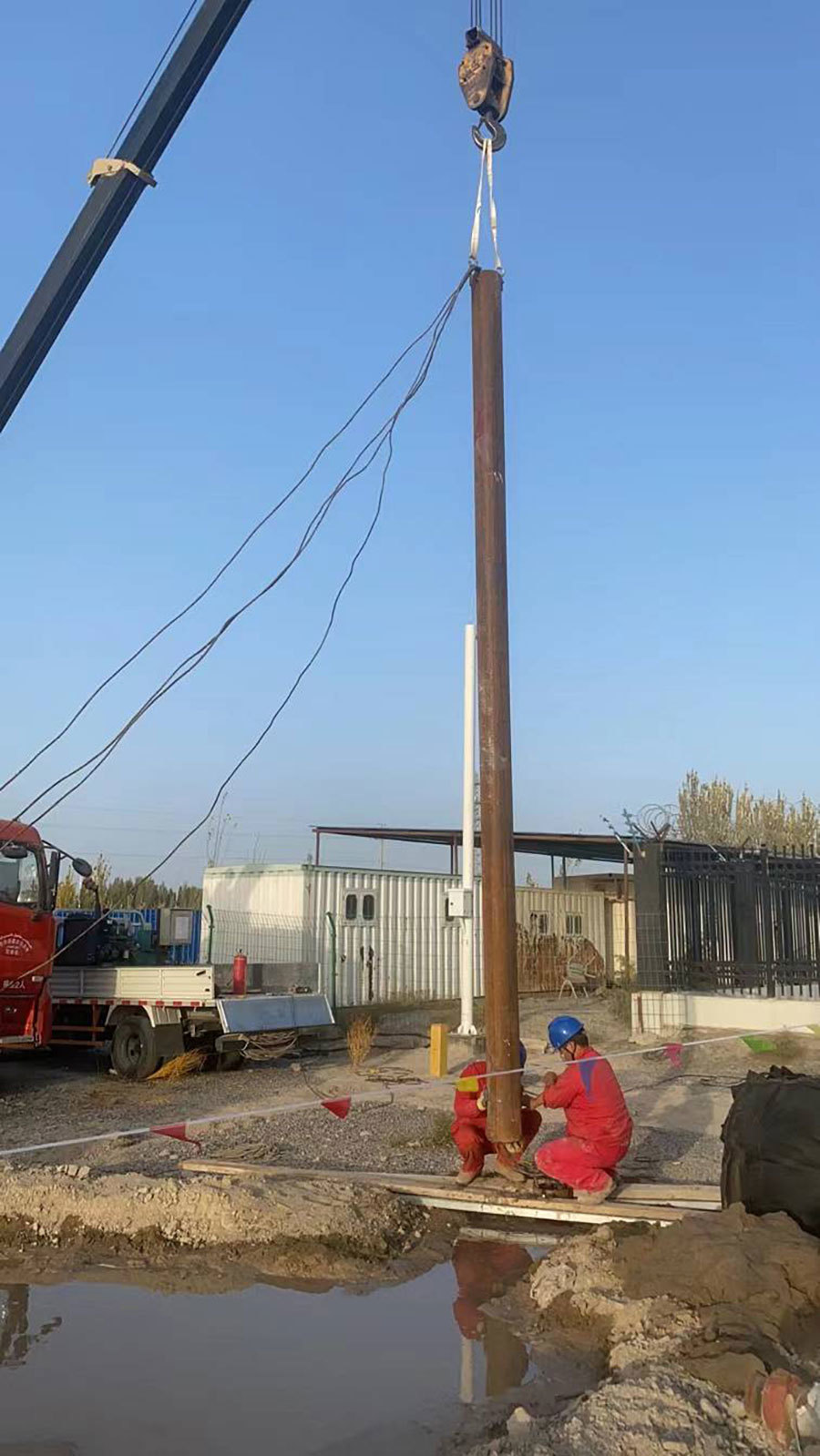
A deep well anode is typically a long, tubular structure designed to be installed vertically into the ground, where it serves as a cathodic protection system. This system works by providing a source of direct current that helps to prevent corrosion on metal surfaces. When installed, the anode is connected to a power supply, which generates a flow of electrons that effectively protects metallic components from electrochemical reactions with the surrounding environment.
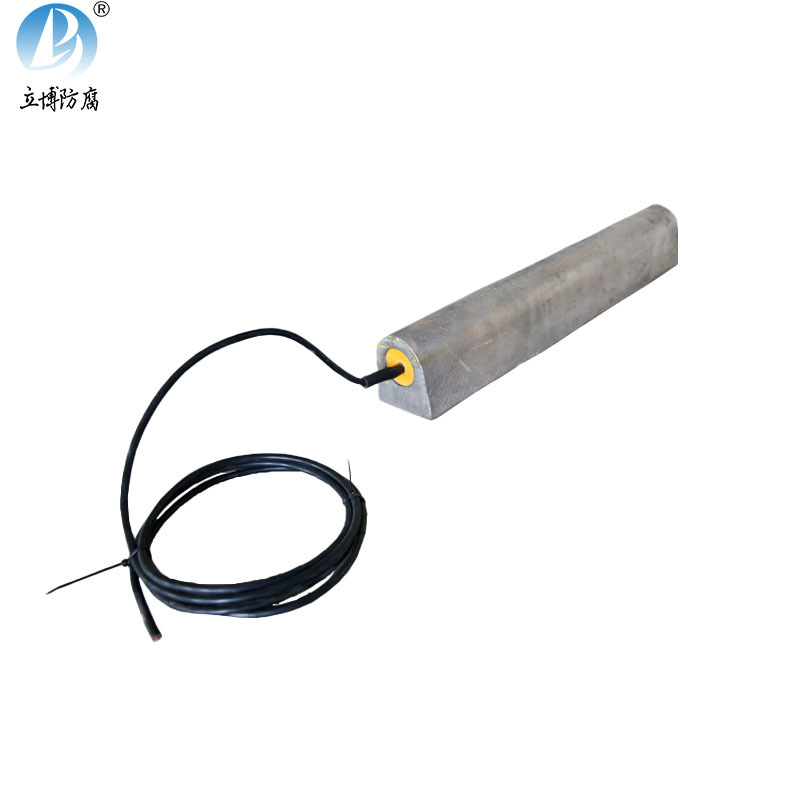
The materials used for deep well anodes are critical. They are often composed of high-purity metals, such as magnesium, zinc, or aluminum, each chosen based on site-specific conditions, including soil composition, moisture levels, and the presence of electrolytic solutions. Understanding these variables is essential for selecting the right deep well anode to maximize its effectiveness and lifespan.
In addition to preventing corrosion, deep well anodes offer several practical benefits for construction projects. Their installation is relatively straightforward, allowing for minimal disruption to existing structures or landscapes. Moreover, due to their subterranean placement, they are less susceptible to environmental factors that can affect surface-mounted anodes, such as mechanical damage or exposure to extreme weather conditions.
The application of deep well anodes extends beyond mere protection of pipelines and structural foundations. They are also employed in various sectors, including water treatment plants, oil and gas industries, and even renewable energy infrastructure like wind farms. This versatility underscores their importance in modern construction practices, making them an indispensable part of corrosion management strategies.
In conclusion, deep well anodes are vital components for ensuring the durability and integrity of construction materials and structures. By effectively mitigating corrosion risks, they contribute to the overall success and sustainability of building projects. For professionals in the construction and decorative materials industry, understanding deep well anodes and their application can lead to informed decisions that enhance project outcomes and reduce long-term costs.
Key words:
Learn more about industry dynamics
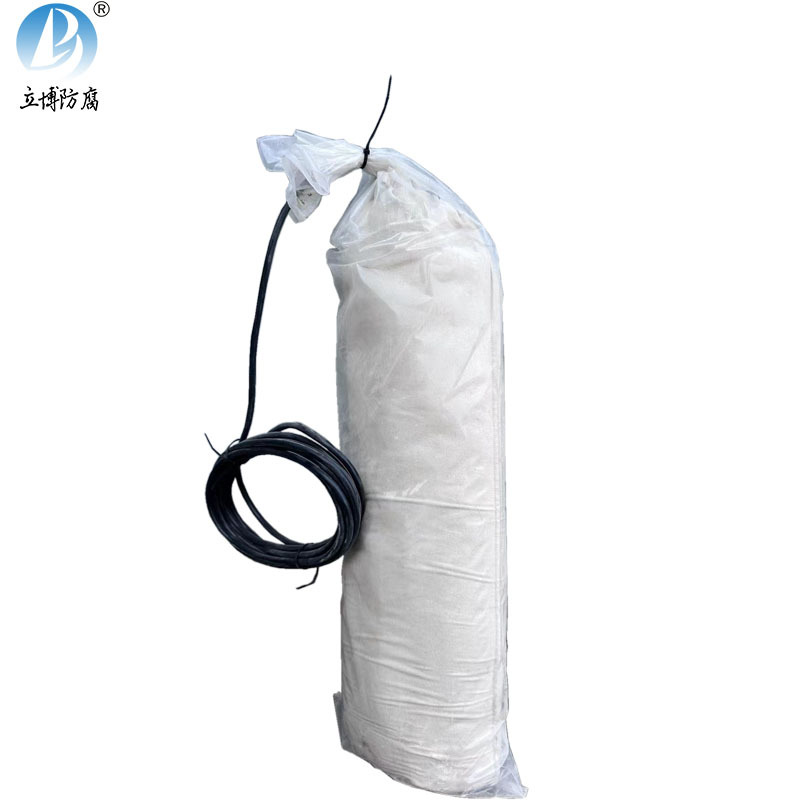
The company's main products: magnesium alloy sacrificial anode series, aluminum alloy sacrificial anode series, zinc alloy sacrificial anode series, and cathodic protection supporting products, such as more than a dozen varieties and hundreds of specifications.


Focus on the development and production of cathodic protection materials

online message
We will contact you within one working day. Please pay attention to your phone or email.