


Protecting Your Infrastructure: The Importance of High Potential Magnesium Anodes
Release time:
2025-12-24
Protecting Your Infrastructure: The Importance of High Potential Magnesium Anodes Table of Contents 1. Introduction 2. Understanding Corrosion and Its Effects on Infrastructure 3. What Are High Potential Magnesium Anodes? 4. Benefits of Using High Potential Magnesium Anodes 5. How High Potential Magnesium Anodes Work 6. Applications of High Potential Magnesium Anodes in Constructi
Protecting Your Infrastructure: The Importance of High Potential Magnesium Anodes
Table of Contents
- 1. Introduction
- 2. Understanding Corrosion and Its Effects on Infrastructure
- 3. What Are High Potential Magnesium Anodes?
- 4. Benefits of Using High Potential Magnesium Anodes
- 5. How High Potential Magnesium Anodes Work
- 6. Applications of High Potential Magnesium Anodes in Construction
- 7. Choosing the Right High Potential Magnesium Anodes for Your Infrastructure
- 8. Common Issues with Magnesium Anodes and Solutions
- 9. Conclusion
- 10. Frequently Asked Questions
1. Introduction
In the construction and decoration industries, ensuring the longevity and durability of materials is paramount. Corrosion is one of the most significant challenges that infrastructure faces, particularly for metal components exposed to harsh environmental conditions. To combat this issue, high potential magnesium anodes have emerged as a reliable solution. This article delves into the intricate details of these anodes, how they work, and their indispensable role in infrastructure protection.
2. Understanding Corrosion and Its Effects on Infrastructure
Corrosion is a natural process that affects various metals and materials, leading to deterioration and eventual failure. The economic impact of corrosion is staggering, costing industries billions each year due to maintenance, repairs, and replacements. Corrosion rates can be exacerbated by environmental factors such as moisture, salinity, and pollutants. Understanding these factors is crucial for implementing effective protective measures.
Corrosion can manifest in numerous forms, including:
- Uniform Corrosion: Even deterioration across the surface.
- Pitting Corrosion: Localized attacks leading to small holes.
- Galvanic Corrosion: Occurs when two different metals are in contact in a conductive environment.
- Crevice Corrosion: Happens in tight spaces where water can become trapped.
These corrosion types can lead to structural weaknesses, resulting in hazardous failures if left unaddressed. Thus, employing effective preventive measures, such as high potential magnesium anodes, is essential.
3. What Are High Potential Magnesium Anodes?
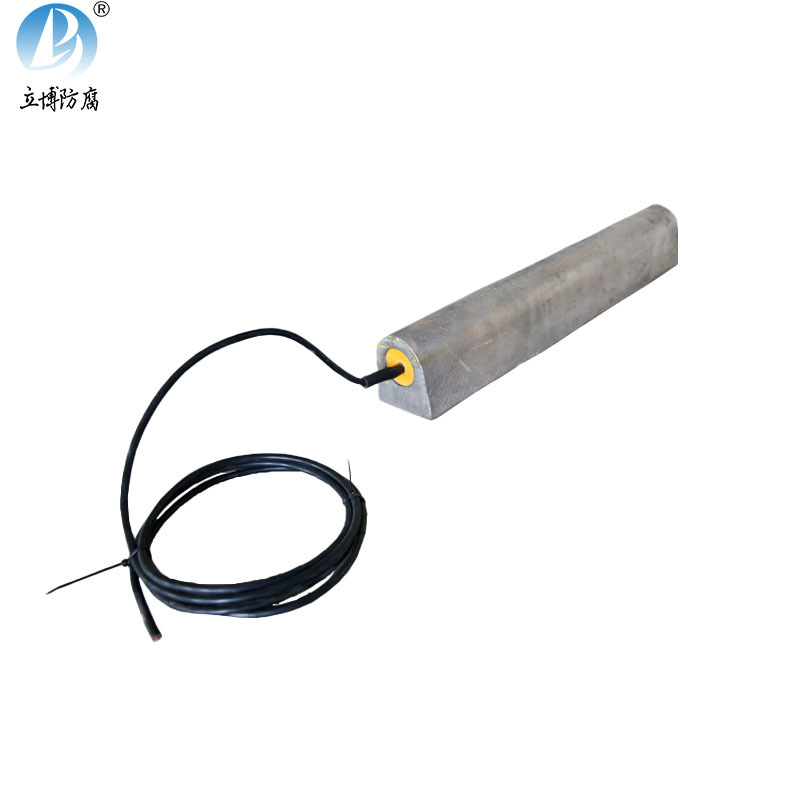
High potential magnesium anodes are sacrificial anodes made from high-purity magnesium, designed to protect metal structures from corrosion. They function by corroding themselves in place of the metal they are intended to protect, effectively extending the lifespan of critical infrastructure.
These anodes are particularly suitable for environments where traditional methods may be insufficient, including marine structures, pipelines, and underground tanks. Their high driving potential allows them to deliver superior protection, ensuring that the metal structures remain intact over time.
4. Benefits of Using High Potential Magnesium Anodes
The use of high potential magnesium anodes comes with numerous benefits, making them a popular choice for infrastructure protection. Here are some notable advantages:
4.1 Enhanced Corrosion Protection
High potential magnesium anodes provide excellent corrosion protection, reducing the deterioration rate of metal structures significantly.
4.2 Cost-Effectiveness
Though initial costs may vary, the long-term savings associated with reduced maintenance and replacement expenses make magnesium anodes a cost-effective solution.
4.3 Versatility
These anodes can be used in various applications, including marine environments, soil, and concrete, making them versatile for different infrastructure projects.
4.4 Environmentally Friendly
Magnesium is a naturally abundant resource, and its use as a sacrificial anode minimizes the environmental impact compared to traditional protective coatings.
4.5 Easy Installation
Installing high potential magnesium anodes is a straightforward process, requiring minimal technical expertise, which allows for quick deployment.
5. How High Potential Magnesium Anodes Work
The mechanism behind high potential magnesium anodes is based on electrochemistry. When a magnesium anode is connected to a metallic structure, it creates a galvanic cell. The anode, being more reactive, will corrode at a faster rate than the metal it protects, thus sacrificing itself to protect the more valuable structure.
This sacrificial process involves several steps:
- Corrosion Reaction: The magnesium anode reacts with moisture and electrolytes, dissolving into magnesium ions.
- Current Flow: The dissolution of magnesium generates electrons, which flow to the protected metal structure, creating a protective cathodic reaction.
- Protection of Metal: The metal structure receives the electrons, reducing its oxidation rate and inhibiting further corrosion.
The effectiveness of high potential magnesium anodes depends on factors such as the anode's electrical potential and the environmental conditions surrounding the installation.
6. Applications of High Potential Magnesium Anodes in Construction
High potential magnesium anodes have a wide range of applications throughout the construction and infrastructure sectors. Some notable uses include:
6.1 Marine Structures
In coastal regions, marine structures like piers, docks, and ship hulls are highly susceptible to corrosion due to saltwater exposure. Installing magnesium anodes protects these structures from premature failure.
6.2 Underground Pipelines
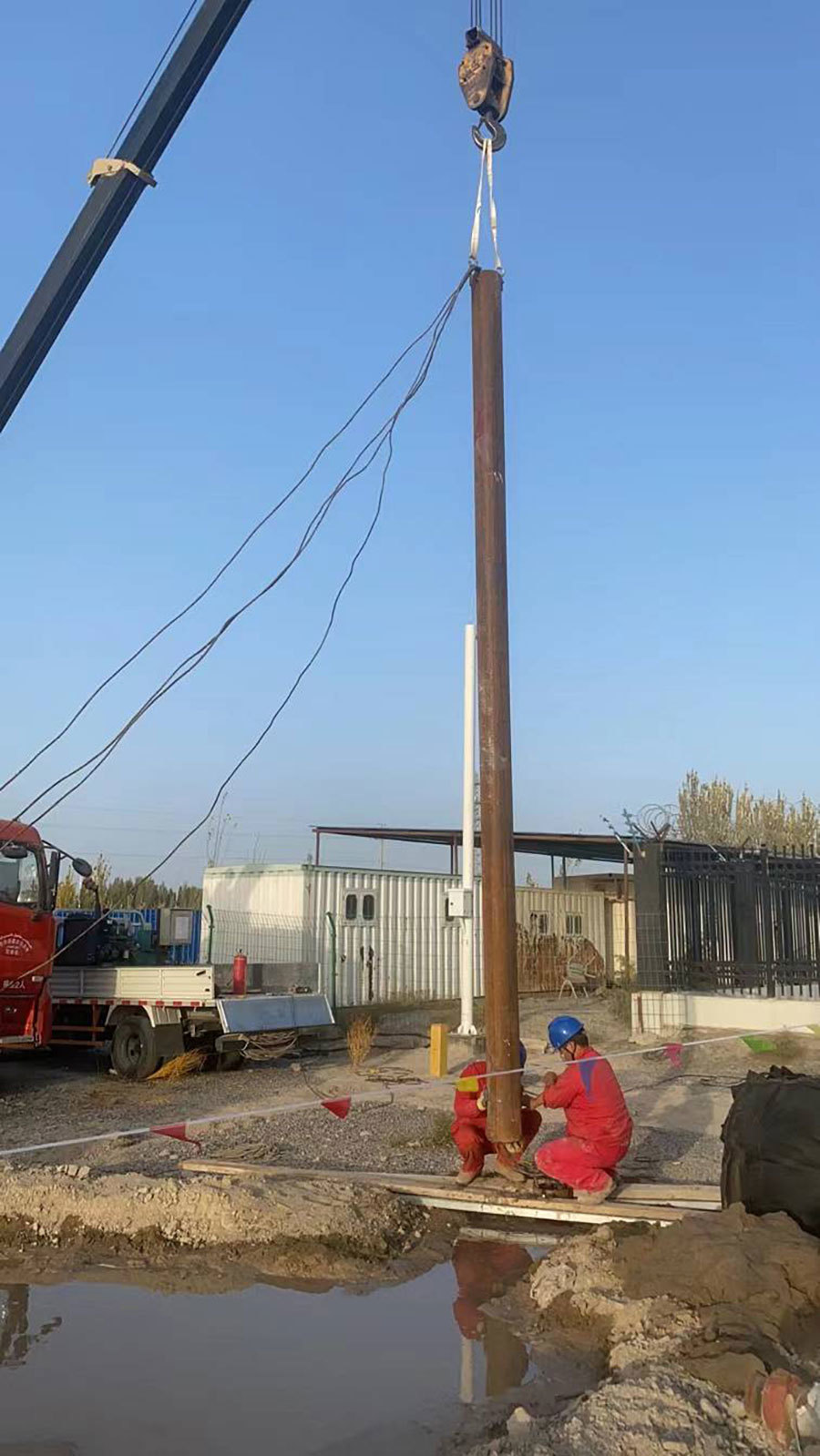
Underground pipelines often face corrosion from soil and moisture. Magnesium anodes are used to provide continuous protection, extending the service life of these crucial components.
6.3 Reinforced Concrete
In concrete structures, magnesium anodes can be embedded to protect reinforcing steel from corrosion, which can lead to cracks and structural weakening.
6.4 Water Tanks
Water storage tanks benefit from the installation of magnesium anodes, preventing corrosion that could contaminate the water supply and compromise the tank's integrity.
6.5 Oil and Gas Industries
In the oil and gas sector, high potential magnesium anodes are integral in protecting pipelines and storage facilities from corrosive environments, ensuring safe and efficient operations.
7. Choosing the Right High Potential Magnesium Anodes for Your Infrastructure
Selecting the appropriate magnesium anodes is crucial for optimal performance. Consider the following factors:
7.1 Environmental Conditions
Analyze the specific environmental conditions where the anodes will be used, such as soil composition, salinity, and moisture levels.
7.2 Application Requirements
Determine the specific needs of your application, including the type of metal being protected and the expected lifespan of the infrastructure.
7.3 Compatibility
Ensure that the magnesium anodes are compatible with the materials and coatings used in your infrastructure to avoid adverse reactions.
7.4 Manufacturer Specifications
Always refer to the manufacturer's specifications and recommendations for installation and maintenance to guarantee maximum efficacy.
8. Common Issues with Magnesium Anodes and Solutions
While high potential magnesium anodes are effective, certain issues may arise. Understanding these challenges and their solutions can enhance their performance:
8.1 Anode Consumption Rates
Overly rapid consumption of magnesium anodes can occur in aggressive environments. Regular monitoring and timely replacements can mitigate this issue.
8.2 Poor Electrical Connectivity
Improper connections can lead to insufficient protection. Ensuring solid and corrosion-free connections will improve the efficiency of the anodes.
8.3 Environmental Factors
Variations in temperature and salinity can impact anode performance. Regular assessments can help adjust strategies to maintain optimal protection levels.
8.4 Selection of Anode Size
Choosing an anode that is too small may lead to inadequate protection. Proper calculations based on the surface area and environmental conditions are essential for optimal size selection.
9. Conclusion
High potential magnesium anodes play a crucial role in protecting our infrastructure from the detrimental effects of corrosion. Their unique properties and benefits make them an ideal choice for various applications, ensuring longevity and reducing maintenance costs. By understanding how to select and implement these anodes effectively, stakeholders in the construction and decoration industries can enhance the durability of their projects and minimize economic losses due to corrosion.
10. Frequently Asked Questions
Q1: How long do high potential magnesium anodes last?
A: The lifespan of magnesium anodes varies based on environmental conditions and application. Typically, they can last anywhere from 2 to 5 years.
Q2: Can I use magnesium anodes in freshwater?
A: Yes, magnesium anodes are effective in freshwater applications, although the consumption rate may differ from saline environments.
Q3: What is the recommended installation depth for magnesium anodes?
A: The installation depth depends on several factors, including soil type and moisture levels. A depth of 2-3 feet is often recommended for optimal performance.
Q4: Are there any environmental concerns with using magnesium anodes?
A: Magnesium is considered environmentally friendly. However, proper disposal of spent anodes is essential to prevent any potential impact.
Q5: How do I know when to replace my magnesium anodes?
A: Regular inspections should be conducted to check the anode's condition. Signs of significant wear or corrosion indicate it’s time for replacement.
Key words:
Learn more about industry dynamics
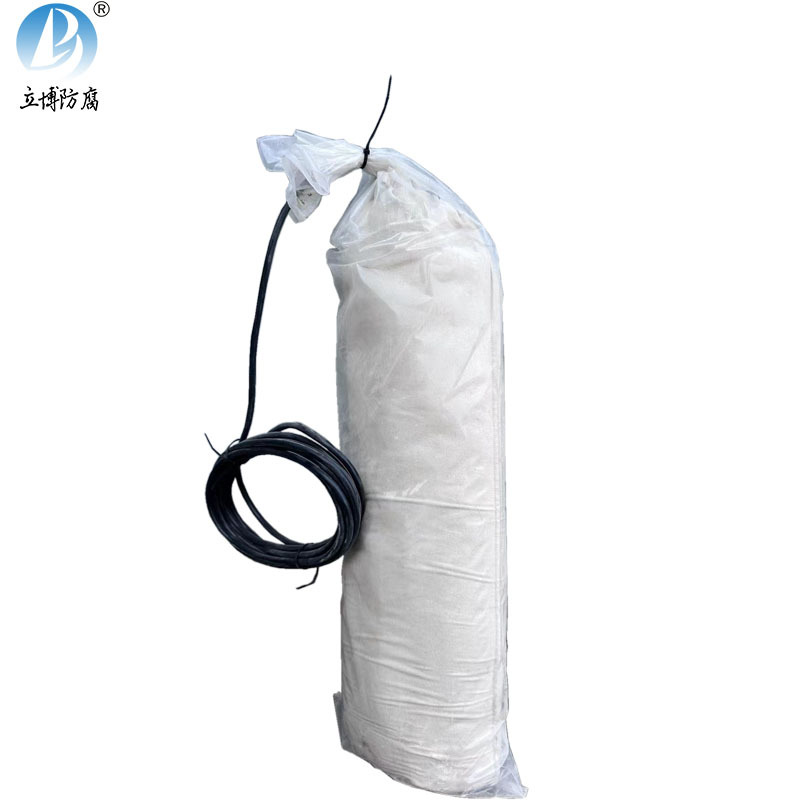
The company's main products: magnesium alloy sacrificial anode series, aluminum alloy sacrificial anode series, zinc alloy sacrificial anode series, and cathodic protection supporting products, such as more than a dozen varieties and hundreds of specifications.


Focus on the development and production of cathodic protection materials

online message
We will contact you within one working day. Please pay attention to your phone or email.