


Exploring the Benefits and Applications of Portable Reference Electrodes in Environmental Monitoring
Release time:
2025-08-02
--- Portable reference electrodes play a crucial role in the field of environmental monitoring, particularly when it comes to measuring electrochemical parameters in various aqueous samples. These electrodes serve as a stable reference point against which the potential of the working electrode can be measured, ensuring accurate and reproducible results. This is particularly vital in applications s
Portable reference electrodes play a crucial role in the field of environmental monitoring, particularly when it comes to measuring electrochemical parameters in various aqueous samples. These electrodes serve as a stable reference point against which the potential of the working electrode can be measured, ensuring accurate and reproducible results. This is particularly vital in applications such as groundwater analysis, wastewater treatment, and soil testing, where precise measurements are necessary for effective environmental management.
One of the key advantages of portable reference electrodes is their mobility. Unlike traditional reference electrodes, which are often bulky and suited for laboratory use, portable models are designed to be lightweight and easy to transport. This means that environmental professionals can conduct measurements in the field without the need for extensive setup or laboratory equipment. The ability to obtain real-time data in various locations allows for more proactive decision-making in environmental assessments.
When selecting a portable reference electrode, it is important to consider factors such as compatibility with the specific conditions of the environment being tested. Various designs are available, including silver/silver chloride and saturated calomel electrodes, each with its own set of advantages based on the environment and type of analysis being conducted. For example, silver/silver chloride electrodes are often preferred for their stability and ease of use in diverse conditions.
Additionally, the integration of portable reference electrodes with online monitoring systems enhances the efficiency and accuracy of data collection. By continuously monitoring electrochemical parameters, users can track changes over time, identify trends, and make informed decisions regarding environmental management strategies. The real-time data provided by these systems can be invaluable for regulatory compliance, site remediation efforts, and the overall assessment of environmental health.
Another important aspect to consider is the maintenance of portable reference electrodes. Regular calibration and proper storage are essential to ensure their longevity and reliability. Users should follow best practices for maintenance to avoid potential drift in measurements, which could compromise data quality. This includes cleaning the electrode after use and ensuring that it is stored in an appropriate solution when not in use.
In conclusion, portable reference electrodes are an indispensable tool in the arsenal of environmental monitoring professionals. Their mobility, compatibility with various environments, and ability to integrate with online monitoring systems make them vital for accurate and efficient data collection. By understanding the benefits and proper usage of portable reference electrodes, professionals in the field can enhance their monitoring capabilities and contribute to more effective environmental management practices.
Key words:
Learn more about industry dynamics
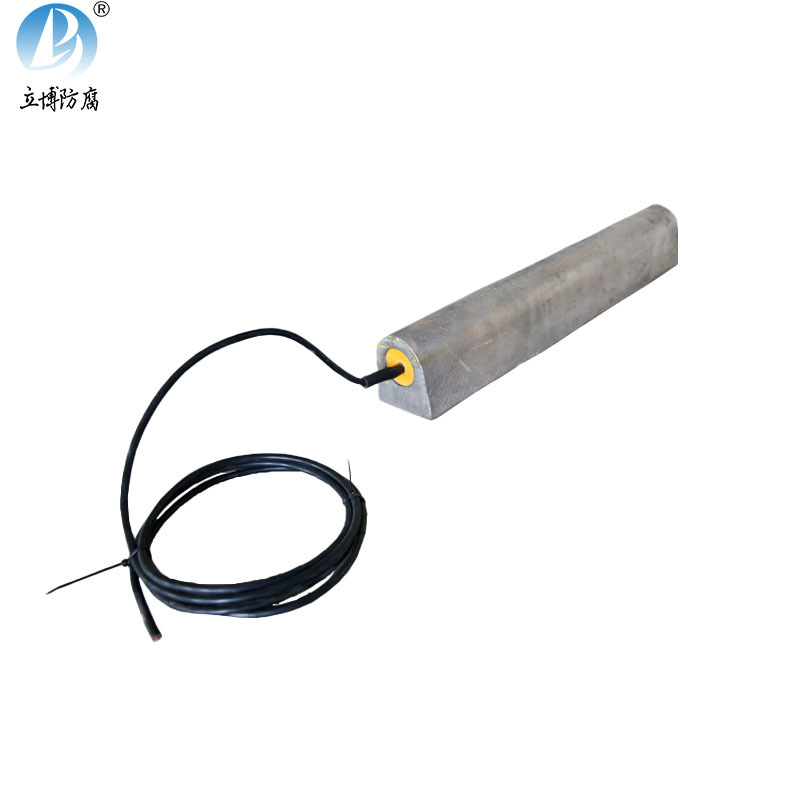
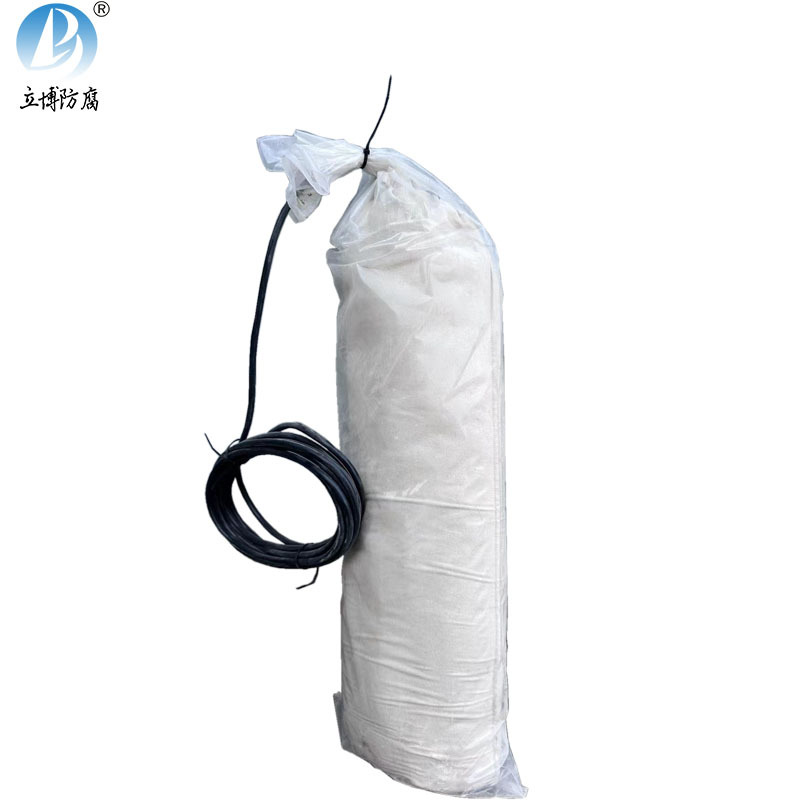
The company's main products: magnesium alloy sacrificial anode series, aluminum alloy sacrificial anode series, zinc alloy sacrificial anode series, and cathodic protection supporting products, such as more than a dozen varieties and hundreds of specifications.


Focus on the development and production of cathodic protection materials

online message
We will contact you within one working day. Please pay attention to your phone or email.