


Understanding Deep Well Anodes: Essential Components for Corrosion Protection in Construction
Release time:
2025-07-23
Deep Well Anodes are specialized cathodic protection devices that play a critical role in preventing corrosion in various structures, particularly those buried underground or submerged in water. Corrosion can significantly weaken structural integrity, leading to costly repairs and safety hazards. Therefore, understanding and implementing effective corrosion protection strategies is essential for a
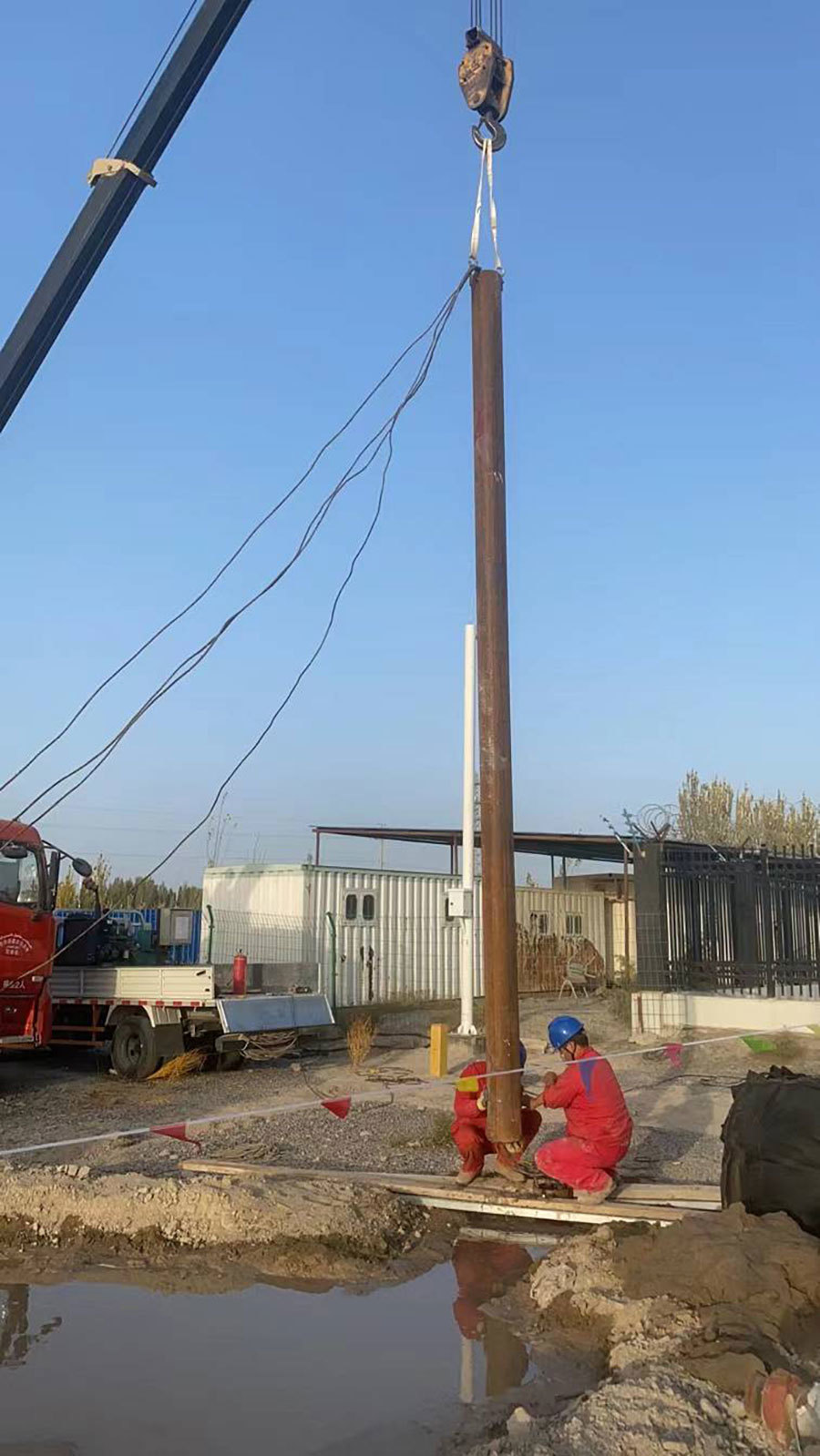
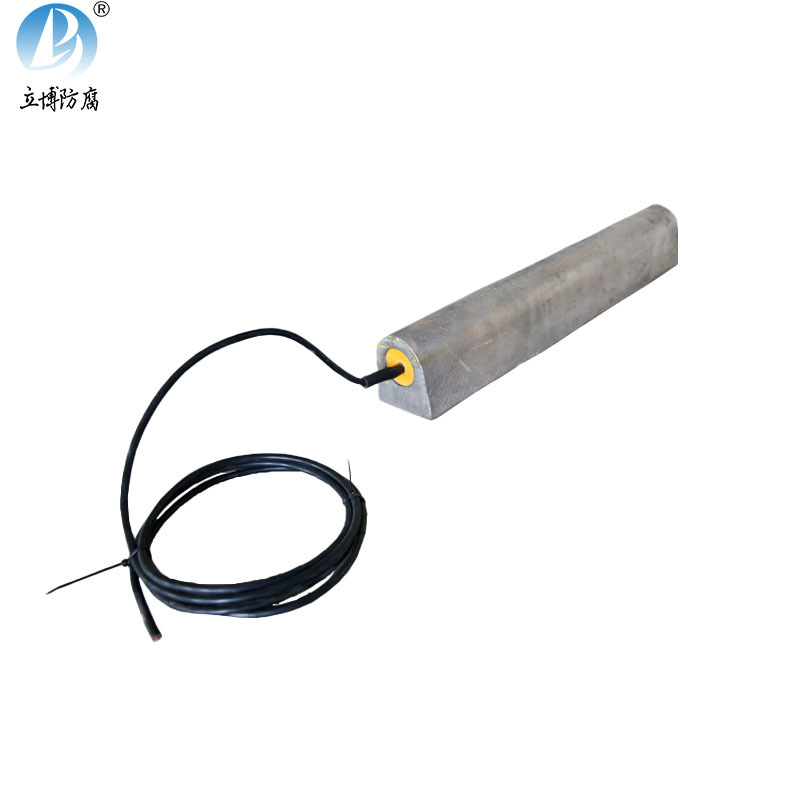
At its core, a Deep Well Anode is designed to mitigate corrosion through electrochemical processes. When installed in soil or water, these anodes provide a low-resistance path for electric current, which helps to protect metallic structures such as pipelines, tanks, and even foundations. By utilizing a sacrificial anode material, which is more reactive than the protected metal, Deep Well Anodes effectively divert corrosion away from the primary structure, thus prolonging its lifespan.
One of the primary advantages of Deep Well Anodes is their adaptability to a wide range of environments. Whether dealing with saline water, acidic soil, or alkaline conditions, these anodes can be tailored to meet specific conditions and requirements. This versatility makes them an ideal solution for various applications, including marine environments, underground storage tanks, and pipelines.
When considering the installation of Deep Well Anodes, professionals should take into account several factors. The depth of installation, soil resistivity, and the expected lifespan of the anode are all critical components in ensuring the effectiveness of the corrosion protection system. Proper installation techniques are crucial, as inadequate placement can lead to insufficient protection and increased maintenance costs.
Maintenance of Deep Well Anodes also requires attention. Regular inspections are essential to assess the condition of the anodes and ensure they are functioning as intended. Monitoring the potential and current distribution is vital to identify any issues early on, allowing for timely interventions and minimizing the risk of corrosion-related failures.
In summary, Deep Well Anodes represent a vital component in the fight against corrosion in the construction and decorative materials sector. Their ability to provide effective, long-term corrosion protection makes them indispensable for preserving the integrity of various structures. For professionals in the industry, understanding their operation, installation requirements, and maintenance protocols will help ensure successful implementation and management of corrosion protection systems. Investing in these measures not only enhances structural longevity but also promotes safety and cost-effectiveness in construction projects.
Key words:
Learn more about industry dynamics
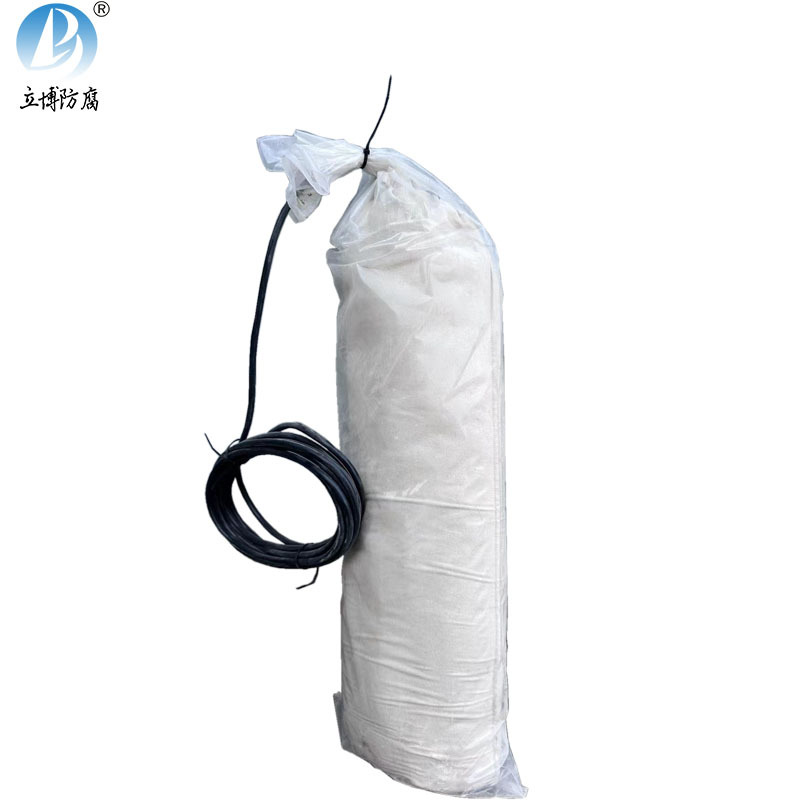
The company's main products: magnesium alloy sacrificial anode series, aluminum alloy sacrificial anode series, zinc alloy sacrificial anode series, and cathodic protection supporting products, such as more than a dozen varieties and hundreds of specifications.


Focus on the development and production of cathodic protection materials

online message
We will contact you within one working day. Please pay attention to your phone or email.