


High Potential Magnesium Anodes: Essential Technology for Advanced Corrosion Protection
Release time:
2026-03-05
Magnesium anodes with high potential ensure effective corrosion prevention in underground and underwater metal systems
In modern industrial and marine environments, protecting metal infrastructure from corrosion is a critical concern. High potential magnesium anodes have emerged as one of the most effective solutions for cathodic protection, ensuring the longevity and safety of steel pipelines, storage tanks, offshore platforms, and other metallic structures. As industries expand and environmental conditions become more challenging, these anodes play a crucial role in minimizing maintenance costs and preventing structural failures.
Magnesium anodes are sacrificial electrodes, meaning they corrode preferentially to the steel or metal structure they protect. The term "high potential" refers to the electrochemical potential of the magnesium material relative to the structure, which allows it to provide more aggressive protection, especially in environments with low conductivity, such as freshwater pipelines, underground structures, and certain soil types. This high electrochemical activity ensures that the anode maintains sufficient driving voltage to prevent corrosion even under challenging conditions.
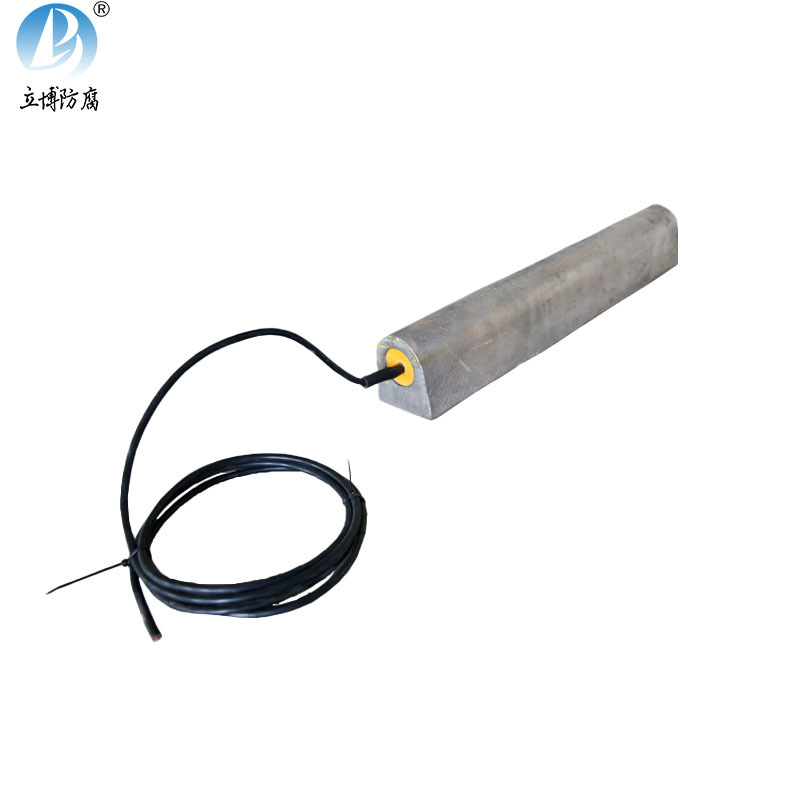
The design and manufacturing of high potential magnesium anodes involve careful selection of alloy composition and casting methods. Pure magnesium or magnesium-based alloys are combined with trace elements such as aluminum, zinc, or indium to enhance the anode's electrical output, mechanical strength, and longevity. These alloys are processed into various forms, including cylindrical, ribbon, or block-shaped anodes, depending on the application and current demand of the protected structure. Precision manufacturing ensures uniform density and optimal electrochemical performance.
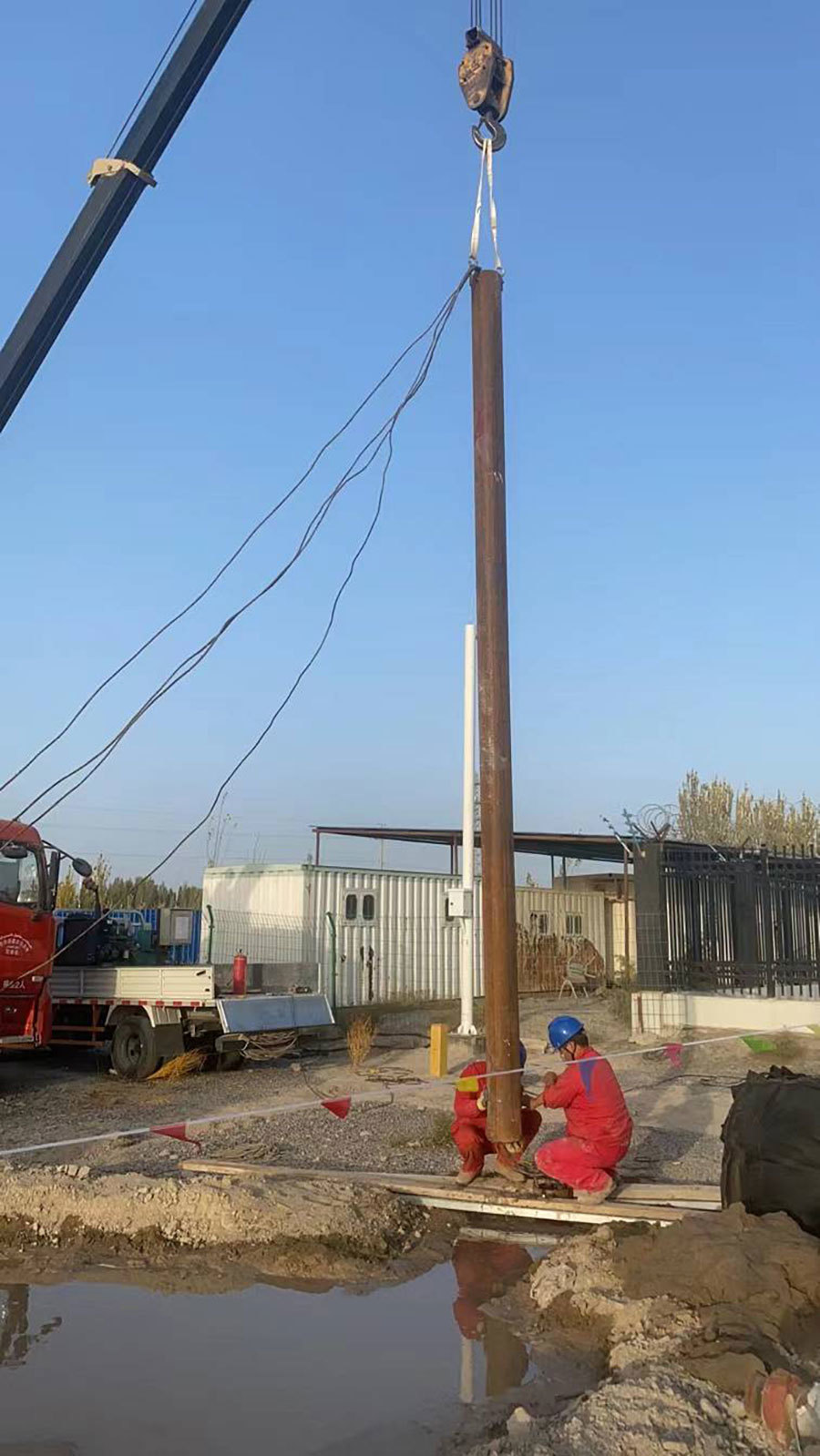
Installation and maintenance are key to the effectiveness of magnesium anodes. Correct placement, proper electrical connection to the protected steel, and monitoring of anode consumption are essential for continuous cathodic protection. Anodes must be periodically inspected to determine the rate of material loss and ensure that the anode continues to provide adequate protection throughout the structure’s service life. Advanced monitoring systems can measure potential and current, allowing engineers to optimize protection and predict maintenance requirements more accurately.
High potential magnesium anodes are widely used across multiple industries. In the oil and gas sector, they protect pipelines, storage tanks, and offshore platforms from aggressive seawater and soil environments. In marine applications, ships and dock structures are safeguarded against galvanic corrosion that can compromise structural integrity. Infrastructure projects, including bridges, water treatment plants, and underground pipelines, also rely on magnesium anodes to prevent costly corrosion damage.
The environmental advantages of magnesium anodes are increasingly recognized. Unlike some alternative protection methods that require external power sources or chemical inhibitors, magnesium anodes are self-powered and environmentally benign. They slowly dissolve over time, providing continuous protection without releasing harmful byproducts. Proper disposal of spent anodes and adherence to environmental regulations ensure minimal ecological impact.
Technological advancements continue to improve the performance of high potential magnesium anodes. Modern alloy formulations increase the anode's lifespan while optimizing output voltage to suit specific environmental conditions. Protective coatings and encapsulations can extend operational life in harsh or high-temperature environments. Computational modeling and electrochemical analysis enable engineers to design anode systems with precise current outputs tailored to complex structures, enhancing reliability and efficiency.
The global demand for high potential magnesium anodes is rising steadily. With infrastructure development in emerging economies and the need for long-term protection of critical energy and water systems, manufacturers are expanding production capacity while maintaining strict quality control. Regulatory compliance, including adherence to ASTM, ISO, and NACE standards, ensures that anodes perform consistently and safely under operational conditions.
Challenges remain, including optimizing anode placement for complex structures, ensuring uniform current distribution, and managing the environmental impact of spent material. Research continues into advanced alloys, hybrid systems combining magnesium with other sacrificial metals, and intelligent monitoring devices that provide real-time protection assessment. Such innovations are likely to enhance the efficiency and reliability of magnesium anode systems in the future.
In conclusion, high potential magnesium anodes are a cornerstone technology in modern corrosion protection strategies. By providing sacrificial cathodic protection to steel and metal structures, they extend the life of critical infrastructure, reduce maintenance costs, and enhance safety. As industries continue to expand into challenging environments, the role of magnesium anodes will remain indispensable, supporting sustainable, efficient, and resilient operations in marine, industrial, and civil engineering applications worldwide.
Key words:
Learn more about industry dynamics
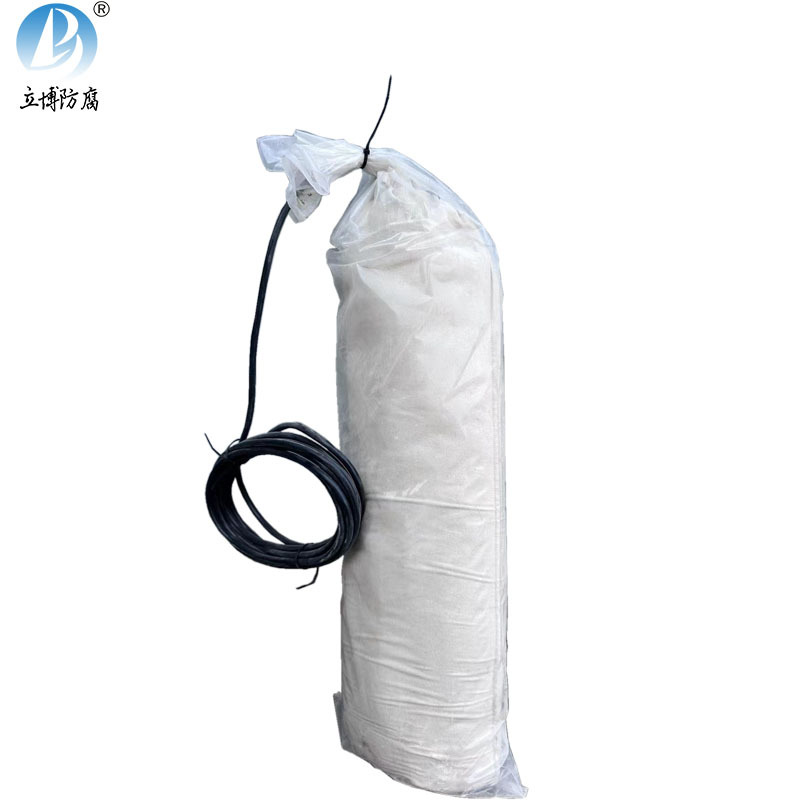
The company's main products: magnesium alloy sacrificial anode series, aluminum alloy sacrificial anode series, zinc alloy sacrificial anode series, and cathodic protection supporting products, such as more than a dozen varieties and hundreds of specifications.


Focus on the development and production of cathodic protection materials

online message
We will contact you within one working day. Please pay attention to your phone or email.