


Cathodic Protection Technology Expands as Infrastructure and Marine Industries Focus on Long-Term Corrosion Control
Release time:
2026-07-06
cathodic protection prevents metal corrosion by using electrochemical methods to control corrosion reactions widely applied in pipelines marine structures tanks and underground steel infrastructure systems
The global corrosion prevention industry continues to advance in 2026, with cathodic protection emerging as a critical engineering solution for extending the lifespan of metal structures exposed to soil, water, and marine environments. As infrastructure assets age and offshore development expands, demand for electrochemical protection systems is steadily increasing worldwide.
Cathodic protection is a corrosion control method that reduces or eliminates metal deterioration by making the protected structure the cathode of an electrochemical cell. This is typically achieved through two main approaches: sacrificial anode systems and impressed current systems. Both methods work by redirecting corrosive reactions away from the protected metal surface.
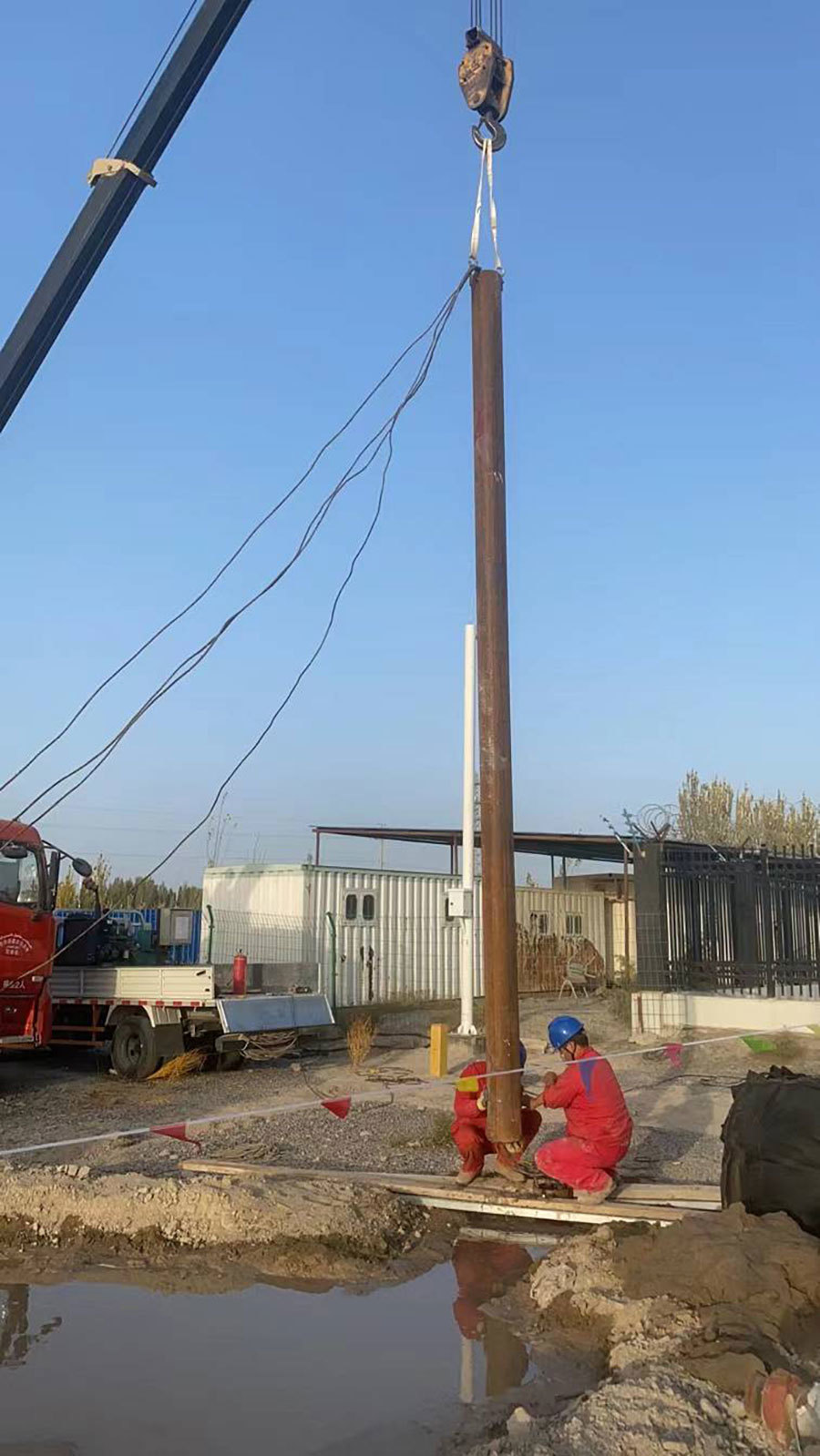
In the oil and gas industry, cathodic protection is widely applied to pipelines, storage tanks, and offshore platforms. These assets operate in highly corrosive environments where moisture, salt, and soil chemistry can significantly accelerate metal degradation if left unprotected.
A corrosion engineering specialist noted that “without cathodic protection, many buried or submerged steel structures would have drastically shorter service lives, making it an essential part of modern infrastructure design.”
In marine engineering, cathodic protection is used on ships, ports, piers, and offshore wind structures. Saltwater exposure creates highly aggressive corrosion conditions, making electrochemical protection systems a standard requirement for long-term structural integrity.
Urban infrastructure systems also rely heavily on cathodic protection. Underground pipelines, water distribution networks, and reinforced concrete structures with embedded steel rebar often use these systems to prevent hidden corrosion that could lead to structural failure over time.
In construction, cathodic protection is increasingly integrated into reinforced concrete durability design. By controlling corrosion of embedded steel reinforcement, it helps extend the service life of bridges, tunnels, and high-rise foundations.
Modern cathodic protection systems are becoming more intelligent. Digital monitoring units, remote telemetry, and automated current adjustment systems now allow engineers to track protection performance in real time and adjust output based on environmental conditions.
Data-driven maintenance is also gaining importance. Predictive corrosion analytics can now be combined with cathodic protection systems to optimize energy consumption and improve long-term asset management planning.
However, system design and maintenance require specialized expertise. Factors such as soil resistivity, coating quality, and stray electrical currents must be carefully evaluated to ensure effective protection performance.
Despite these technical complexities, adoption continues to grow. As governments and industries prioritize infrastructure longevity and lifecycle cost reduction, cathodic protection is increasingly viewed not as an optional upgrade, but as a standard requirement for critical assets.
Key words:
Learn more about industry dynamics
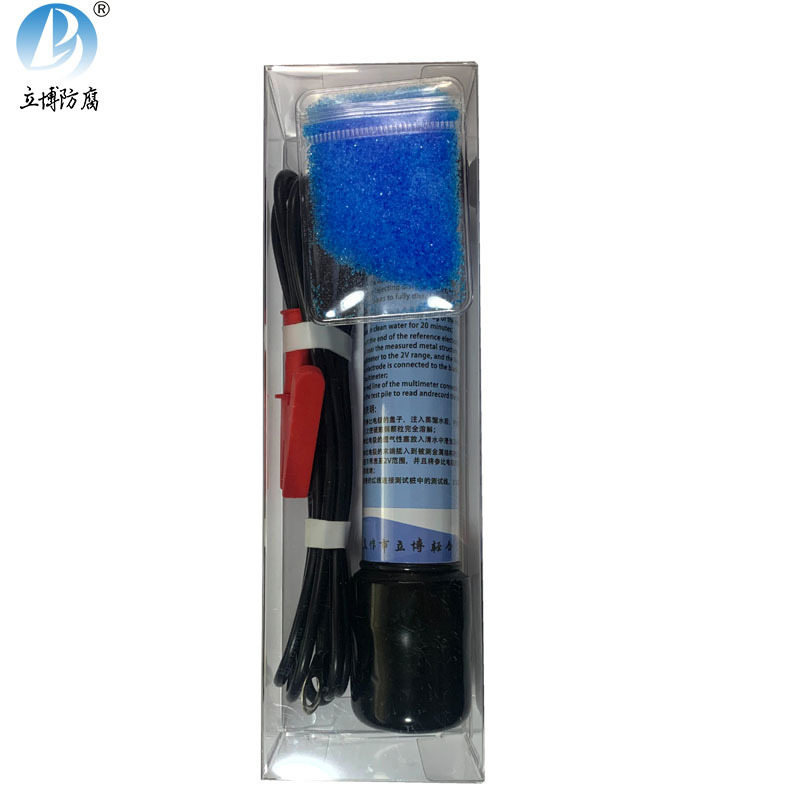
The company's main products: magnesium alloy sacrificial anode series, aluminum alloy sacrificial anode series, zinc alloy sacrificial anode series, and cathodic protection supporting products, such as more than a dozen varieties and hundreds of specifications.



Focus on the development and production of cathodic protection materials

online message
We will contact you within one working day. Please pay attention to your phone or email.