


Understanding Deep Well Anodes: Essential Insights for Corrosion Protection in Construction
Release time:
2026-08-02
Deep well anodes are critical components in the corrosion protection landscape, especially in industries such as construction and decorative materials. Designed to mitigate the effects of corrosion in various environments, these anodes are particularly effective in soil and water applications. Understanding how deep well anodes function, their benefits, and the best practices for installation can
At their core, deep well anodes are sacrificial anodes that protect metal structures by providing a preferential corrosion path. When buried in soil or submerged in water, these anodes are electrically connected to the structure they are meant to protect. As they corrode, they effectively break down instead of the more valuable metal components, thus extending the lifespan of the infrastructure. This cathodic protection mechanism is vital in preventing costly repairs and ensuring safety in construction projects.
One of the primary advantages of deep well anodes is their long service life. When properly installed and maintained, they can last for many years, providing continuous protection against corrosion. Their ability to be installed at varying depths allows for flexibility in addressing different site conditions, making them suitable for a range of applications. Additionally, deep well anodes can be tailored to meet specific corrosion challenges, depending on the environmental conditions they are exposed to, such as soil type, moisture content, and salinity levels.
When considering installation, it is essential to conduct a thorough site assessment. This involves understanding the local soil chemistry and the electrical resistivity of the ground, which can significantly affect the anode's performance. Proper depth placement is also crucial; deeper installations may yield better results in terms of corrosion protection, but they require more complex installation techniques. Professionals should be equipped with the right tools and expertise to ensure effective deployment.
Moreover, regular monitoring and maintenance of deep well anodes are imperative. By implementing a routine inspection schedule, any signs of degradation can be identified early, allowing for timely replacements before serious corrosion occurs. The integration of advanced monitoring technologies can also enhance the effectiveness of cathodic protection systems.
In conclusion, deep well anodes play a vital role in safeguarding metal structures from corrosion in construction and decorative materials. By understanding their functionality, advantages, and installation best practices, industry professionals can leverage these materials to enhance structural integrity and reduce long-term maintenance costs. Emphasizing proper assessments, installations, and maintenance will ensure optimal performance of deep well anodes and contribute to the sustainability of construction projects.
Key words:
Learn more about industry dynamics
The company's main products: magnesium alloy sacrificial anode series, aluminum alloy sacrificial anode series, zinc alloy sacrificial anode series, and cathodic protection supporting products, such as more than a dozen varieties and hundreds of specifications.

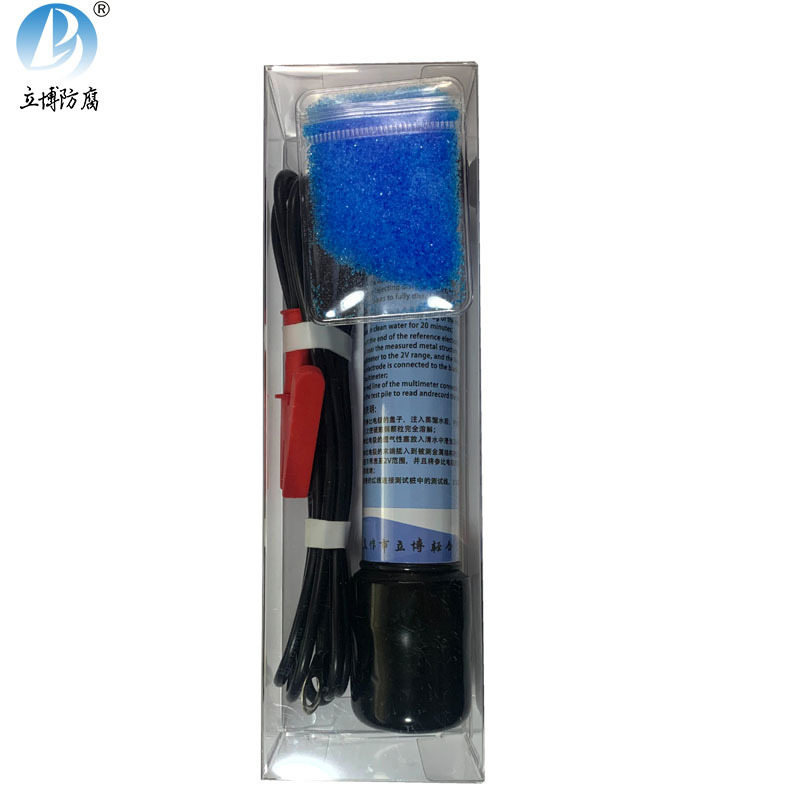

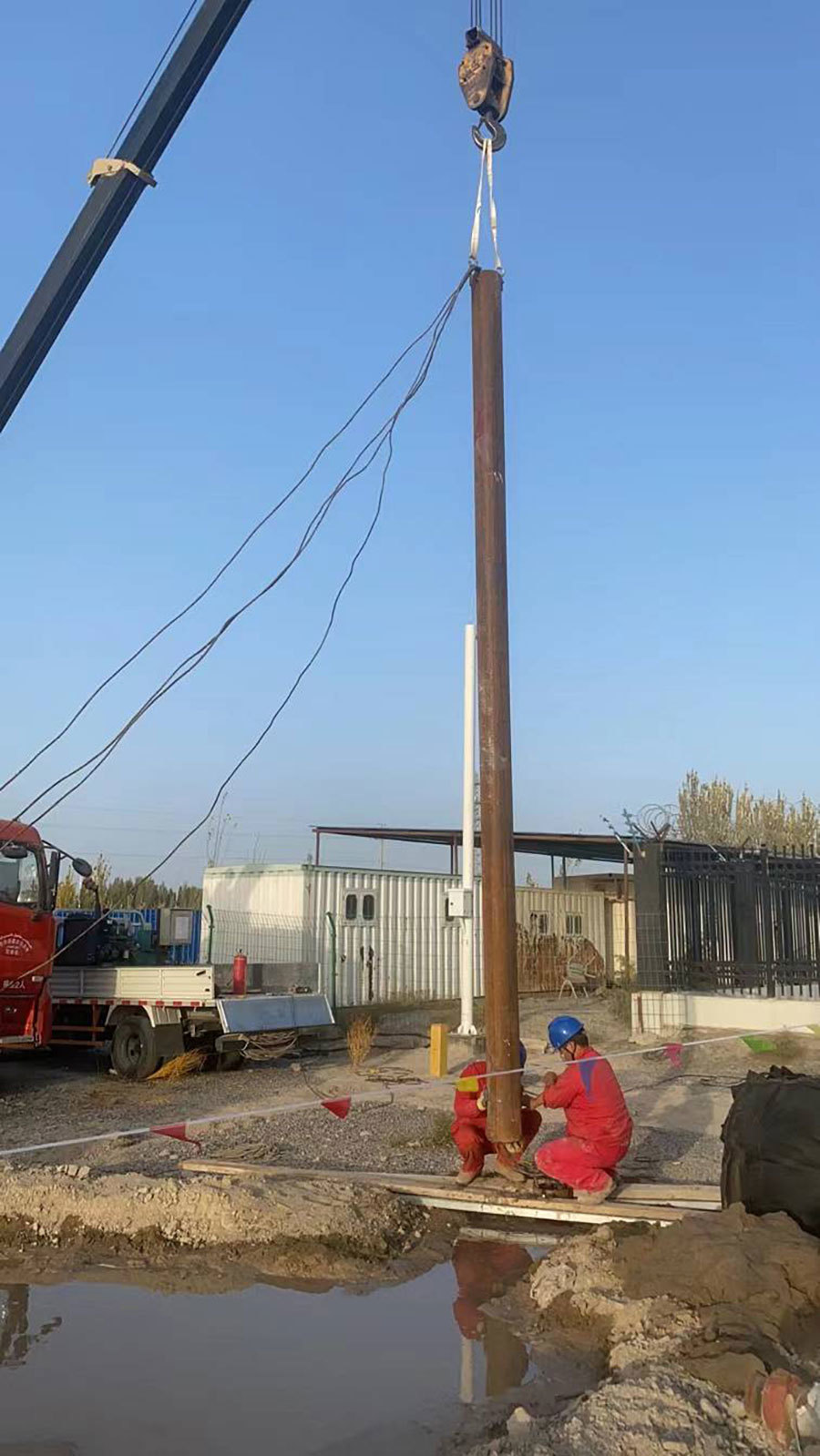

Focus on the development and production of cathodic protection materials

online message
We will contact you within one working day. Please pay attention to your phone or email.