


Essential Insights for Corrosion Prevention in Construction
Release time:
2025-05-24
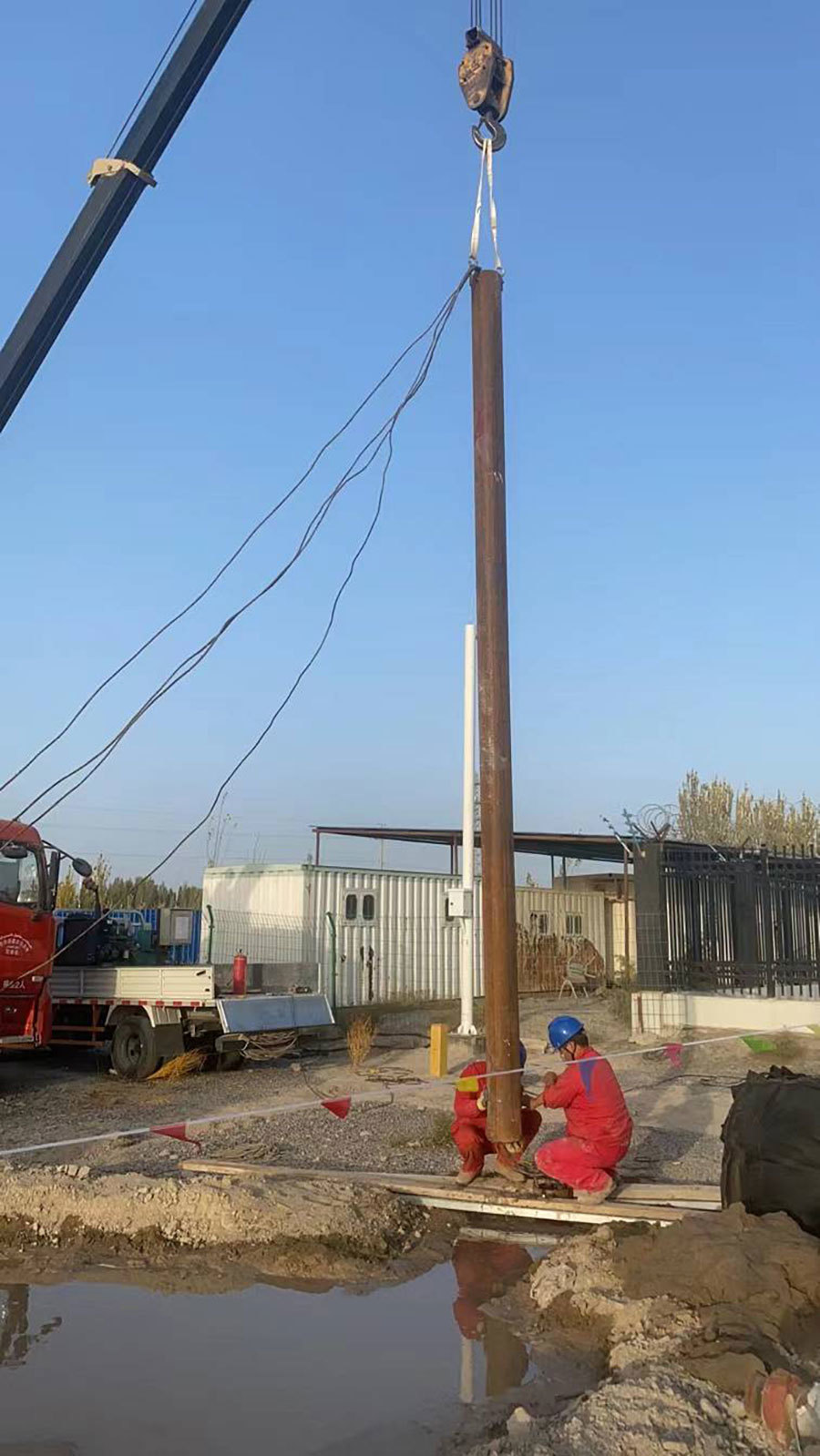
Deep well anodes play a pivotal role in the field of corrosion prevention, particularly in environments where traditional methods may fall short. These specialized electrodes are designed to protect metal structures, such as pipelines and tanks, from the detrimental effects of corrosion caused by electrochemical reactions in their surroundings. Understanding their functionality and application
Deep well anodes play a pivotal role in the field of corrosion prevention, particularly in environments where traditional methods may fall short. These specialized electrodes are designed to protect metal structures, such as pipelines and tanks, from the detrimental effects of corrosion caused by electrochemical reactions in their surroundings. Understanding their functionality and application is crucial for professionals in the building and decorative materials industry.
At their core, deep well anodes operate on the principle of cathodic protection. This technology is essential in safeguarding a variety of structures, especially those submerged in electrolytic environments or exposed to harsh conditions. When installed properly, deep well anodes help to divert corrosive currents away from metal surfaces, effectively prolonging the life of critical infrastructure.
One of the primary advantages of deep well anodes is their ability to provide consistent and long-lasting corrosion protection. Unlike traditional sacrificial anodes, which may require frequent replacement, deep well anodes are designed for extended service life. This characteristic is particularly beneficial in large-scale construction projects where maintenance access may be limited or costly.
Installation considerations are vital when implementing deep well anodes. Professionals must assess soil resistivity, groundwater conditions, and electrolyte composition to determine the optimal installation depth and configuration. Properly evaluating these factors is crucial to ensure the anodes operate effectively and provide maximum protection.
Moreover, it is essential to monitor the performance of deep well anodes regularly. Employing tools such as potential measurements and current density assessments can help professionals gauge the effectiveness of the anodes and implement timely maintenance. This proactive approach not only mitigates corrosion risks but also contributes to the overall sustainability of construction projects.
Furthermore, deep well anodes can be integrated with other corrosion prevention strategies, such as coatings and inhibitors, for a comprehensive protection plan. By combining multiple techniques, industry professionals can create a robust defense against corrosion, ensuring the structural integrity and longevity of their projects.
In conclusion, deep well anodes are indispensable in the battle against corrosion in the construction and decorative materials industry. By understanding their operation, benefits, and installation needs, professionals can leverage this technology to enhance the durability of their structures. As the demand for reliable and lasting construction materials continues to grow, knowledge of deep well anodes will remain a critical asset for those in the industry.
Key words:
Learn more about industry dynamics
The company's main products: magnesium alloy sacrificial anode series, aluminum alloy sacrificial anode series, zinc alloy sacrificial anode series, and cathodic protection supporting products, such as more than a dozen varieties and hundreds of specifications.



Focus on the development and production of cathodic protection materials

online message
We will contact you within one working day. Please pay attention to your phone or email.