


Understanding Portable Reference Electrodes: Essential Tools for Environmental Monitoring
Release time:
2026-07-13
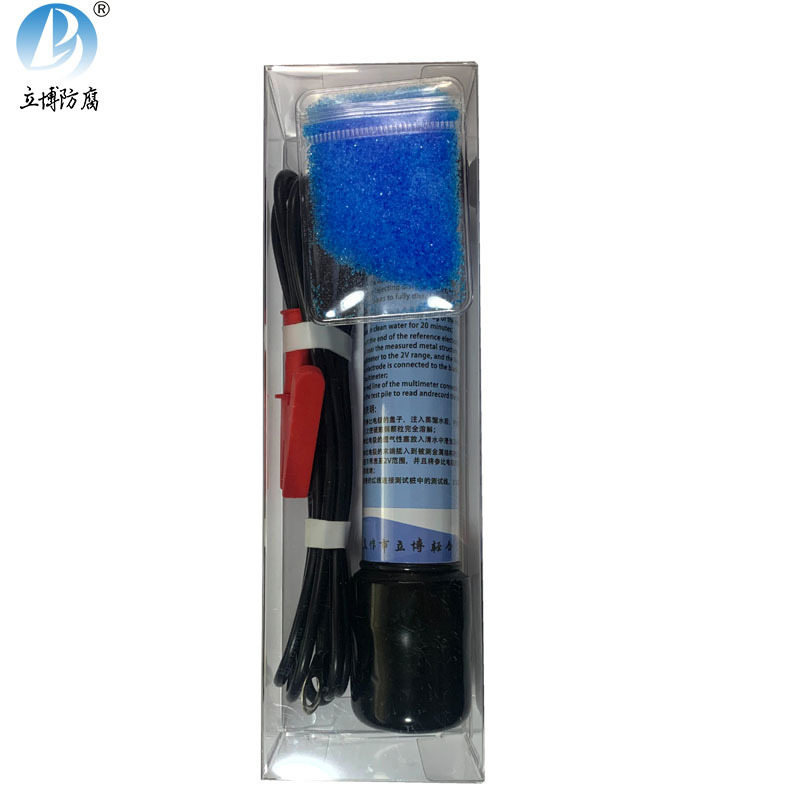
Portable reference electrodes are invaluable tools in the field of environmental monitoring, particularly in applications that require precise electrochemical measurements. These compact devices serve as stable reference points, enabling reliable readings of various environmental parameters, such as pH, redox potential, and ion concentration. As the demand for accurate real-time data increases, un
One of the primary advantages of using a portable reference electrode is its convenience. Unlike traditional reference electrodes, which may require a stable laboratory environment, portable options are designed for field use. This adaptability allows for on-site testing, which is essential in situations where immediate data is required, such as monitoring water quality in rivers, lakes, or industrial effluents. By employing a portable reference electrode, environmental professionals can gather accurate data without the delay of transporting samples back to a lab.
Another critical aspect of portable reference electrodes is their construction. Typically made from durable materials, these electrodes are designed to withstand harsh environmental conditions, including varying temperatures and potential exposure to corrosive substances. This resilience ensures that the measurements taken in the field remain consistent and reliable, minimizing the impact of environmental variables on the data collected.
Calibration is essential for maintaining the accuracy of portable reference electrodes. Regular calibration against known standards helps to ensure that their readings remain within acceptable limits. Environmental monitoring professionals should establish a routine calibration schedule to maintain the integrity of their measurements. This practice not only enhances data reliability but also extends the lifespan of the electrode.
Furthermore, understanding the specific application requirements is vital when selecting a portable reference electrode. Different electrodes may be suited for distinct environments or types of measurements. For instance, some electrodes are optimized for use in freshwater, while others may be designed for saline or industrial environments. Selecting the appropriate electrode based on the intended application can significantly impact the accuracy and usefulness of the data collected.
In summary, portable reference electrodes are essential for effective environmental monitoring. Their portability, durability, and adaptability make them ideal for on-site measurements, allowing professionals to respond quickly to environmental changes. By investing time in understanding their use and maintaining regular calibration, individuals in the environmental detection instrument industry can significantly enhance the quality and reliability of their monitoring efforts.
Key words:
Learn more about industry dynamics
The company's main products: magnesium alloy sacrificial anode series, aluminum alloy sacrificial anode series, zinc alloy sacrificial anode series, and cathodic protection supporting products, such as more than a dozen varieties and hundreds of specifications.



Focus on the development and production of cathodic protection materials

online message
We will contact you within one working day. Please pay attention to your phone or email.