


Revolutionizing Monitoring: Innovations in Reference Electrode Technology
Release time:
2026-07-08
Revolutionizing Monitoring: Innovations in Reference Electrode Technology Table of Contents 1. Introduction to Reference Electrode Technology 2. Importance of Reference Electrodes in Monitoring Systems 3. Traditional Reference Electrodes: Limitations and Challenges 4. Innovations in Reference Electrode Technology 4.1 New Materials for Enhanced Performance
Revolutionizing Monitoring: Innovations in Reference Electrode Technology
Table of Contents
- 1. Introduction to Reference Electrode Technology
- 2. Importance of Reference Electrodes in Monitoring Systems
- 3. Traditional Reference Electrodes: Limitations and Challenges
- 4. Innovations in Reference Electrode Technology
- 4.1 New Materials for Enhanced Performance
- 4.2 Miniaturization of Reference Electrodes
- 4.3 Integration with Wireless Monitoring Systems
- 5. Applications of Advanced Reference Electrode Technologies
- 6. The Future of Reference Electrode Technology
- 7. Conclusion
- 8. Frequently Asked Questions (FAQs)
1. Introduction to Reference Electrode Technology
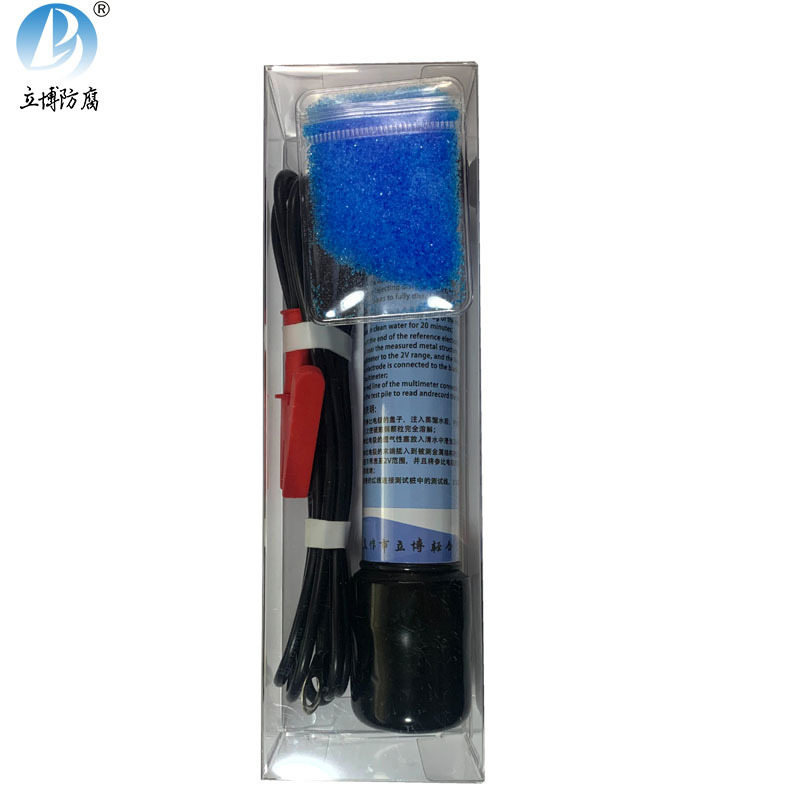
Reference electrodes play a crucial role in electrochemical measurements, providing a stable reference point against which the potential of an indicator electrode can be measured. Their ability to deliver reliable data is vital across various applications, including environmental monitoring, industrial processes, and research. Innovations in reference electrode technology are paving the way for improved accuracy, reliability, and ease of use in monitoring solutions.
2. Importance of Reference Electrodes in Monitoring Systems
Understanding the significance of reference electrodes is fundamental to appreciating their advancements. They are essential for maintaining the integrity of electrochemical measurements. When monitoring environmental conditions or industrial processes, accurate measurements can have profound implications on safety, compliance, and quality control. The reliability of these readings is directly linked to the performance of the reference electrode in use.
3. Traditional Reference Electrodes: Limitations and Challenges
Despite their essential role, traditional reference electrodes come with limitations. Common issues include:
- **Instability**: Many traditional electrodes are susceptible to changes in temperature and pressure, which can lead to inaccurate readings.
- **Maintenance**: Regular calibration and maintenance are often required to ensure optimal performance.
- **Size and Portability**: Larger electrodes can be cumbersome in field applications, leading to difficulties in monitoring in remote or challenging environments.
These challenges highlight the need for innovative solutions to enhance the functionality and practicality of reference electrodes.
4. Innovations in Reference Electrode Technology
Recent developments in reference electrode technology have addressed many of the limitations associated with traditional designs. The following subsections explore these innovations in depth.
4.1 New Materials for Enhanced Performance
The introduction of advanced materials has significantly improved the performance of reference electrodes. New materials such as:
- **Solid-State Electrodes**: These offer greater stability and reduced drift compared to liquid-filled counterparts, enhancing measurement reliability.
- **Nanostructured Materials**: The incorporation of nanotechnology increases the surface area of electrodes, allowing for quicker response times and improved sensitivity.
These advancements not only enhance performance but also reduce the frequency of maintenance required.
4.2 Miniaturization of Reference Electrodes
Miniaturization is a key trend in reference electrode technology. Compact designs allow for greater flexibility in deployment, making them ideal for:
- **Portable Monitoring Solutions**: Smaller electrodes can be integrated into handheld devices, facilitating on-site assessments.
- **Integration with Sensors**: Miniaturized electrodes can be combined with various sensors in a single unit, streamlining data collection and analysis.
This evolution towards smaller, more integrated solutions simplifies the monitoring process while maintaining accuracy.
4.3 Integration with Wireless Monitoring Systems
The rise of the Internet of Things (IoT) has prompted the integration of reference electrodes with wireless monitoring systems. This innovation allows for:
- **Real-Time Data Transmission**: Continuous monitoring becomes feasible, with immediate data sent to central systems for analysis.
- **Remote Access and Control**: Users can access data from anywhere, enabling proactive decision-making based on real-time conditions.
This integration enhances the practicality of monitoring systems, making them more efficient and user-friendly.
5. Applications of Advanced Reference Electrode Technologies
The innovations in reference electrode technology have opened up numerous applications across diverse fields. Understanding these applications is crucial for leveraging the full potential of advanced monitoring solutions.
5.1 Water Quality Monitoring
In environmental monitoring, reference electrodes are vital for assessing water quality. They are used to measure parameters such as:
- **pH Levels**: Accurate pH measurement is essential for environmental studies and water treatment processes.
- **Dissolved Oxygen**: Monitoring dissolved oxygen levels is critical for aquatic life health assessments.
Advanced reference electrodes offer improved stability and accuracy, making them indispensable for long-term monitoring efforts.
5.2 Industrial Process Control
In industrial applications, reference electrodes are integral for process control and quality assurance. They are used in:
- **Corrosion Monitoring**: Preventive measures can be implemented based on accurate readings to combat corrosion in pipelines and storage tanks.
- **Electroplating Processes**: Accurate electrode potential readings are critical for maintaining the quality of electroplated products.
The enhanced performance of modern reference electrodes allows industries to optimize processes and reduce waste.
6. The Future of Reference Electrode Technology
Looking ahead, the future of reference electrode technology appears promising. Ongoing research and development are likely to yield:
- **Smart Electrode Systems**: Integration with AI and machine learning for predictive analytics and adaptive monitoring.
- **Sustainable Technologies**: Development of environmentally friendly materials and designs that reduce environmental impact.
The evolution of reference electrodes will continue to drive improvements in monitoring technologies, making them more efficient and accessible.
7. Conclusion
Innovations in reference electrode technology represent a significant advancement in the field of monitoring. As we have explored, the new materials, miniaturization, and integration with wireless systems enhance both the functionality and versatility of these instruments. Their applications in water quality monitoring and industrial processes underscore their importance in ensuring accuracy and reliability in measurements. The future of reference electrode technology looks bright, with promising advancements on the horizon that will further revolutionize the way we monitor our environment and industrial processes.
8. Frequently Asked Questions (FAQs)
Q1: What is a reference electrode?
A reference electrode is a stable electrode used in electrochemical measurements to provide a constant reference potential.
Q2: Why are traditional reference electrodes limited?
Traditional reference electrodes often exhibit instability, require frequent maintenance, and can be cumbersome in size.
Q3: What advancements have been made in reference electrode technology?
Recent innovations include the use of solid-state materials, miniaturization, and wireless integration for enhanced performance.
Q4: How do reference electrodes contribute to water quality monitoring?
They measure critical parameters like pH and dissolved oxygen, essential for assessing aquatic environments.
Q5: What can we expect in the future of reference electrode technology?
The future may see the emergence of smart electrode systems and more sustainable materials, enhancing monitoring capabilities and environmental responsibility.
Key words:
Learn more about industry dynamics
The company's main products: magnesium alloy sacrificial anode series, aluminum alloy sacrificial anode series, zinc alloy sacrificial anode series, and cathodic protection supporting products, such as more than a dozen varieties and hundreds of specifications.



Focus on the development and production of cathodic protection materials

online message
We will contact you within one working day. Please pay attention to your phone or email.