


Understanding Deep Well Anodes: Essential Insights for Corrosion Prevention
Release time:
2026-07-03
Deep Well Anodes are specialized components designed to mitigate corrosion in various construction and infrastructure projects. These anodes primarily serve as a sacrificial protection mechanism, effectively prolonging the lifespan of metallic structures that are susceptible to environmental degradation. The function of a Deep Well Anode revolves around the principles of cathodic protection. When
The function of a Deep Well Anode revolves around the principles of cathodic protection. When installed, these anodes corrode preferentially, hence protecting other metal components, such as steel, from oxidizing in harsh environments. This approach is crucial in applications where metals are in contact with moisture or electrolytic solutions. By sacrificing themselves, Deep Well Anodes significantly reduce the likelihood of structural failure caused by corrosion.
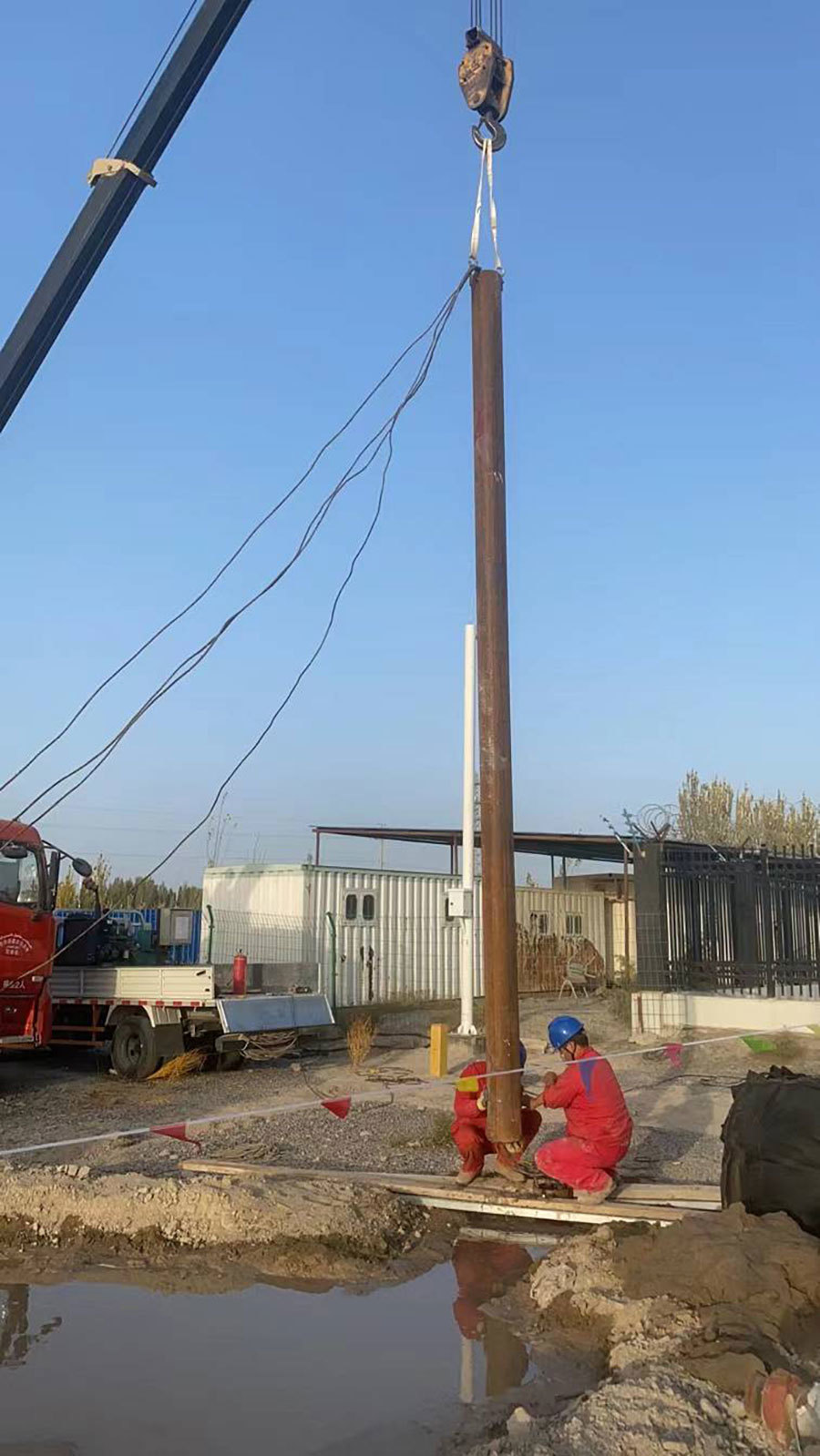
One of the key advantages of Deep Well Anodes is their depth of installation. These anodes can be installed deep into the ground, allowing them to reach layers of soil where corrosive elements are more prevalent. This not only enhances their effectiveness but also ensures that the anodes can provide long-term protection over a wide area. Additionally, the deep installation minimizes the risk of mechanical damage that surface-mounted anodes might encounter.
In the construction industry, Deep Well Anodes are particularly valuable in projects involving underground structures, such as pipelines, water tanks, and foundations. They are also used extensively in marine environments, where saltwater can accelerate corrosion rates. By integrating Deep Well Anodes into project designs, professionals can proactively address corrosion issues, ultimately leading to reduced maintenance costs and increased safety for occupants.
Choosing the right type of Deep Well Anode is critical for maximizing its efficacy. Factors such as soil resistivity, moisture content, and the specific materials involved in the construction should all be considered when selecting an anode. It is essential to conduct thorough site assessments and corrosion studies to ensure that the chosen anodes are well-suited for the intended application.
In conclusion, Deep Well Anodes serve as an essential tool in the fight against corrosion in construction and decorative materials. Their ability to provide effective and long-lasting protection makes them an invaluable resource for ensuring the integrity and durability of structures exposed to corrosive environments. As the industry continues to advance, understanding the role of Deep Well Anodes will be vital for professionals looking to enhance their projects' longevity and performance.
Key words:
Learn more about industry dynamics
The company's main products: magnesium alloy sacrificial anode series, aluminum alloy sacrificial anode series, zinc alloy sacrificial anode series, and cathodic protection supporting products, such as more than a dozen varieties and hundreds of specifications.



Focus on the development and production of cathodic protection materials

online message
We will contact you within one working day. Please pay attention to your phone or email.