


Understanding Magnesium Anodes: A Key to Effective Corrosion Protection
Release time:
2026-06-23
Magnesium anodes are a specific type of sacrificial anode used primarily to combat corrosion in metallic structures. Corrosion is a prevalent issue in various industries, particularly in environments where metal components are exposed to moisture, salt, and other corrosive elements. Magnesium anodes operate on the principle of galvanic corrosion, where they provide a more electrochemically active
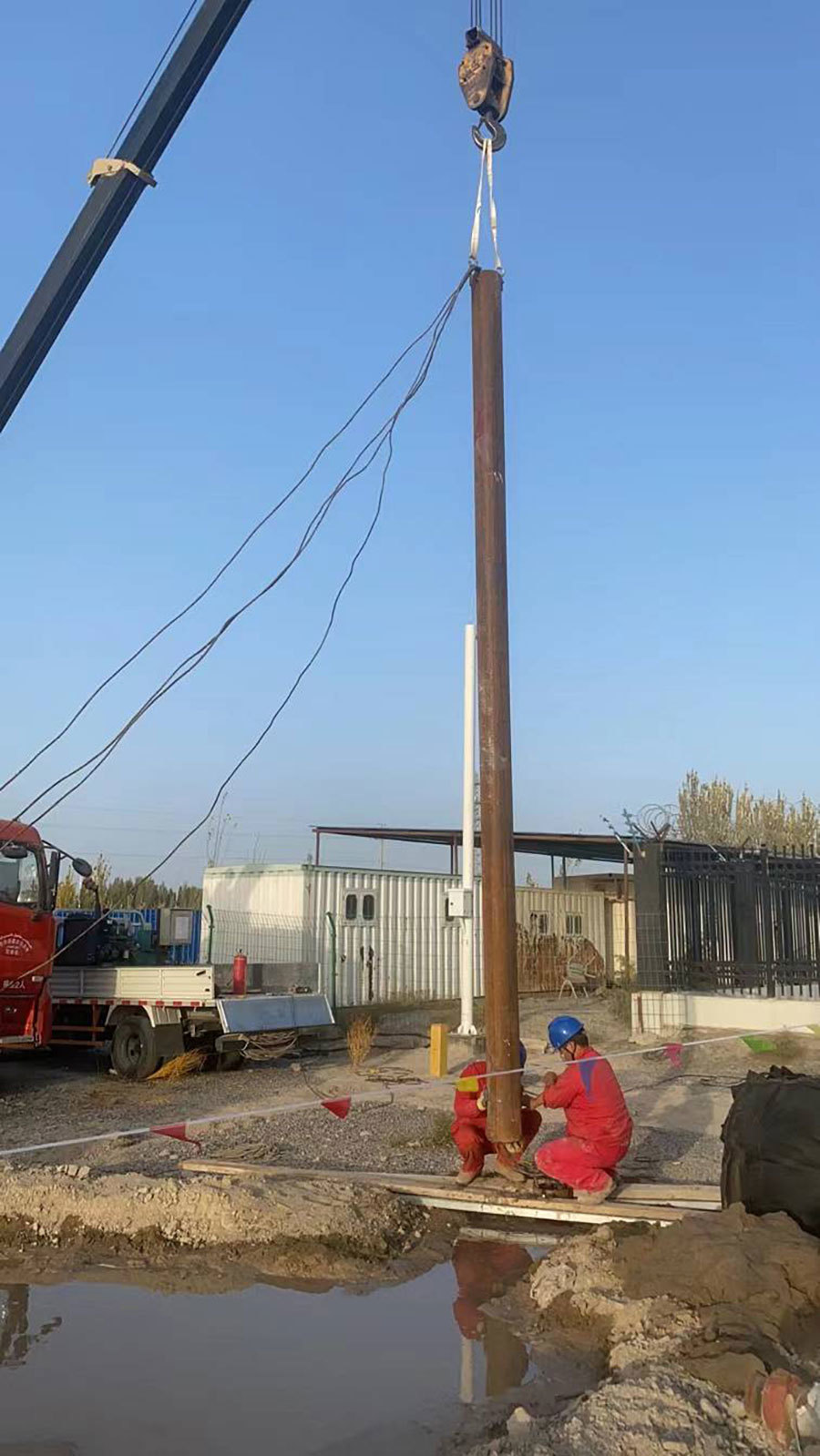
One of the primary benefits of magnesium anodes is their high electrochemical potential, which makes them particularly effective in freshwater environments. They are commonly used in applications such as pipelines, tanks, boat hulls, and other submerged or buried metallic structures. By utilizing magnesium as a sacrificial anode, the underlying metal is shielded from corrosion, ensuring its integrity and longevity.
In construction, the use of magnesium anodes can be particularly advantageous for rebar in concrete structures. Reinforced concrete is often susceptible to corrosion due to exposure to moisture and chlorides, which can lead to significant structural damage. By implementing magnesium anodes in concrete, engineers can enhance the durability of the rebar, ultimately extending the lifespan of the entire structure.
Moreover, magnesium anodes are lightweight and relatively easy to install compared to other types of anodes, such as zinc or aluminum. This ease of use translates into lower labor costs and quicker installation times, making them an attractive choice for construction projects aiming to minimize downtime and enhance efficiency.
It is also worth noting that magnesium anodes have a lower environmental impact compared to other sacrificial anodes. They are non-toxic and can be safely disposed of when they reach the end of their service life. This environmentally friendly characteristic aligns with the growing emphasis on sustainable practices in construction and building materials.
As industries continue to seek innovative solutions for corrosion protection, magnesium anodes stand out as a reliable and effective option. Their unique properties and adaptability make them an essential component in the toolbox of materials used for corrosion resistance in construction. Understanding the role and advantages of magnesium anodes can help construction professionals make informed decisions regarding material selection and corrosion management strategies.
In conclusion, magnesium anodes represent a significant advancement in corrosion prevention technology. By integrating these anodes into construction projects, professionals can ensure enhanced protection against corrosion, leading to safer and more durable structures that can withstand the test of time.
Key words:
Learn more about industry dynamics
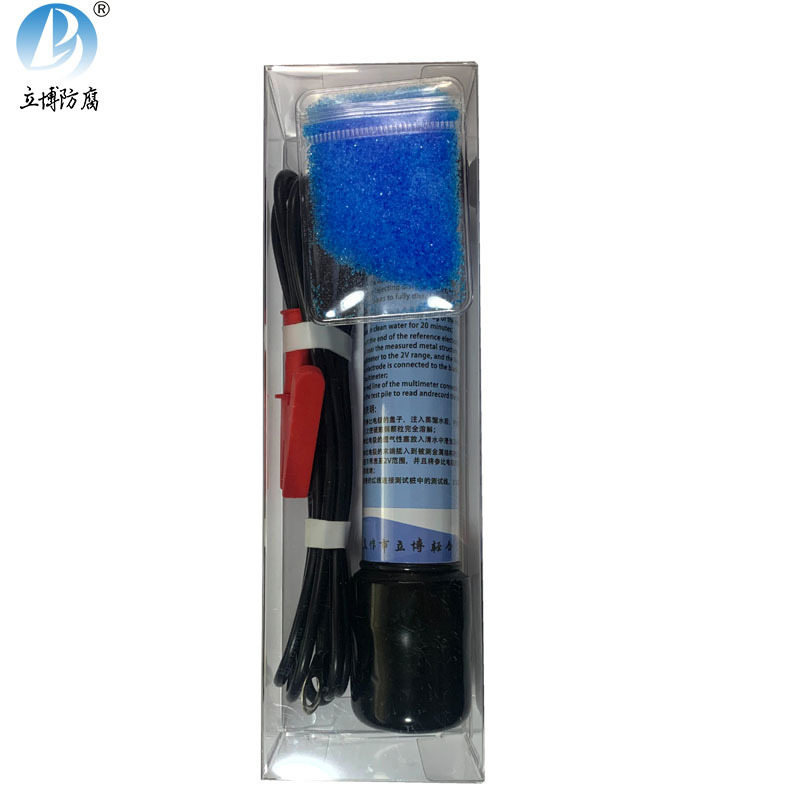
The company's main products: magnesium alloy sacrificial anode series, aluminum alloy sacrificial anode series, zinc alloy sacrificial anode series, and cathodic protection supporting products, such as more than a dozen varieties and hundreds of specifications.



Focus on the development and production of cathodic protection materials

online message
We will contact you within one working day. Please pay attention to your phone or email.