


Understanding the Role of Magnesium Anodes in Corrosion Protection
Release time:
2026-04-24
Magnesium anodes are a crucial component in the fight against corrosion, particularly in the construction and decorative materials sector. Corrosion can significantly reduce the lifespan of various structures, leading to increased maintenance costs and potential safety hazards. Understanding the role of magnesium anodes can help industry professionals implement effective corrosion protection strat
One of the primary functions of magnesium anodes is to serve as a sacrificial anode in cathodic protection systems. When placed in proximity to metal structures, magnesium anodes corrode preferentially, effectively protecting the underlying metal from corrosion. This process occurs because magnesium has a higher electrochemical potential than many common structural metals, such as steel and iron. As magnesium oxidizes, it forms a protective layer that helps to prevent the deterioration of the primary material.
The use of magnesium anodes is particularly beneficial in environments where water, salt, and other corrosive elements are present. For example, in marine construction, magnesium anodes are often employed to protect ships, docks, and underwater structures. Additionally, they are used in pipelines, tanks, and various metal fixtures that are susceptible to corrosion.
Another advantage of magnesium anodes is their lightweight nature and ease of installation. Unlike other types of anodes, magnesium anodes can be relatively small and do not require complex installation processes. This can lead to time and cost savings during the construction or maintenance phases of a project. Moreover, magnesium anodes are compatible with various coatings and paints, allowing for versatility in application without compromising protection.
It is also essential to consider the environmental aspects of using magnesium anodes. As a natural element, magnesium is abundant and non-toxic, making it an environmentally friendly choice for corrosion protection. This aligns with the increasing emphasis on sustainable practices in the construction industry, where professionals are seeking to reduce their ecological footprint.
While magnesium anodes offer significant benefits, it is also important for professionals to monitor and maintain these anodes regularly. Factors such as the surrounding environment, the size of the anode, and the specific application can influence their effectiveness. Regular inspections and timely replacements are crucial to ensure that the corrosion protection system remains operational.
In conclusion, magnesium anodes play a pivotal role in safeguarding various structures against corrosion in the building and decorative materials industry. By understanding and utilizing these anodes effectively, professionals can enhance the longevity and durability of their materials while contributing to sustainable practices in construction. Adopting magnesium anodes as a part of a comprehensive corrosion protection strategy can lead to improved performance and reduced long-term costs.
Key words:
Learn more about industry dynamics
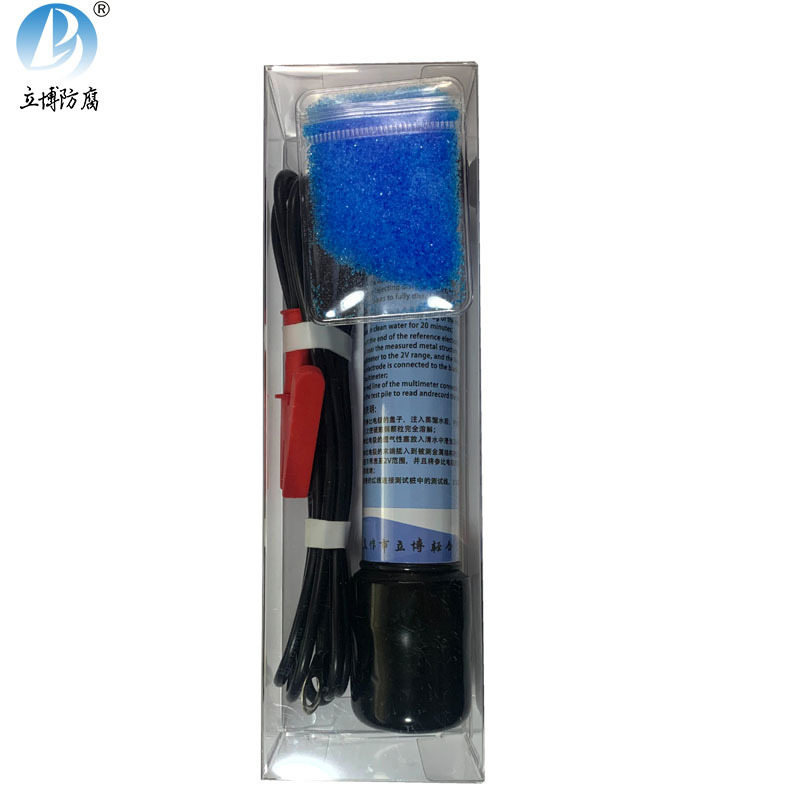
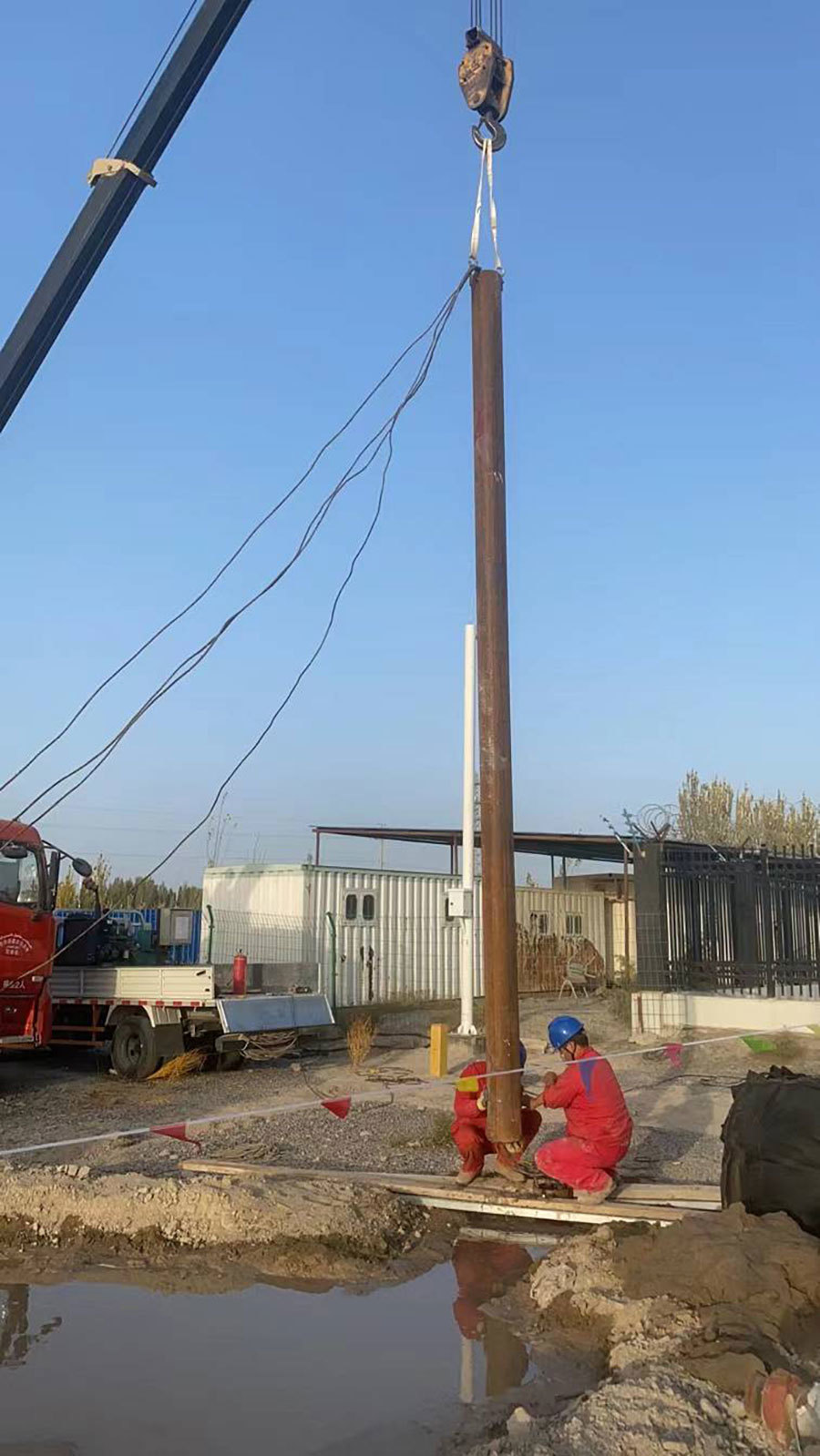
The company's main products: magnesium alloy sacrificial anode series, aluminum alloy sacrificial anode series, zinc alloy sacrificial anode series, and cathodic protection supporting products, such as more than a dozen varieties and hundreds of specifications.



Focus on the development and production of cathodic protection materials

online message
We will contact you within one working day. Please pay attention to your phone or email.