

Online Inquiry

We will contact you within one working day. Please pay attention to your phone or email.

Online Inquiry

Understanding Deep Well Anodes: Essential Components for Corrosion Protection in Construction


Release time:

2026-02-03

Deep well anodes are critical components in the field of corrosion control, particularly in construction and decorative materials. These anodes are primarily used in cathodic protection systems to mitigate the corrosion of metallic structures, such as pipelines, tanks, and foundations. By understanding the functionality and advantages of deep well anodes, professionals in the industry can make inf

Deep well anodes are critical components in the field of corrosion control, particularly in construction and decorative materials. These anodes are primarily used in cathodic protection systems to mitigate the corrosion of metallic structures, such as pipelines, tanks, and foundations. By understanding the functionality and advantages of deep well anodes, professionals in the industry can make informed decisions regarding their use in various applications.
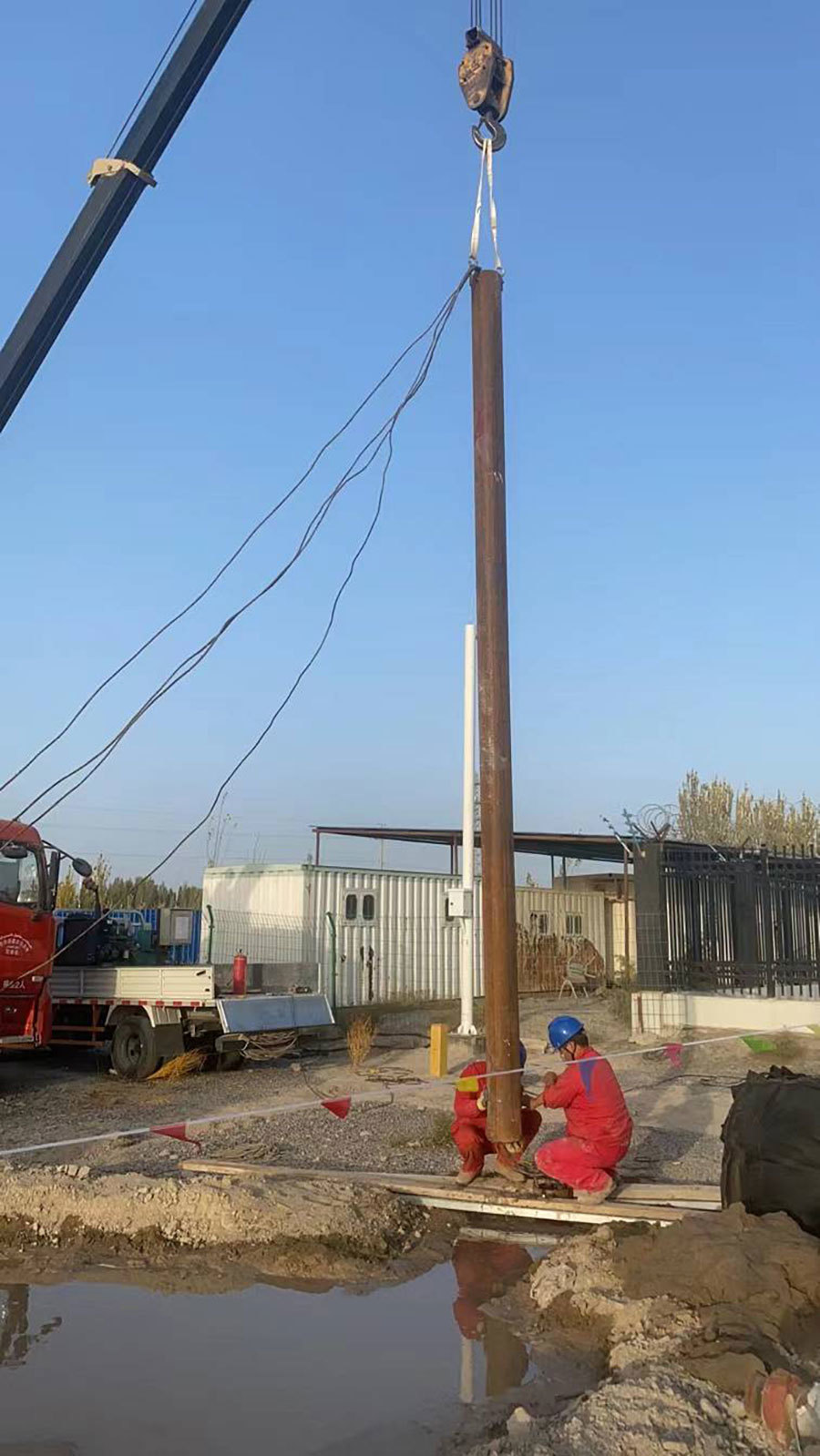
The primary function of a deep well anode is to provide a sacrificial metal that will corrode in place of the protected structure. Typically made from materials such as zinc, magnesium, or aluminum, these anodes are installed deep into the ground, where they can effectively interact with the surrounding soil and groundwater. When properly grounded, deep well anodes create a protective electrical current that slows down the oxidation process of the metal structures, thereby increasing their longevity and reducing maintenance costs.
One of the major advantages of deep well anodes is their effectiveness in challenging environments, such as areas with high soil resistivity or aggressive groundwater conditions. In these scenarios, traditional anodes may not provide adequate protection, while deep well anodes can deliver reliable performance due to their increased surface area and better electrical coupling with the soil. This enhanced performance makes them an ideal choice for heavy-duty applications, including marine structures, underground utilities, and storage tanks.
Installation of deep well anodes requires careful planning and execution. It is essential to conduct a thorough site assessment to understand soil conditions, resistivity, and potential corrosive factors that may affect the anode's performance. Additionally, proper depth and spacing must be determined to ensure optimal functionality. Once installed, routine inspections and monitoring are necessary to assess the condition of the anodes and make timely adjustments if needed.
In summary, deep well anodes play a vital role in the protection of metallic structures from corrosion in the construction and decorative materials sector. Their unique design and functionality offer significant advantages in various environments, ensuring the durability and reliability of critical infrastructures. By investing in deep well anodes, professionals can enhance their projects' overall resilience and operational efficiency, ultimately leading to cost savings and improved safety standards.

Key words:

Learn more about industry dynamics

The company's main products: magnesium alloy sacrificial anode series, aluminum alloy sacrificial anode series, zinc alloy sacrificial anode series, and cathodic protection supporting products, such as more than a dozen varieties and hundreds of specifications.

Cathodic protection of ships

The amount of stagnant dirty water in the ship's bilge is too small, so conventional anodes cannot provide protection. Experiments have been conducted using conductive adhesives to attach very flat anodes to polished surfaces, but the results showed that this method is not very effective. However, using aluminum or zinc alloy wire anodes with a steel core has yielded better results. These wire anodes have a diameter of 6 to 10 mm and are laid in a ring shape directly on the deck. They pass through fixed structural components and are secured in place with brazing. Sprinkling zinc powder on the relevant areas can increase activity and provide additional protection. Sprinkling 10 to 100 micrometers of zinc powder in corrosion pits can achieve good localized protection, but it is necessary to sprinkle zinc powder regularly, such as every 3 to 6 months. The wire anodes can be used for 2 years after installation.

Understanding Portable Reference Electrodes: Essential Tools for Environmental Monitoring

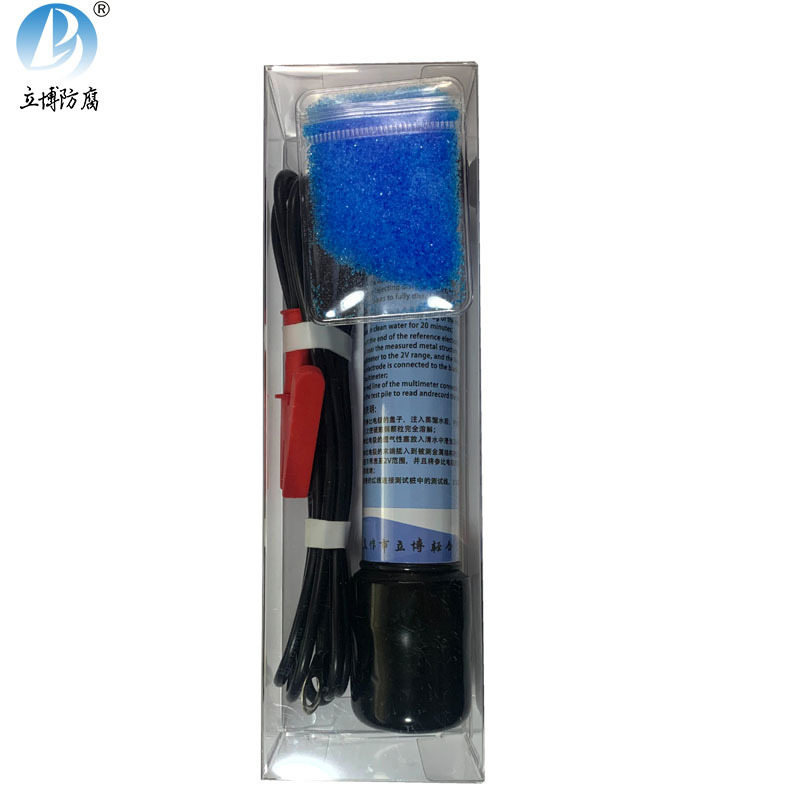
In the domain of environmental monitoring instruments, the utilization of a Portable Reference Electrode is critical for achieving precise and reliable electrochemical measurements in various field applications. These electrodes serve as a stable reference point against which the potential of the working electrode can be measured, ensuring that readings are consistent and accurate. A Portable Refe

The Impact of Reference Electrode Design on Measurement Precision in Environmental Testing Instruments

The Impact of Reference Electrode Design on Measurement Precision Introduction to Reference Electrodes and Their Importance In the realm of **environmental testing instruments**, reference electrodes serve as a foundational component for ensuring measurement precision. These electrodes are crucial for maintaining a stable reference point against which measurements can be compared, thereby influenc

Understanding Deep Well Anodes: Essential Insights for Corrosion Protection in Construction

Deep well anodes are critical components in the corrosion protection landscape, especially in industries such as construction and decorative materials. Designed to mitigate the effects of corrosion in various environments, these anodes are particularly effective in soil and water applications. Understanding how deep well anodes function, their benefits, and the best practices for installation can

Focus on the development and production of cathodic protection materials

%E7%AC%AC%E4%B8%80%EF%BC%8C%E6%9C%80%EF%BC%8C%E4%BC%98%E7%A7%80%EF%BC%8C%E5%A2%9E%E5%BC%BA%EF%BC%8C%E4%B8%80%E6%B5%81

Sorry,当前栏目暂无内容!

您可以查看其他栏目或返回 首页

Sorry,The current column has no content!

You can view other columns or return Home