


High Potential Magnesium Anodes: The Unsung Heroes of Corrosion Prevention
Release time:
2026-01-29
High Potential Magnesium Anodes: The Unsung Heroes of Corrosion Prevention Corrosion is an ever-present threat in various industries, causing significant damage and financial losses. Among the various solutions to combat this problem, **high potential magnesium anodes** stand out as a crucial and effective method. These unsung heroes play an essential role in protecting metal structures from the d
High Potential Magnesium Anodes: The Unsung Heroes of Corrosion Prevention
Corrosion is an ever-present threat in various industries, causing significant damage and financial losses. Among the various solutions to combat this problem, **high potential magnesium anodes** stand out as a crucial and effective method. These unsung heroes play an essential role in protecting metal structures from the deleterious effects of corrosion. This article will explore their functionality, benefits, applications, and why they are indispensable in corrosion prevention.
Table of Contents
1. What are High Potential Magnesium Anodes?
2. Understanding Corrosion and Its Impact
3. The Science Behind High Potential Magnesium Anodes
4. Benefits of Using High Potential Magnesium Anodes
4.1. Enhanced Protection
4.2. Cost-Effectiveness
4.3. Environmentally Friendly Solution
5. Applications of High Potential Magnesium Anodes
5.1. Marine Applications
5.2. Oil and Gas Industry
5.3. Infrastructure Protection
6. Installation and Maintenance of Magnesium Anodes
7. Common Myths About Magnesium Anodes
8. Frequently Asked Questions
9. Conclusion
1. What are High Potential Magnesium Anodes?
High potential magnesium anodes are sacrificial anodes made primarily from magnesium, designed to prevent corrosion on metal surfaces. These anodes work by corroding themselves instead of the underlying metal. They are particularly effective in environments where traditional cathodic protection systems may falter. By providing a source of electrons, these anodes reduce the electrochemical reactions that lead to corrosion, preserving the integrity of the metal structures they are attached to.
2. Understanding Corrosion and Its Impact
Corrosion is a natural process that occurs when metals react with their environment, leading to deterioration over time. This phenomenon can have severe implications for industries, including:
- Damaged infrastructure
- Increased maintenance costs
- Reduced safety and performance of equipment
- Environmental hazards
The economic impact of corrosion is staggering, with estimates suggesting global costs could exceed $2.5 trillion annually. Therefore, effective methods for corrosion prevention, such as high potential magnesium anodes, are essential for any industry reliant on metal structures.
3. The Science Behind High Potential Magnesium Anodes
The functionality of high potential magnesium anodes is rooted in electrochemistry. When these anodes are installed, they create a galvanic cell with the metal structure. This process involves the following steps:
1. **Anodic Reaction**: The magnesium anode undergoes oxidation, releasing electrons.
2. **Cathodic Reaction**: Electrons flow to the metal surface, which reduces the metal ions present, preventing corrosion.
3. **Sacrificial Nature**: As the magnesium anode continues to corrode, it sacrifices itself to protect the more valuable metal structure.
This unique mechanism is what makes high potential magnesium anodes a preferred choice in many applications.
4. Benefits of Using High Potential Magnesium Anodes
4.1. Enhanced Protection
High potential magnesium anodes provide robust protection against corrosion in various environments, including seawater, soil, and industrial applications. Their ability to remain effective even in harsh conditions makes them a reliable choice for safeguarding infrastructure.
4.2. Cost-Effectiveness
Investing in high potential magnesium anodes can lead to significant cost savings in the long run. By preventing corrosion, they extend the lifespan of metal structures, reducing the need for frequent repairs or replacements.
4.3. Environmentally Friendly Solution
As environmental concerns grow, high potential magnesium anodes present a sustainable solution. They are made from abundant and recyclable materials, offering an eco-friendly alternative to chemical corrosion inhibitors.
5. Applications of High Potential Magnesium Anodes
High potential magnesium anodes are utilized across diverse industries due to their effectiveness and reliability. Key applications include:
5.1. Marine Applications
In marine environments, ships, oil rigs, and underwater pipelines are particularly vulnerable to corrosion. High potential magnesium anodes are crucial in protecting these structures, ensuring their longevity and structural integrity.
5.2. Oil and Gas Industry
The oil and gas sector often operates in corrosive environments. High potential magnesium anodes are used to protect pipelines, tanks, and offshore platforms from corrosion, minimizing leaks and failures.
5.3. Infrastructure Protection
Bridges, dams, and other critical infrastructure can benefit from high potential magnesium anodes. By mitigating corrosion, these anodes enhance the durability and safety of vital structures.
6. Installation and Maintenance of Magnesium Anodes
To ensure optimal performance, proper installation and maintenance of high potential magnesium anodes are essential. Here are some key considerations:
- **Installation**: Position the anodes strategically where corrosion is most likely to occur. Ensure they are adequately connected to the metal structure.
- **Inspection**: Regularly inspect the anodes for signs of wear and corrosion to determine when replacements are necessary.
- **Environmental Factors**: Consider soil conditions and moisture levels, as these can impact the effectiveness of the anodes.
Following these guidelines will maximize the protective benefits of high potential magnesium anodes.
7. Common Myths About Magnesium Anodes
Despite their effectiveness, several myths about high potential magnesium anodes persist. Addressing these misconceptions is important for industries considering their use:
- **Myth 1**: Magnesium anodes are only effective in seawater.
- **Fact**: They work well in various environments, including freshwater and soil.
- **Myth 2**: All anodes are the same in performance.
- **Fact**: High potential magnesium anodes offer specific advantages over other materials.
- **Myth 3**: Anodes need to be replaced frequently.
- **Fact**: With proper maintenance, they can last several years before requiring replacement.
Understanding these myths can help industries make informed decisions regarding corrosion prevention strategies.
8. Frequently Asked Questions
1. What is the lifespan of high potential magnesium anodes?
The lifespan varies based on environmental conditions but typically ranges from 3 to 5 years.
2. Can high potential magnesium anodes be used in freshwater?
Yes, they are effective in both freshwater and saltwater environments.
3. How do I know when to replace my magnesium anodes?
Regular inspections will reveal signs of significant corrosion or depletion, indicating that replacement is necessary.
4. Are there alternatives to magnesium anodes?
Yes, there are alternatives such as zinc and aluminum anodes, but magnesium anodes offer specific advantages in certain conditions.
5. How do high potential magnesium anodes contribute to sustainability?
They are made from recyclable materials and help prevent environmental damage caused by corrosion.
9. Conclusion
High potential magnesium anodes are indeed the unsung heroes in the battle against corrosion. Their unique properties, combined with extensive applications across multiple industries, make them indispensable for protecting metal structures. By understanding the benefits, functionality, and proper maintenance of these anodes, industries can significantly reduce corrosion-related costs and enhance the longevity of their assets. In a world where infrastructure integrity is paramount, investing in high potential magnesium anodes is a proactive step toward ensuring safety, durability, and sustainability.
Key words:
Learn more about industry dynamics
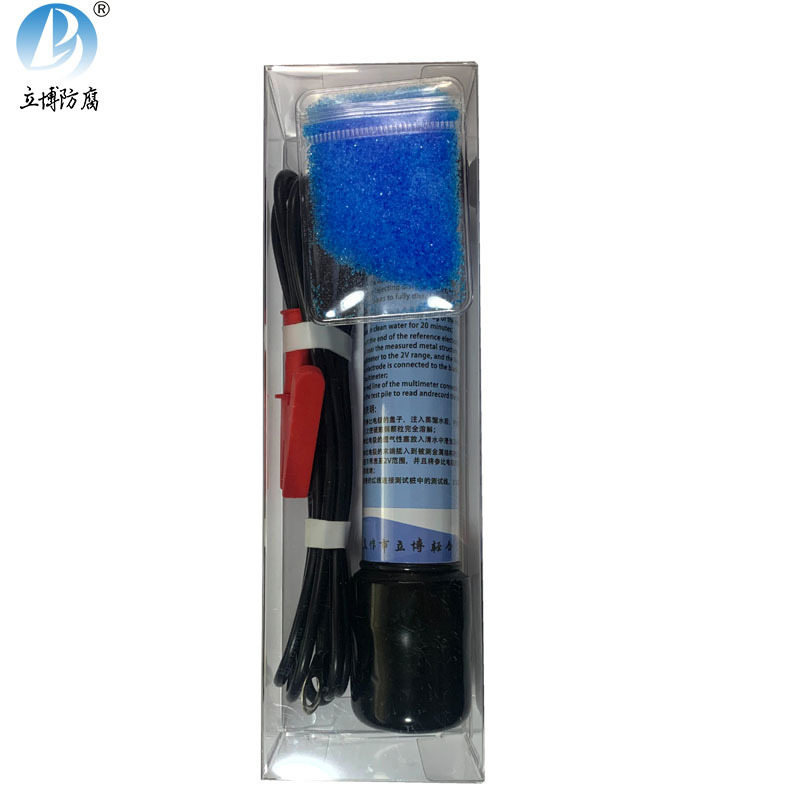
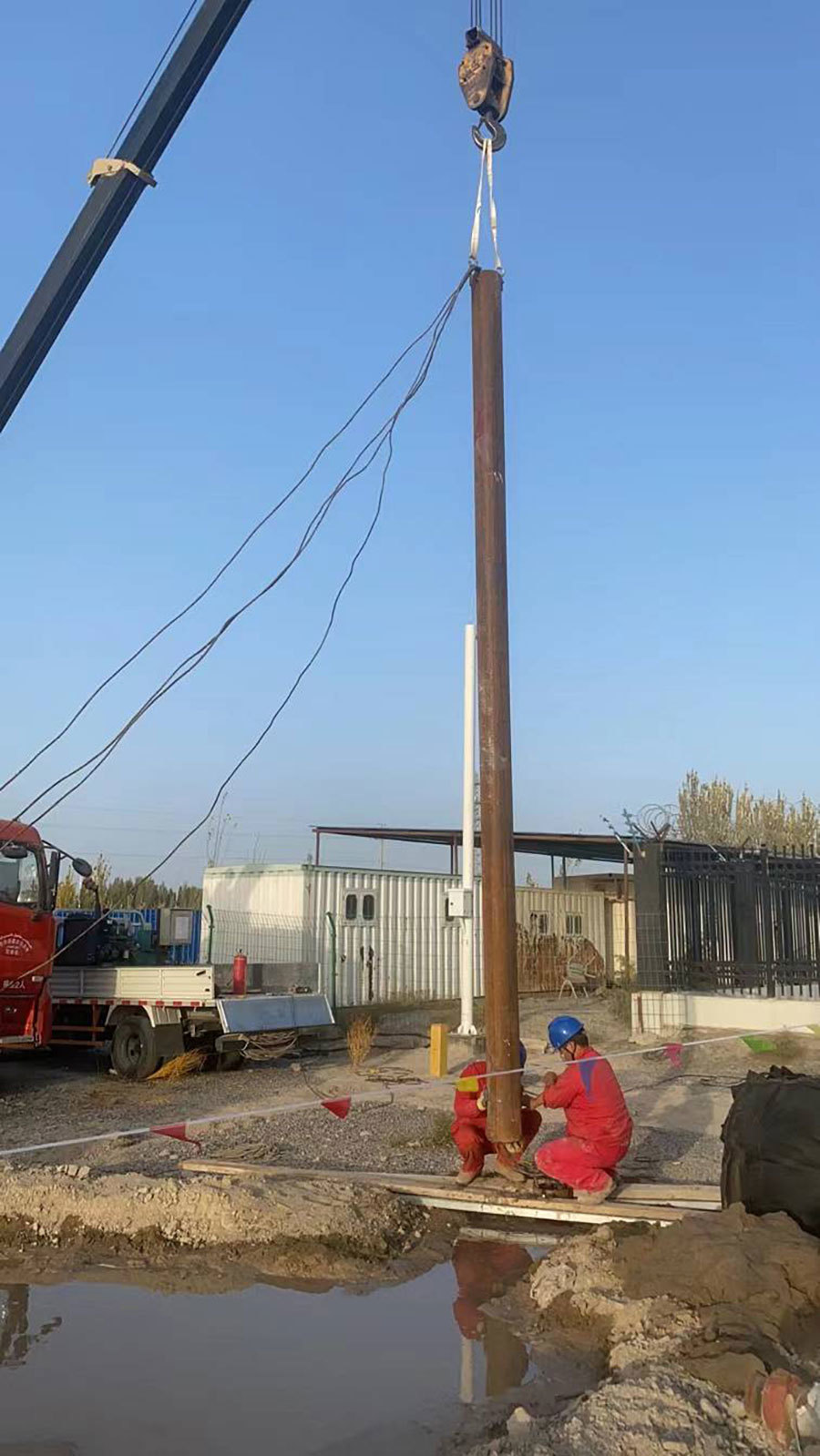
The company's main products: magnesium alloy sacrificial anode series, aluminum alloy sacrificial anode series, zinc alloy sacrificial anode series, and cathodic protection supporting products, such as more than a dozen varieties and hundreds of specifications.



Focus on the development and production of cathodic protection materials

online message
We will contact you within one working day. Please pay attention to your phone or email.