


Understanding Magnesium Anodes: Essential Components for Corrosion Protection in Construction
Release time:
2025-12-19
Magnesium anodes are increasingly recognized in the construction and decorative materials industries, particularly in the realm of corrosion protection. These anodes serve as a critical component in cathodic protection systems, which are designed to mitigate the electrochemical processes that lead to metal corrosion. Understanding how magnesium anodes work, their benefits, and their applications c
Corrosion is a significant concern in construction, where metal components are often exposed to moisture and other environmental factors that accelerate deterioration. Magnesium anodes function by sacrificing themselves to protect other metal structures. When they are installed, they corrode preferentially, thereby preventing the corrosion of more valuable materials, such as steel or aluminum. This process is known as galvanic protection, and it is essential for prolonging the integrity of buildings, bridges, pipelines, and other infrastructure.
One of the primary advantages of magnesium anodes is their lightweight nature, which makes them easy to handle and install. Additionally, magnesium is an abundant element, making these anodes a cost-effective choice for many applications. They are particularly effective in freshwater environments, where they provide an optimal balance between cost and corrosion protection efficiency.
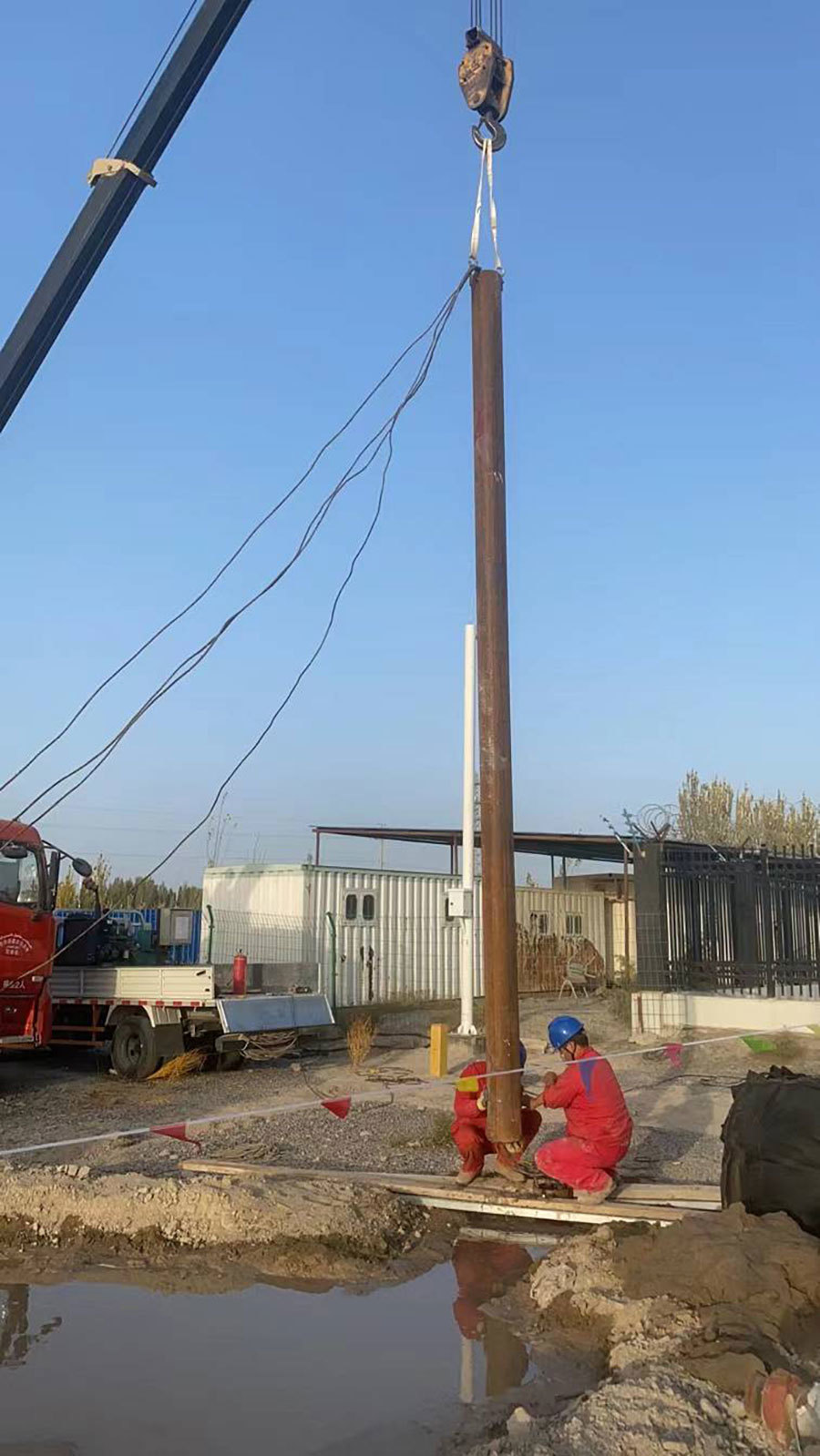
In terms of applications, magnesium anodes are widely used in various sectors, including marine, oil and gas, and civil engineering. In marine environments, for instance, they are commonly installed in ships, docks, and offshore platforms to protect steel hulls and structural components from seawater-induced corrosion. In the oil and gas industry, magnesium anodes are utilized to protect pipelines and storage tanks, ensuring the safety and longevity of these critical assets.
Moreover, in the context of building and decorative materials, magnesium anodes can be integrated into various structures to enhance corrosion resistance. For instance, when used in conjunction with metal reinforcements in concrete, magnesium anodes act as a safeguard against rust, thereby ensuring the longevity of architectural elements.
In conclusion, magnesium anodes are an indispensable tool in the fight against corrosion within the construction and decorative materials industries. Their unique properties and versatile applications make them a preferred choice for protecting valuable structures. Understanding the importance of magnesium anodes can lead to more informed decisions regarding materials used in construction, ultimately resulting in stronger, more durable buildings and infrastructure.
Key words:
Learn more about industry dynamics
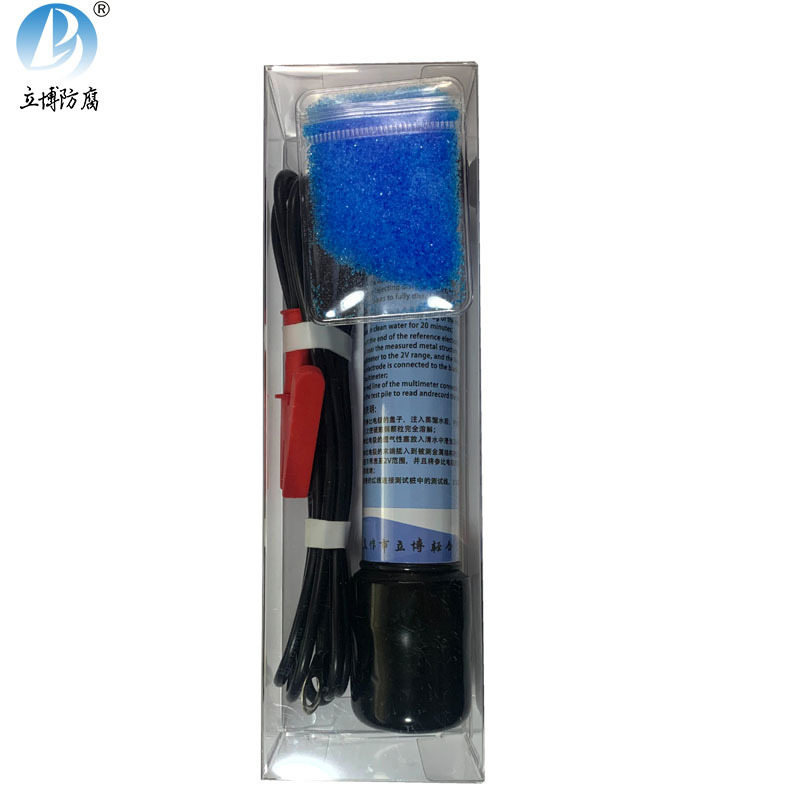
The company's main products: magnesium alloy sacrificial anode series, aluminum alloy sacrificial anode series, zinc alloy sacrificial anode series, and cathodic protection supporting products, such as more than a dozen varieties and hundreds of specifications.



Focus on the development and production of cathodic protection materials

online message
We will contact you within one working day. Please pay attention to your phone or email.