


Cathodic Protection Material Supports Long-Term Corrosion Prevention in Infrastructure and Industrial Systems
Release time:
2026-07-08
Cathodic protection material provides effective corrosion control for metal structures with reliable electrochemical performance durable protection and long service life widely used in pipelines tanks marine and industrial systems
The global corrosion control industry is continuing to develop in 2026, with Cathodic protection material becoming an increasingly important solution for extending the service life of metal structures and protecting critical infrastructure. As industries face growing challenges from corrosion in pipelines, marine facilities, storage tanks, and underground structures, advanced cathodic protection technologies are gaining wider application.
Cathodic protection material refers to specialized metallic components and related materials used in electrochemical corrosion protection systems. By controlling the electrochemical reactions occurring on metal surfaces, these materials help reduce corrosion damage and improve the durability of steel structures exposed to harsh environments.
Corrosion remains a major concern across many industries, especially in oil and gas, marine engineering, transportation infrastructure, and water management systems. Without effective protection, metal structures can experience gradual deterioration, leading to higher maintenance costs, safety risks, and reduced operational efficiency.
A corrosion engineering specialist explained that “preventing corrosion at an early stage is more economical than repairing damaged structures. Reliable cathodic protection materials provide continuous protection and help extend asset lifecycles.”
In pipeline systems, Cathodic protection material plays a critical role in protecting buried and underwater pipelines from electrochemical corrosion. These materials help maintain pipeline integrity and support safer transportation of oil, gas, and other fluids.
The marine industry is another major application area. Ships, offshore platforms, port facilities, and underwater equipment are constantly exposed to seawater, which accelerates corrosion processes. Cathodic protection systems using suitable materials help reduce metal loss and improve service reliability.
Common cathodic protection materials include sacrificial anode materials and components used in impressed current systems. Aluminum, zinc, and magnesium-based materials are widely selected due to their electrochemical properties and suitability for different environments.
Technological advancements are improving the performance of modern cathodic protection solutions. Manufacturers are developing materials with better current efficiency, longer service life, and improved adaptability to complex operating conditions.
Environmental factors are also influencing product development. Engineers are focusing on optimized material compositions and protection strategies to achieve effective corrosion control while reducing maintenance frequency and resource consumption.
Customization is becoming increasingly important because different applications require different protection methods. Material selection depends on factors such as structure type, environmental conditions, water chemistry, and expected service life.
With continued investment in infrastructure development and industrial asset protection, demand for reliable Cathodic protection material is expected to grow. By providing effective corrosion prevention and improving structural durability, these materials will remain essential for maintaining safe and sustainable industrial systems.
Key words:
Learn more about industry dynamics
The company's main products: magnesium alloy sacrificial anode series, aluminum alloy sacrificial anode series, zinc alloy sacrificial anode series, and cathodic protection supporting products, such as more than a dozen varieties and hundreds of specifications.

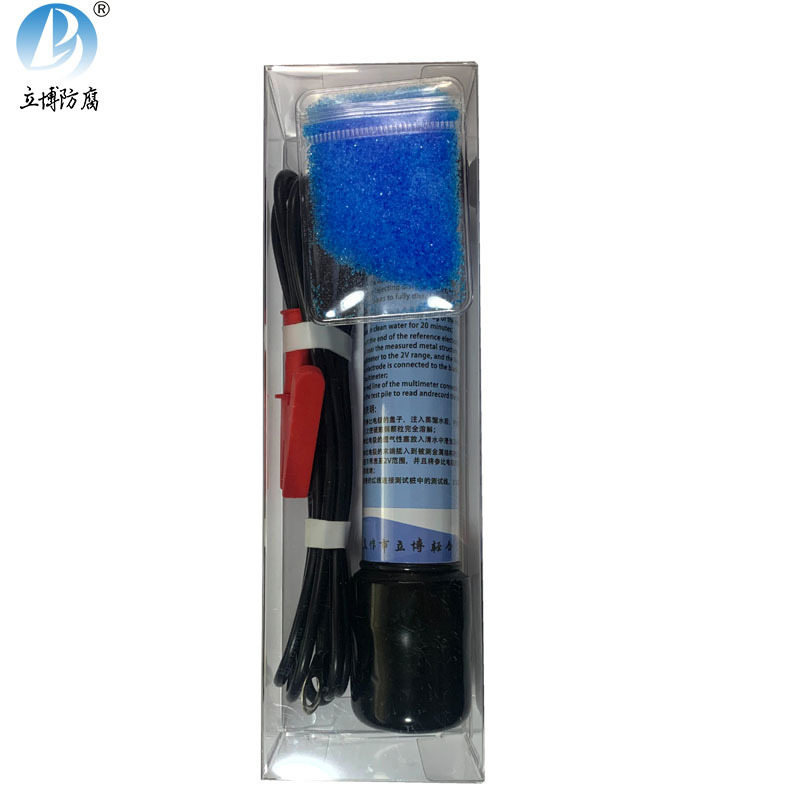

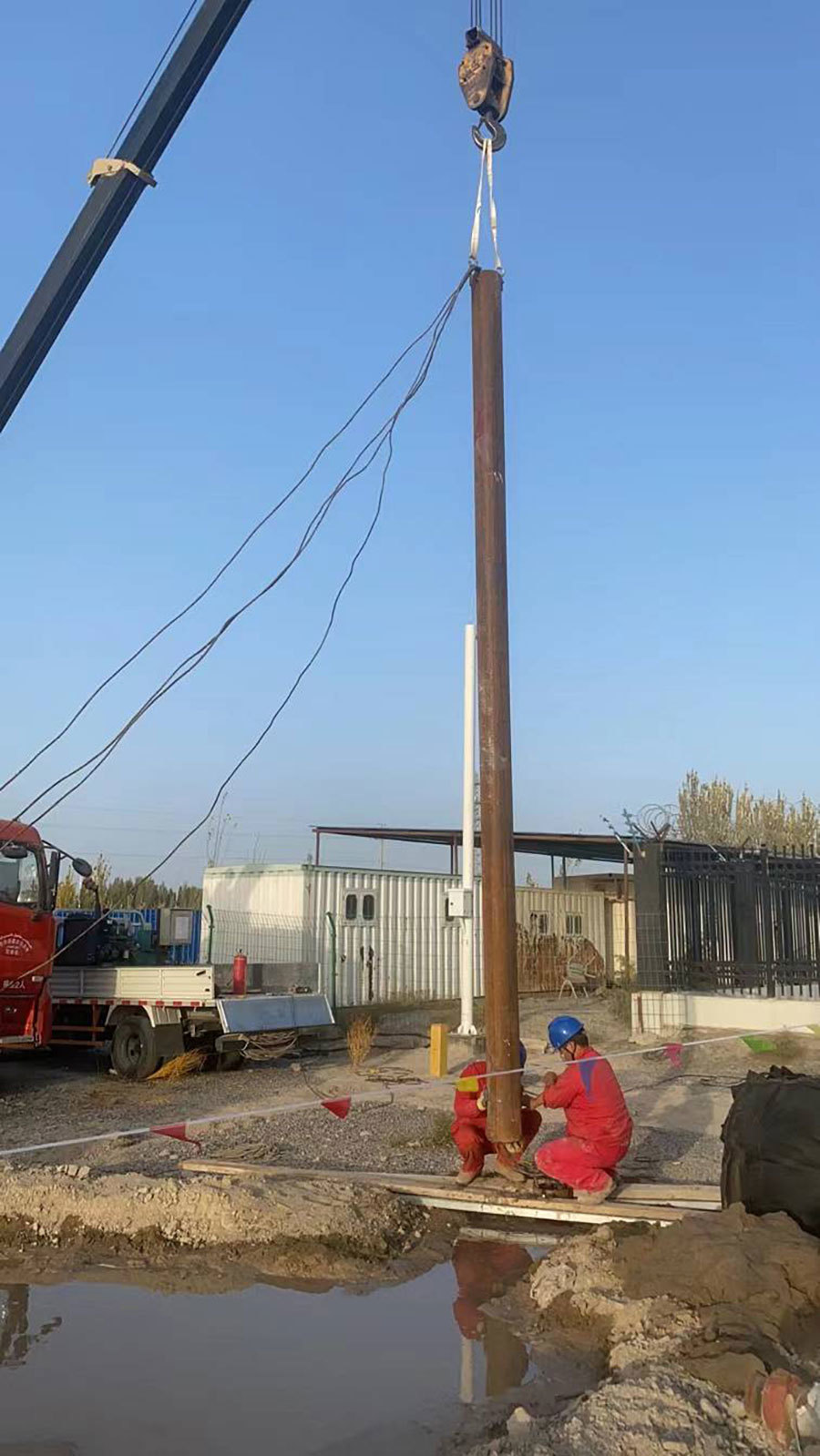

Focus on the development and production of cathodic protection materials

online message
We will contact you within one working day. Please pay attention to your phone or email.