


Why Reference Electrode is Essential for Accurate Online Monitoring
Release time:
2025-06-28
Accuracy in online monitoring is paramount. Reference electrodes provide a stable baseline, allowing for reliable comparisons over time. Without a reference, readings can drift, leading to false conclusions about the monitored environment. For instance, in water quality monitoring, an inaccurate pH reading could result in improper treatment decisions, adversely affecting ecosystems and public health.
Accuracy in online monitoring is paramount. Reference electrodes provide a stable baseline, allowing for reliable comparisons over time. Without a reference, readings can drift, leading to false conclusions about the monitored environment. For instance, in water quality monitoring, an inaccurate pH reading could result in improper treatment decisions, adversely affecting ecosystems and public health.
Environmental factors such as temperature fluctuations, ionic strength variation, and contamination can introduce noise into measurements. A **reference electrode** mitigates these effects by providing a consistent reference point. By compensating for these variables, reference electrodes help to ensure that readings reflect true changes in the monitored environment rather than artifacts of measurement.
Properly functioning reference electrodes contribute to the overall durability of online monitoring systems. By providing stable and reliable readings, they reduce wear and tear on sensors, ultimately extending their lifespan. This not only leads to cost savings in maintenance and replacement but also ensures continuous compliance with regulatory standards.
In water treatment facilities, reference electrodes play a vital role in measuring parameters such as pH and conductivity. These measurements are critical for ensuring that water meets safety standards for consumption. Continuous monitoring allows for immediate adjustments to treatment processes, preventing contamination and ensuring public safety.
Manufacturing processes often require precise control over chemical reactions. Reference electrodes are essential in these settings, ensuring that variables such as acidity or alkalinity remain within specified limits. This precision is crucial in industries such as food and beverage, pharmaceuticals, and chemical manufacturing.
In environmental science, reference electrodes are used to monitor soil and groundwater quality. Researchers rely on accurate data to assess contamination levels and the effectiveness of remediation efforts. The role of reference electrodes in providing reliable data cannot be overstated, as it directly impacts environmental health assessments.
While reference electrodes are essential for accurate online monitoring, they do require regular maintenance. Over time, the electrolyte solution can deplete or become contaminated, leading to compromised readings. Regular checks and timely replacement of the electrolyte are necessary to ensure consistent performance.
Calibration is another critical aspect of using reference electrodes. Regular calibration against known standards ensures that the reference electrode remains stable over time. This process can be resource-intensive but is necessary to maintain the accuracy of online monitoring systems.
In summary, reference electrodes are essential for accurate online monitoring across various industries, from water quality management to industrial process control and environmental research. By providing a stable reference point, they ensure that measurements are not only accurate but also reliable over time, minimizing errors caused by environmental fluctuations.
Investing in high-quality reference electrodes and committing to regular maintenance and calibration will significantly enhance the performance of online monitoring systems. As industries increasingly rely on real-time data for decision-making, the role of reference electrodes will only continue to grow in importance.
Key words:
Learn more about industry dynamics
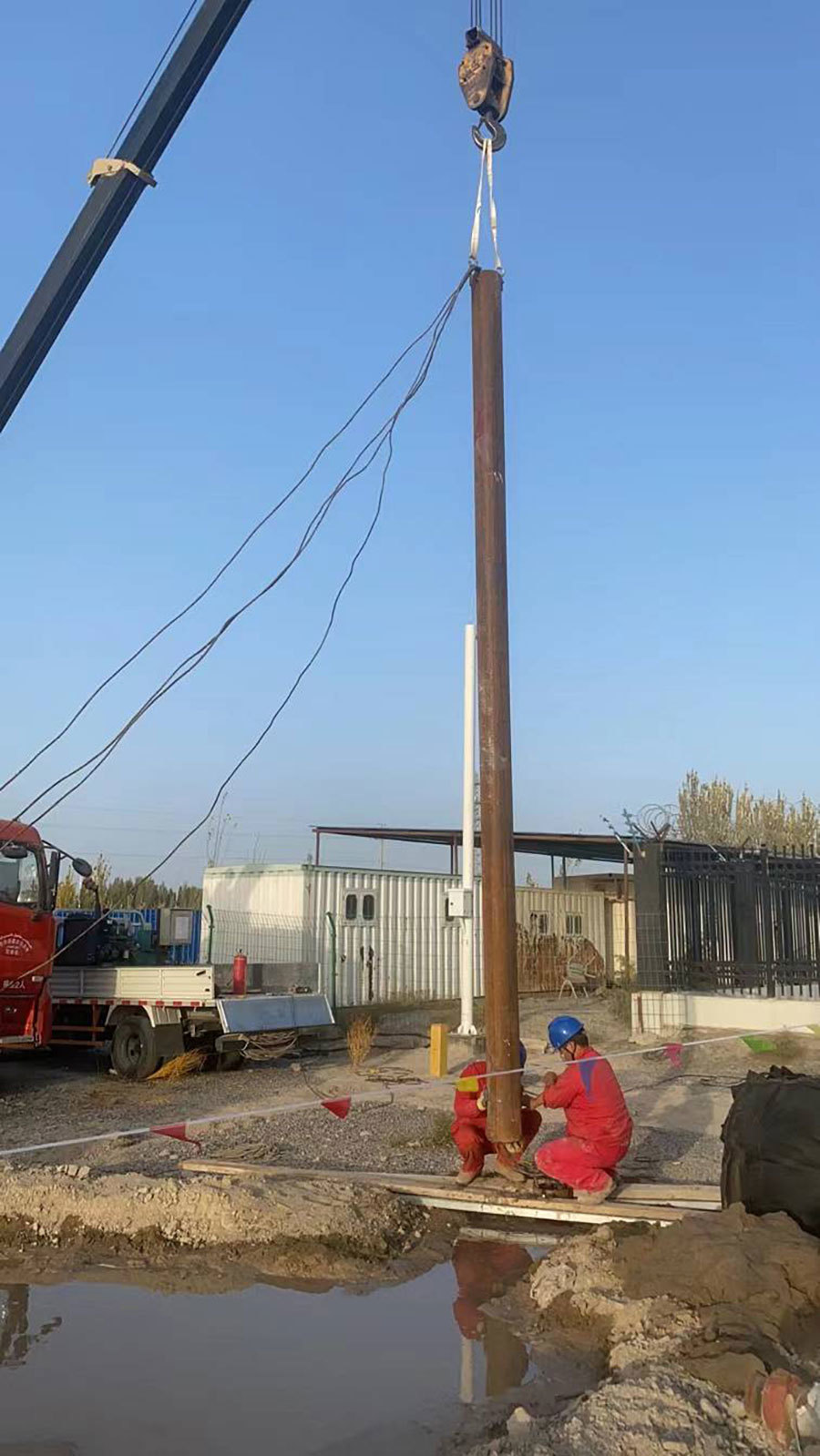
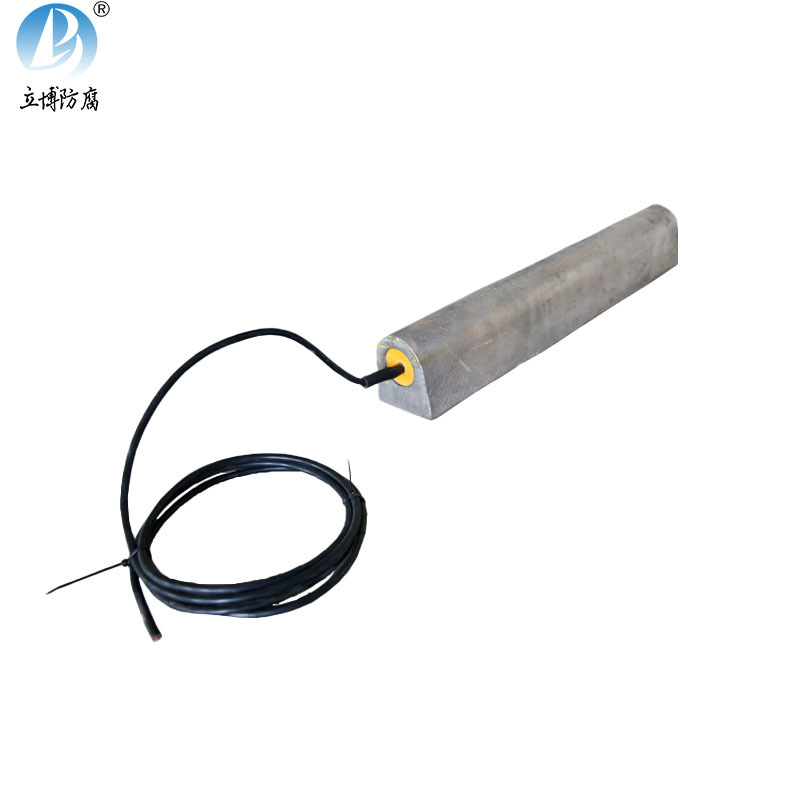
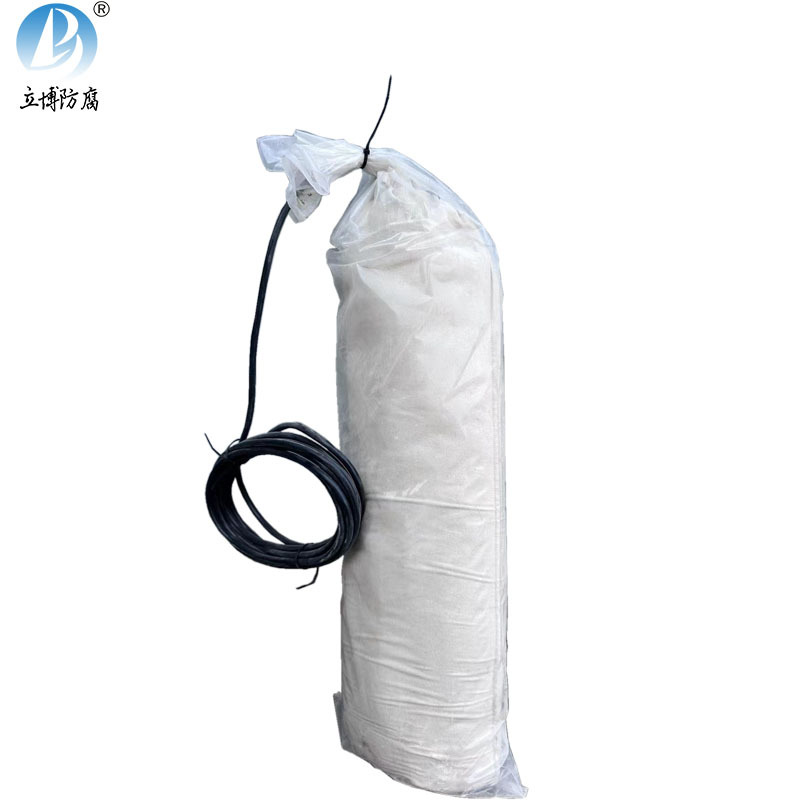
The company's main products: magnesium alloy sacrificial anode series, aluminum alloy sacrificial anode series, zinc alloy sacrificial anode series, and cathodic protection supporting products, such as more than a dozen varieties and hundreds of specifications.


Focus on the development and production of cathodic protection materials

online message
We will contact you within one working day. Please pay attention to your phone or email.