


The Role of Aluminum Anodes in Effective Corrosion Prevention
Release time:
2025-07-08
Corrosion is a pervasive issue that can lead to severe damage and costly repairs in various structures and equipment. It occurs when metals react with environmental elements, leading to deterioration. In this context, aluminum anodes act as a sacrificial material to prevent corrosion in metals like steel and iron. By understanding the role of aluminum anodes in effective corrosion prevention, industries can protect their assets and extend their lifespan significantly.
Corrosion is a pervasive issue that can lead to severe damage and costly repairs in various structures and equipment. It occurs when metals react with environmental elements, leading to deterioration. In this context, aluminum anodes act as a sacrificial material to prevent corrosion in metals like steel and iron. By understanding the role of aluminum anodes in effective corrosion prevention, industries can protect their assets and extend their lifespan significantly.
Corrosion is an electrochemical process that results in the degradation of metals. It occurs when metals are exposed to moisture, air, or chemicals, leading to oxidation. This deterioration can manifest in various forms, such as rust, pitting, or general corrosion. Understanding corrosion is essential, as it affects infrastructure, vehicles, and many industrial applications, leading to unexpected failures and safety hazards.
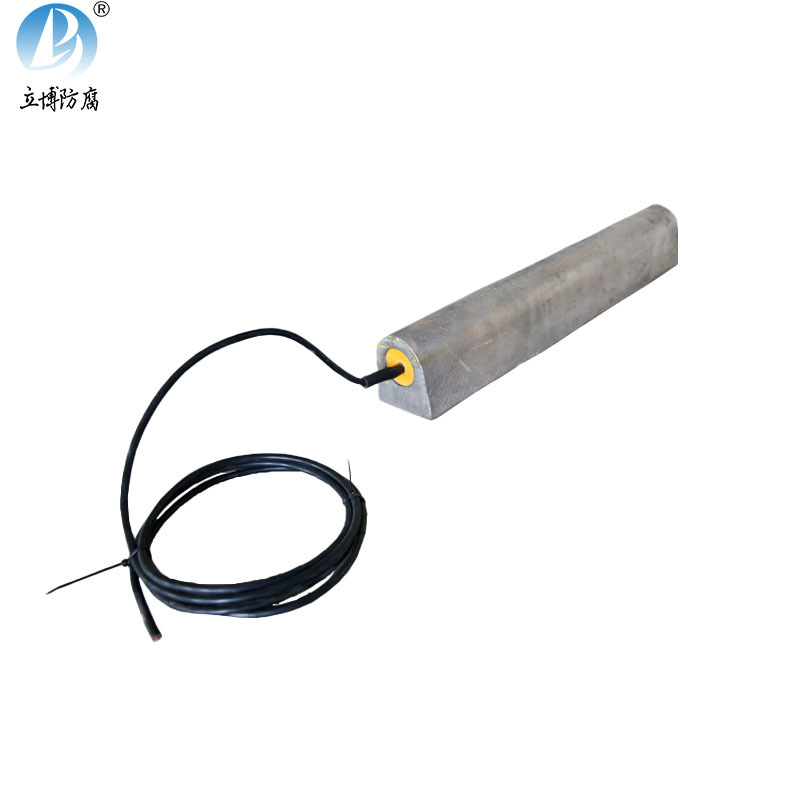
Aluminum anodes are specially designed components made from aluminum alloys that serve as sacrificial anodes in cathodic protection systems. When connected to a structure subject to corrosion, aluminum anodes corrode preferentially, protecting the underlying metal from degradation. This method is widely utilized in various applications, offering an effective solution to combat corrosion.
Aluminum anodes play a vital role in effective corrosion prevention across various industries. By understanding how these anodes function and their applications, businesses can take proactive measures to protect their assets. With benefits such as cost-effectiveness, enhanced durability, and environmental safety, aluminum anodes are an indispensable tool in the fight against corrosion. Prioritizing the implementation of aluminum anodes will ensure the longevity and safety of structures, ultimately leading to significant savings and reduced risk.
Key words:
Learn more about industry dynamics
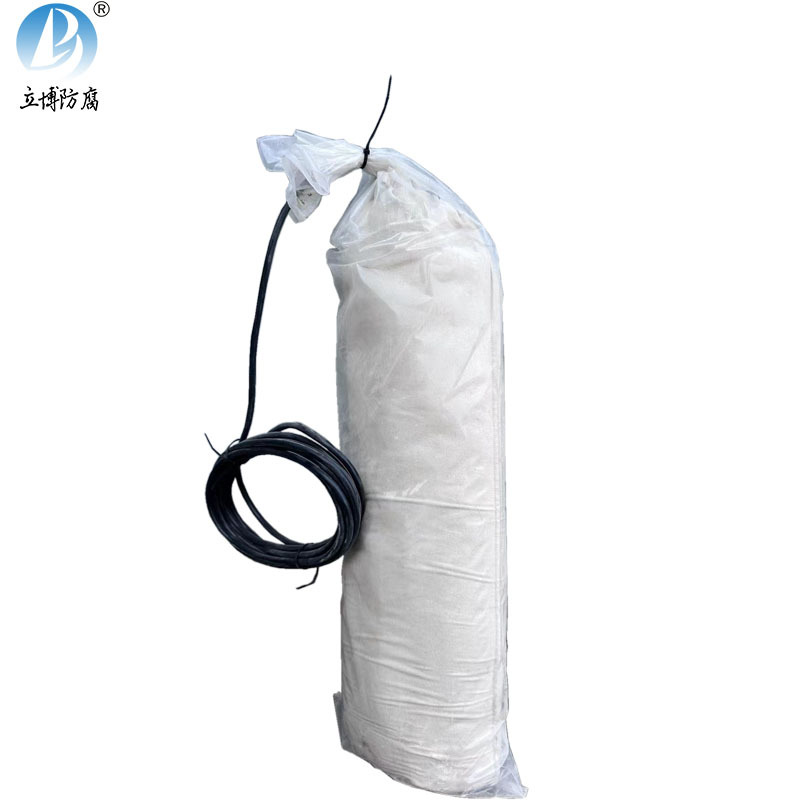
The company's main products: magnesium alloy sacrificial anode series, aluminum alloy sacrificial anode series, zinc alloy sacrificial anode series, and cathodic protection supporting products, such as more than a dozen varieties and hundreds of specifications.

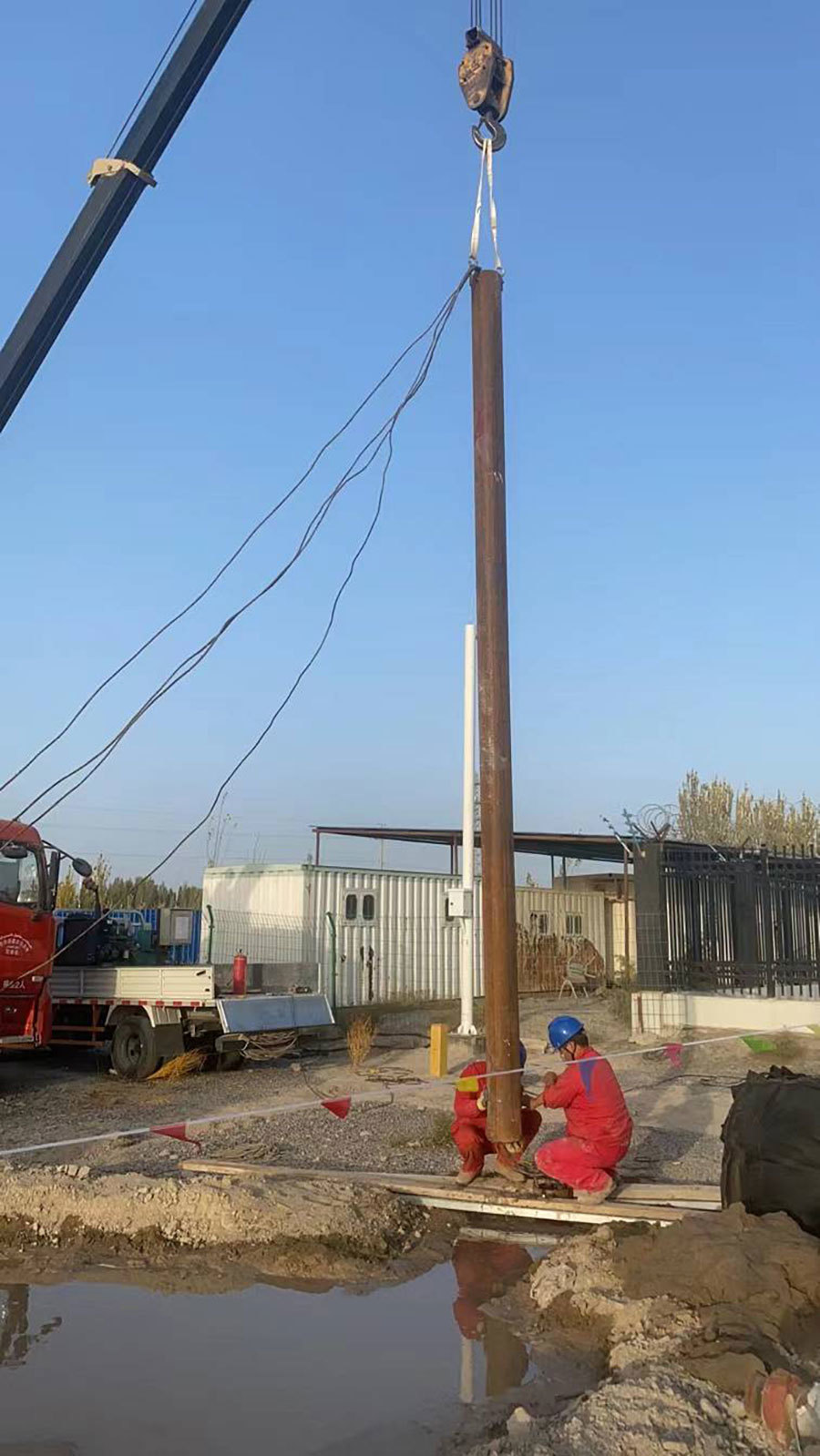

Focus on the development and production of cathodic protection materials

online message
We will contact you within one working day. Please pay attention to your phone or email.