


The Critical Importance of High Potential Magnesium Anodes in Corrosion Protection
Release time:
2025-05-19
Unlocking Durability: The Critical Importance of High Potential Magnesium Anodes in Corrosion Protection Table of Contents 1. Introduction to Corrosion and Its Impact on Infrastructure 2. Understanding Corrosion: What You Need to Know 3. High Potential Magnesium Anodes: An Overview 3.1. What Are Magnesium Anodes? 3.2. How High Potential Magnesium Anodes Work 4. The Benefits of Using High Potential
Corrosion is a natural process that leads to the deterioration of materials, particularly metals, due to chemical reactions with their environment. This phenomenon poses a significant threat to infrastructure, leading to substantial financial losses and compromised safety. Understanding corrosion is paramount for industries ranging from construction to marine operations, where the integrity of materials is critical.
Corrosion occurs through various mechanisms, including galvanic corrosion, uniform corrosion, and pitting corrosion. Each type presents unique challenges and demands effective protection strategies. By grasping the fundamentals of corrosion, stakeholders can better appreciate the importance of proactive measures like using high potential magnesium anodes.
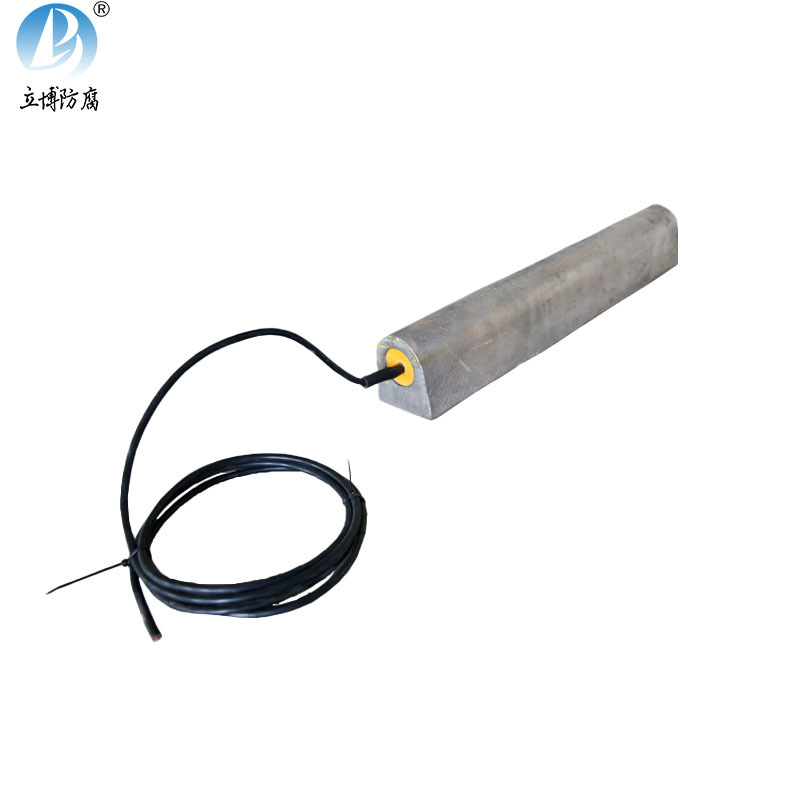
Magnesium anodes are sacrificial anodes made from magnesium alloys, designed to protect metal structures from corrosion. They function by corroding preferentially, thereby preserving the integrity of the underlying metal. These anodes are widely used due to their effectiveness and affordability.
High potential magnesium anodes operate on the principles of electrochemistry. When connected to a metallic structure, they create a galvanic cell, where magnesium acts as the anode and the structure as the cathode. This setup facilitates the flow of electrons, thus preventing corrosion on the protected metal surface.
High potential magnesium anodes provide superior corrosion resistance compared to conventional anodes. Their unique properties allow for a more robust protective barrier, prolonging the lifespan of structures exposed to harsh environments.
Investing in high potential magnesium anodes is not only beneficial for immediate corrosion protection but also economically advantageous over the long term. Their durability reduces the frequency of replacements and maintenance, resulting in significant cost savings.
In the marine industry, high potential magnesium anodes are crucial for protecting ships, offshore platforms, and submerged pipelines. The corrosive nature of seawater necessitates robust protection methods, making these anodes an essential component of marine engineering.
The oil and gas sector relies heavily on high potential magnesium anodes for safeguarding pipelines and storage tanks. The aggressive environments in which these structures operate demand reliable corrosion protection to maintain operational integrity.
In civil engineering, high potential magnesium anodes are employed to protect bridges, buildings, and other structures from corrosion. This application is vital for ensuring the safety and longevity of infrastructure projects.
The effectiveness of high potential magnesium anodes can be significantly influenced by environmental conditions such as soil resistivity, moisture levels, and temperature. Understanding these factors is essential for optimizing anode performance.
Selecting compatible materials is critical when integrating high potential magnesium anodes into existing systems. Non-compatible materials can undermine the protective benefits, leading to premature failure and unexpected maintenance costs.
Correct installation is paramount for ensuring the effectiveness of high potential magnesium anodes. Proper positioning, electrical connections, and grounding strategies must be employed to maximize protection against corrosion.
Routine inspections and maintenance are integral to the longevity of magnesium anodes. Regular monitoring can help identify issues early, allowing for timely interventions that enhance overall system performance.
High potential magnesium anodes play a critical role in safeguarding infrastructure against the damaging effects of corrosion. Their superior performance, cost-effectiveness, and versatility in various applications make them an invaluable asset in modern engineering practices. Investing in these innovative solutions not only enhances the durability of materials but also ensures the safety and reliability of structures for years to come. By understanding the science behind corrosion and leveraging advanced protection techniques, industries can effectively mitigate risks and prolong the lifespan of their investments.
Key words:
Learn more about industry dynamics
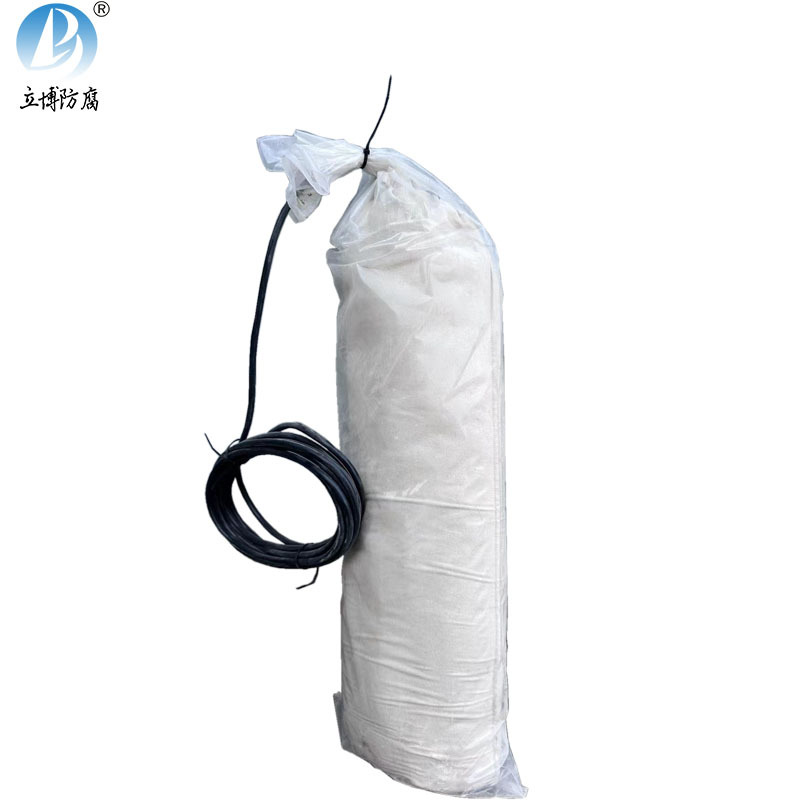
The company's main products: magnesium alloy sacrificial anode series, aluminum alloy sacrificial anode series, zinc alloy sacrificial anode series, and cathodic protection supporting products, such as more than a dozen varieties and hundreds of specifications.


Focus on the development and production of cathodic protection materials

online message
We will contact you within one working day. Please pay attention to your phone or email.