


How Bracelet-Style Anodized Aluminum Enhances Decorative Materials
Release time:
2025-04-22
Anodized aluminum has emerged as a revolutionary material in the construction and decorative materials sector. Its ability to combine functionality with aesthetic appeal makes it a preferred choice among architects and designers alike. By subjecting aluminum to an electrochemical process, it gains an oxide layer that enhances its properties, paving the way for various applications that cater to modern design sensibilities.
Anodized aluminum has emerged as a revolutionary material in the construction and decorative materials sector. Its ability to combine functionality with aesthetic appeal makes it a preferred choice among architects and designers alike. By subjecting aluminum to an electrochemical process, it gains an oxide layer that enhances its properties, paving the way for various applications that cater to modern design sensibilities.
Bracelet-style anodized aluminum, in particular, has gained traction in the industry due to its unique appearance and versatility. Unlike traditional anodized aluminum, this style features a more refined and elegant aesthetic that mirrors the intricate designs typically found in jewelry. This article will explore the multifaceted benefits of bracelet-style anodized aluminum and how it enhances decorative materials, making it an invaluable asset in modern architecture.
Bracelet-style anodized aluminum refers to aluminum components that have undergone anodization, resulting in a lustrous finish reminiscent of fine jewelry. This process not only enriches the visual appeal of the aluminum but also adds a layer of protection against corrosion and wear.
The term "bracelet-style" evokes imagery of intricate patterns, vibrant colors, and a polished look that can seamlessly integrate into both contemporary and traditional design schemes. This makes it particularly appealing for decorative elements in architecture, furniture, and various design applications.
Bracelet-style anodized aluminum offers an array of colors and finishes, allowing designers to explore numerous creative avenues. From subtle metallic tones to vibrant hues, the options are virtually limitless.
The anodization process significantly increases the surface hardness of aluminum, making it resistant to scratches, fading, and corrosion. This durability is essential for decorative materials exposed to varying environmental conditions.
Bracelet-style anodized aluminum is significantly lighter than other metals, making it easier to handle and install. This characteristic is particularly advantageous in applications where weight is a concern.
Aluminum is inherently recyclable, and the anodization process does not involve harmful chemicals. This eco-friendliness aligns with the growing trend toward sustainable building practices.
The visual allure of bracelet-style anodized aluminum cannot be overstated. Its reflective qualities create a dynamic interplay of light and color, enhancing the overall ambiance of any space.
Many manufacturers offer customizable textures and patterns during the anodization process. This ability to create bespoke designs allows architects and designers to infuse personal touches into their projects.
Bracelet-style anodized aluminum complements a wide range of materials, including glass, wood, and stone. This compatibility facilitates innovative design solutions that blend different elements for a cohesive aesthetic.
Bracelet-style anodized aluminum represents a harmonious blend of beauty and functionality in the realm of decorative materials. Its aesthetic versatility, durability, and eco-friendliness make it an ideal choice for modern architecture and design. As trends continue to evolve, the opportunities for innovative applications will further solidify its place as a staple in the industry. Embracing this material can lead to stunning design solutions that not only elevate spaces but also contribute positively to the environment.
Key words:
Learn more about industry dynamics
The company's main products: magnesium alloy sacrificial anode series, aluminum alloy sacrificial anode series, zinc alloy sacrificial anode series, and cathodic protection supporting products, such as more than a dozen varieties and hundreds of specifications.

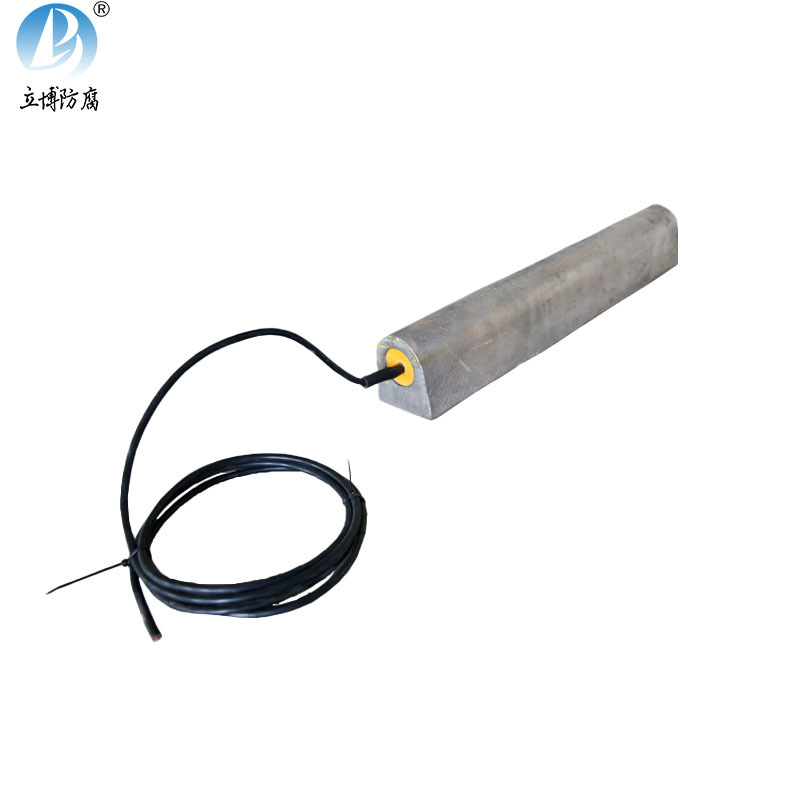
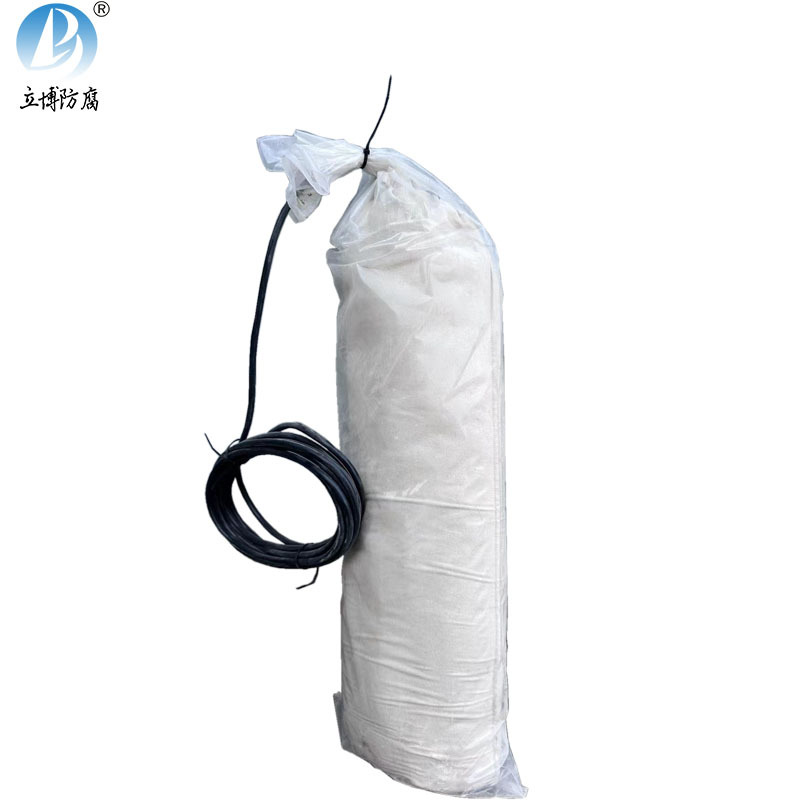

Focus on the development and production of cathodic protection materials

online message
We will contact you within one working day. Please pay attention to your phone or email.