


Why Choose Irregular Zinc Anodes for Your Construction Projects?
Release time:
2025-04-30
In the world of construction, the integrity and longevity of materials are paramount. Among various protective measures, the use of anodes plays a crucial role in preventing corrosion, especially in structures exposed to moisture and harsh environments. This article delves into the compelling reasons why irregular zinc anodes are an optimal choice for your construction projects, detailing their benefits, applications, and the science behind their effectiveness.
In the world of construction, the integrity and longevity of materials are paramount. Among various protective measures, the use of anodes plays a crucial role in preventing corrosion, especially in structures exposed to moisture and harsh environments. This article delves into the compelling reasons why irregular zinc anodes are an optimal choice for your construction projects, detailing their benefits, applications, and the science behind their effectiveness.
Before exploring the unique advantages of irregular zinc anodes, it’s essential to understand what they are and how they function. Zinc anodes are sacrificial anodes made from zinc metal, primarily used to protect other metal structures from corrosion through a process known as cathodic protection. When exposed to moisture or electrolytic conditions, the zinc anodes corrode preferentially, thereby extending the life of the underlying metal components.
Corrosion is a natural process that occurs when metals react with environmental factors such as water, oxygen, and salts. The electrochemical reactions that lead to corrosion can be mitigated by using sacrificial anodes. In a cathodic protection system, the irregular zinc anodes provide a constant supply of electrons, thus preventing the corrosion of more valuable structures such as steel, copper, and aluminum.
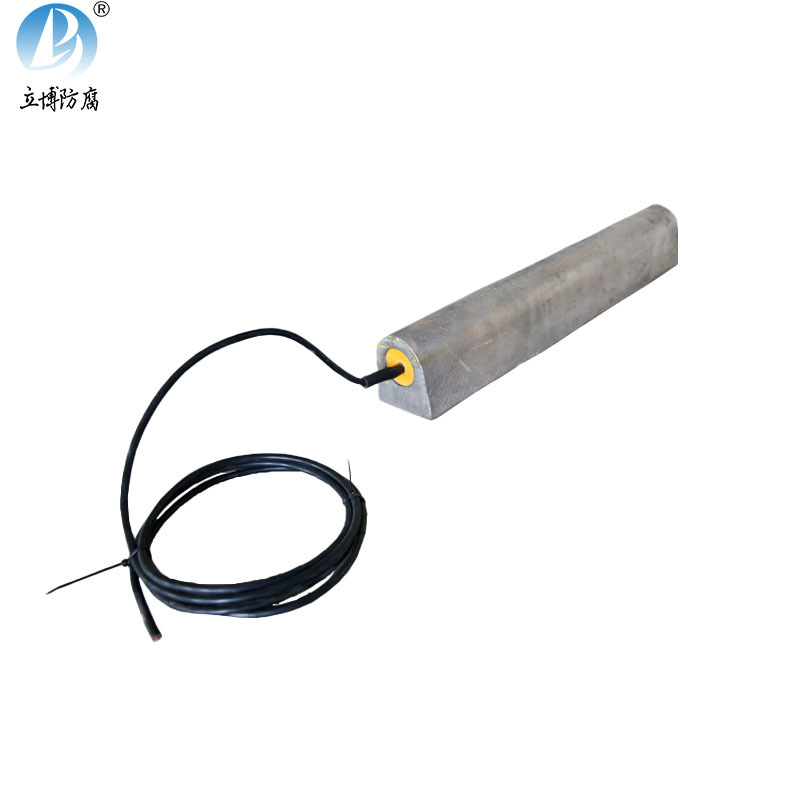
One of the most significant advantages of irregular zinc anodes is their enhanced surface area. Unlike traditional, uniform anodes, irregular shapes allow for more efficient electron distribution. This variability ensures that every exposed area of the anode contributes to corrosion prevention, providing more comprehensive protection for your construction materials.
The unique shapes of irregular zinc anodes allow for better mechanical interlocking with the substrate material. This characteristic leads to improved adhesion, making them particularly effective in harsh environments where traditional anodes might fail. The secure integration of these anodes into constructions ensures that they remain in place and function correctly over extended periods.
While the initial investment in irregular zinc anodes may be higher than conventional options, their long-term benefits far outweigh the costs. Their durability reduces the frequency of replacements and maintenance interventions, ultimately leading to lower overall expenses. For construction projects, this translates into significant savings and a higher return on investment.
Choosing irregular zinc anodes for your construction projects presents a myriad of advantages, from enhanced corrosion protection to long-term cost savings and environmental benefits. Their unique characteristics, such as improved surface area and better adhesion, make them a superior choice for safeguarding structures in various conditions. As the construction industry continues to prioritize sustainability and durability, irregular zinc anodes stand out as a reliable and effective solution. By integrating these anodes into your projects, you can ensure the longevity and integrity of your construction, ultimately leading to successful outcomes and satisfied stakeholders.
Key words:
Learn more about industry dynamics
The company's main products: magnesium alloy sacrificial anode series, aluminum alloy sacrificial anode series, zinc alloy sacrificial anode series, and cathodic protection supporting products, such as more than a dozen varieties and hundreds of specifications.


Focus on the development and production of cathodic protection materials

online message
We will contact you within one working day. Please pay attention to your phone or email.