


Exploring the Benefits of Aluminum Anodes for Corrosion Resistance in Construction and Decorative Materials
Release time:
2025-05-09
Corrosion is a natural process that gradually deteriorates metal surfaces through electrochemical reactions. In the construction industry, corrosion poses significant risks, leading to structural failures, aesthetic degradation, and costly repairs. Understanding corrosion and its mechanisms is essential for choosing the right materials and methods to protect structures. The need for effective corrosion prevention strategies, particularly in environments exposed to moisture or saline conditions, has led to the adoption of advanced solutions like aluminum anodes.
Corrosion is a natural process that gradually deteriorates metal surfaces through electrochemical reactions. In the construction industry, corrosion poses significant risks, leading to structural failures, aesthetic degradation, and costly repairs. Understanding corrosion and its mechanisms is essential for choosing the right materials and methods to protect structures. The need for effective corrosion prevention strategies, particularly in environments exposed to moisture or saline conditions, has led to the adoption of advanced solutions like aluminum anodes.
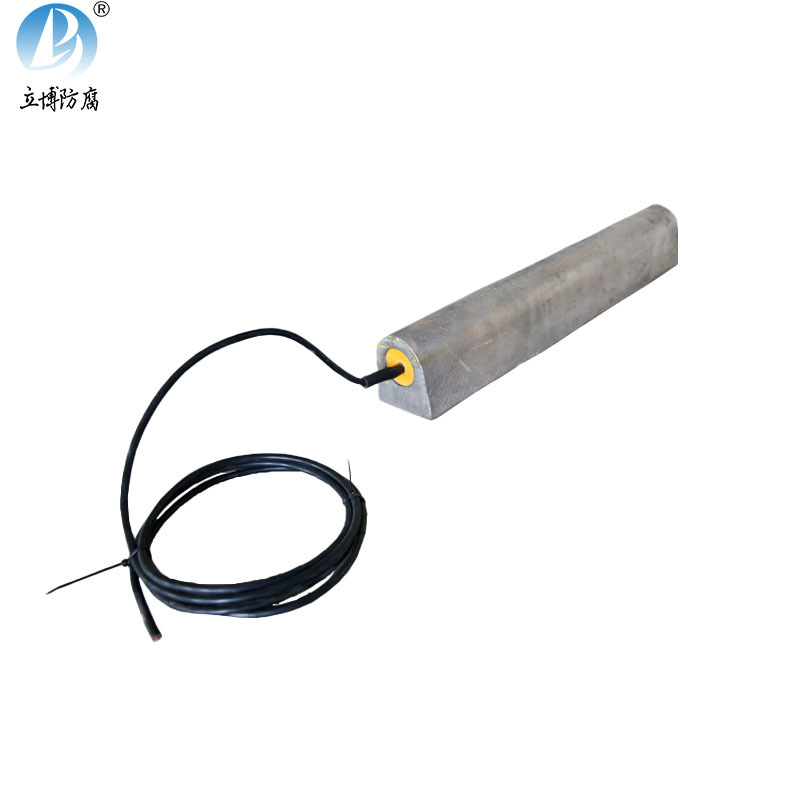
Aluminum anodes are sacrificial anodes made of aluminum alloys designed to protect metal structures from corrosion. Unlike conventional anodes, aluminum anodes offer unique properties that enhance their effectiveness in various applications. When connected to a metal structure, aluminum anodes corrode preferentially, safeguarding the primary structure from corrosion. This protective mechanism is critical in maritime, industrial, and construction applications where metal components are vulnerable to corrosive elements.
The principle behind aluminum anodes is based on the electrochemical series, which ranks metals by their electrochemical potential. When aluminum anodes are attached to a metal structure, they become the anode in a galvanic cell, sacrificing themselves to prevent the metal structure from corroding. This process occurs through oxidation, where the aluminum anode corrodes and releases electrons. These electrons flow to the protected metal, reducing its oxidation rate and minimizing corrosion. This reaction is especially crucial in environments where metals are exposed to moisture, seawater, or other corrosive agents.
One of the standout features of aluminum anodes is their lightweight nature. This characteristic makes them easy to handle and install without compromising structural integrity. Despite their lightness, aluminum anodes are incredibly durable, capable of withstanding harsh environmental conditions. Their resilience contributes to the overall longevity of the structures they protect, reducing the frequency of maintenance and replacement.
Investing in aluminum anodes can lead to substantial long-term savings. By prolonging the lifespan of metal structures and reducing maintenance costs, aluminum anodes provide a cost-effective solution to corrosion protection. The initial costs associated with purchasing and installing aluminum anodes are often offset by the savings generated through reduced repairs and extended service life.
In today’s eco-conscious world, choosing environmentally friendly materials is more important than ever. Aluminum is a highly recyclable material, and the use of aluminum anodes aligns with sustainable building practices. Unlike some other corrosion prevention methods that may involve harmful chemicals, aluminum anodes provide a natural and safe solution for protecting structures, making them a responsible choice for builders and developers.
Aluminum anodes are incredibly versatile and can be employed in various applications across multiple industries. From marine vessels and offshore structures to pipelines and tanks, aluminum anodes are an effective solution for any metal structure exposed to corrosive environments. Their adaptability ensures that they can meet the diverse needs of construction and decorative materials, enhancing their appeal in the marketplace.
In marine environments, steel and other metals are notoriously susceptible to corrosion due to prolonged exposure to saltwater. Aluminum anodes are commonly used to protect piers, docks, and boats from the damaging effects of seawater corrosion.
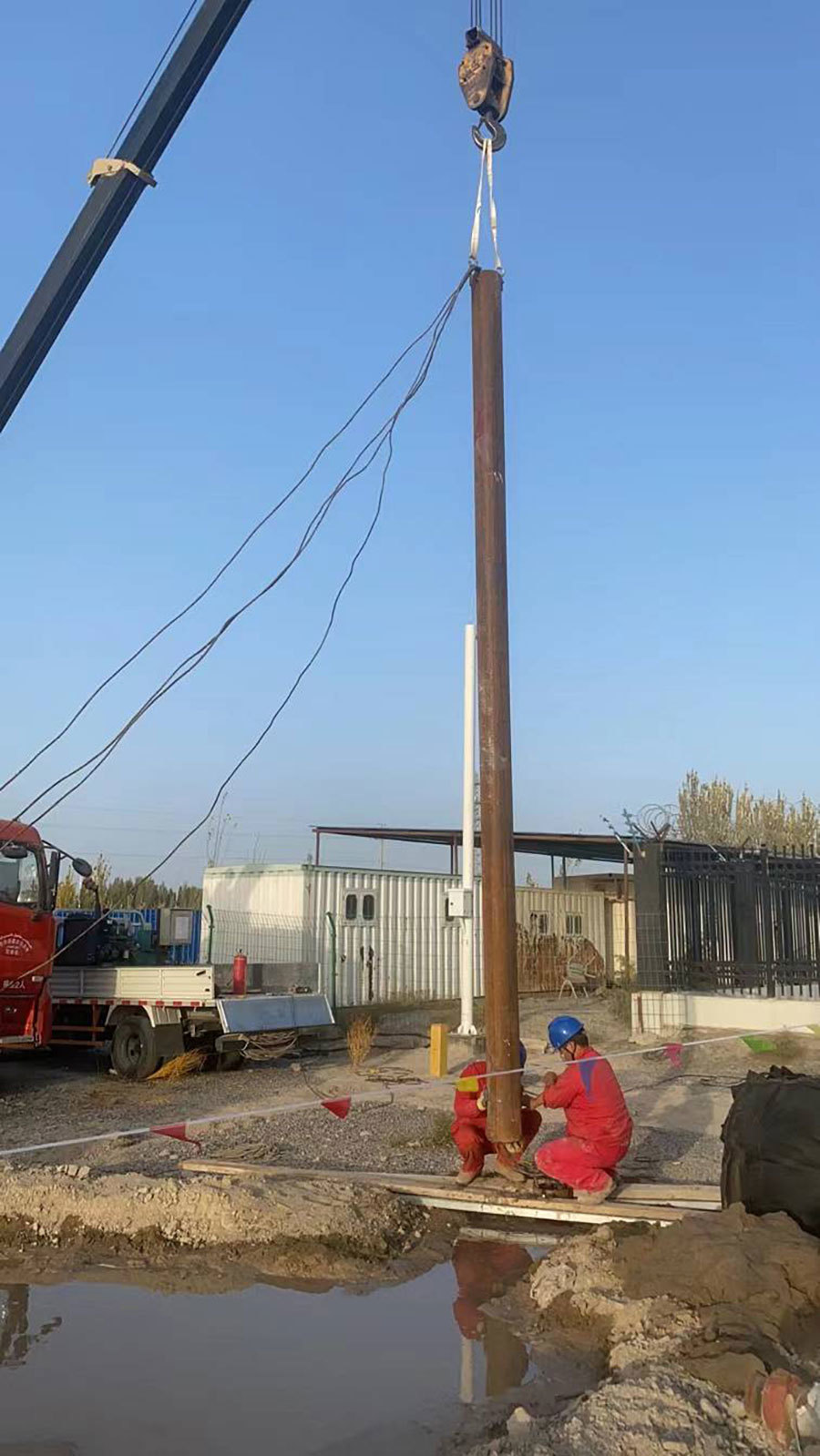
Underground pipelines transporting water, oil, and gas require robust corrosion protection. Aluminum anodes effectively safeguard these pipelines from corrosion, ensuring their functionality and safety for years to come.
Aluminum anodes are also used in water tanks and reservoirs to prevent corrosion caused by water quality and environmental factors. This protection is vital for maintaining water quality and extending the service life of these structures.
Aluminum anodes are a game-changer in the realm of corrosion resistance, offering numerous benefits that enhance the durability and longevity of construction and decorative materials. Their lightweight yet robust nature, cost-effectiveness, environmental friendliness, and versatility make them a superior choice for protecting metal structures from corrosion. As advancements in materials science continue, aluminum anodes will likely play an increasingly vital role in ensuring the integrity and aesthetic appeal of structures across various industries. By investing in aluminum anodes, builders and developers can significantly reduce maintenance costs and enhance the lifespan of their projects, ultimately leading to safer and more sustainable construction practices.
Key words:
Learn more about industry dynamics
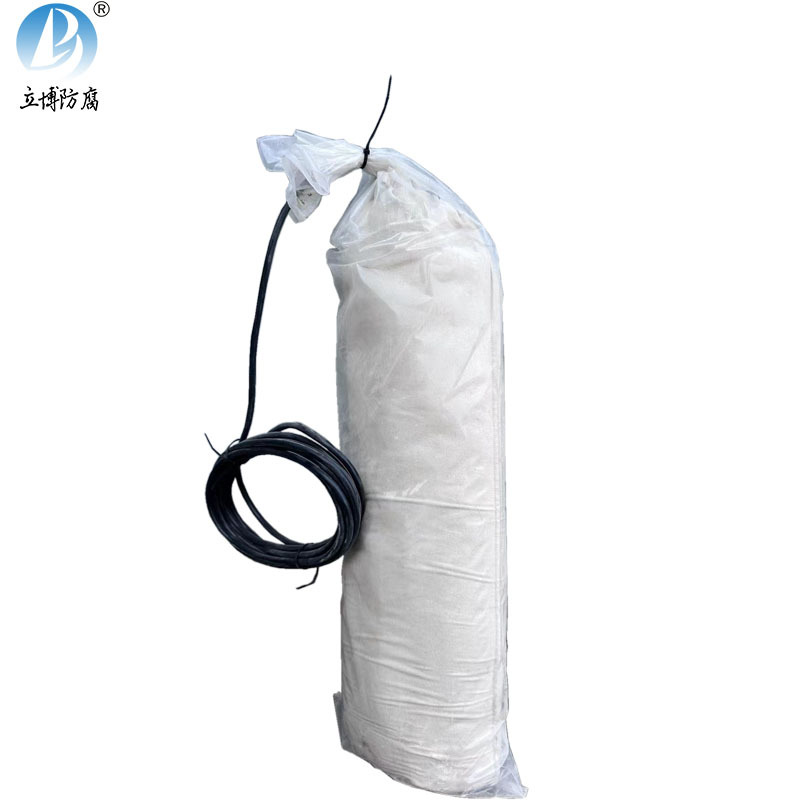
The company's main products: magnesium alloy sacrificial anode series, aluminum alloy sacrificial anode series, zinc alloy sacrificial anode series, and cathodic protection supporting products, such as more than a dozen varieties and hundreds of specifications.


Focus on the development and production of cathodic protection materials

online message
We will contact you within one working day. Please pay attention to your phone or email.