


How High Potential Magnesium Anodes Enhance the Lifespan of Building Materials
Release time:
2025-11-24
How High Potential Magnesium Anodes Enhance the Lifespan of Building Materials Table of Contents 1. Introduction to High Potential Magnesium Anodes 2. Understanding Corrosion in Building Materials 3. The Science Behind High Potential Magnesium Anodes 3.1 Electrochemical Principles 3.2 Comparison with Other Anode Types 4. Applications of High Potential Magnesium Anodes in Construction 4.1 Reinforce
How High Potential Magnesium Anodes Enhance the Lifespan of Building Materials
Table of Contents
1. Introduction to High Potential Magnesium Anodes
2. Understanding Corrosion in Building Materials
3. The Science Behind High Potential Magnesium Anodes
3.1 Electrochemical Principles
3.2 Comparison with Other Anode Types
4. Applications of High Potential Magnesium Anodes in Construction
4.1 Reinforced Concrete Protection
4.2 Marine Structures
4.3 Underground Pipelines
5. Advantages of Using High Potential Magnesium Anodes
5.1 Extended Lifespan of Structures
5.2 Cost-Effectiveness
5.3 Environmentally Friendly Solutions
6. Installation and Maintenance of Magnesium Anodes
6.1 Best Practices
6.2 Monitoring and Replacement
7. Case Studies: Success Stories in the Industry
8. Frequently Asked Questions
9. Conclusion
1. Introduction to High Potential Magnesium Anodes
In the construction and materials industry, the longevity and durability of structures are paramount. High Potential Magnesium Anodes have emerged as a vital solution for enhancing the lifespan of various building materials, especially in environments prone to corrosion. These anodes play a crucial role in cathodic protection, effectively mitigating the damaging effects of electrochemical reactions that threaten structural integrity.
2. Understanding Corrosion in Building Materials
Corrosion is a natural process that leads to the deterioration of materials, particularly metals. In building materials, corrosion can arise from exposure to moisture, salts, and other corrosive elements. Reinforced concrete, steel beams, and other metal components are often susceptible to corrosion, which can compromise their strength and durability. Understanding the mechanisms of corrosion is essential for developing effective prevention strategies.
3. The Science Behind High Potential Magnesium Anodes
High Potential Magnesium Anodes are designed to protect metallic structures by sacrificing themselves in the electrochemical process. They serve as a more active anode compared to other materials, offering superior protection against corrosion.
3.1 Electrochemical Principles
The functionality of magnesium anodes is based on electrochemical principles. When immersed in an electrolyte, magnesium anodes corrode preferentially, thereby protecting the more noble metals, such as steel. This sacrificial anode method is a widely accepted technique in corrosion prevention.
3.2 Comparison with Other Anode Types
While other anode types, such as zinc or aluminum, are commonly used, High Potential Magnesium Anodes provide greater protection, particularly in high-resistivity soils or seawater. Their higher potential means they can offer a more robust defense against corrosion, extending the lifespan of protected materials significantly.
4. Applications of High Potential Magnesium Anodes in Construction
The versatility of High Potential Magnesium Anodes allows them to be used in various applications within the construction industry.
4.1 Reinforced Concrete Protection
Reinforced concrete structures are often at risk of corrosion due to environmental factors. By integrating High Potential Magnesium Anodes within concrete, builders can significantly enhance the durability of these structures, thereby reducing maintenance costs and improving overall safety.
4.2 Marine Structures
In marine environments, structures such as docks, piers, and bridges face severe corrosion challenges. High Potential Magnesium Anodes are particularly effective in these scenarios, providing essential protection against seawater corrosion, which can otherwise lead to catastrophic failures.
4.3 Underground Pipelines
Underground pipelines transporting water, gas, or oil are vulnerable to corrosion from soil and moisture. The implementation of High Potential Magnesium Anodes can extend the lifespan of these pipelines, preventing leaks and ensuring the integrity of essential infrastructure.
5. Advantages of Using High Potential Magnesium Anodes
The benefits of High Potential Magnesium Anodes are manifold, making them an attractive choice for construction professionals.
5.1 Extended Lifespan of Structures
One of the primary advantages is the significant extension of the lifespan of protected structures. By minimizing corrosion, these anodes ensure that building materials remain intact for longer periods, leading to reduced replacement and repair costs.
5.2 Cost-Effectiveness
Investing in High Potential Magnesium Anodes can lead to substantial cost savings over time. While the initial installation may seem higher than traditional methods, the long-term benefits of reduced maintenance and increased durability will outweigh these costs.
5.3 Environmentally Friendly Solutions
High Potential Magnesium Anodes are crafted from non-toxic materials, making them an environmentally friendly choice. Their use aligns with sustainable construction practices, reducing the overall environmental impact of building projects.
6. Installation and Maintenance of Magnesium Anodes
Proper installation and maintenance are critical for maximizing the effectiveness of High Potential Magnesium Anodes.
6.1 Best Practices
To ensure optimal performance, it is essential to follow best practices during installation. This includes selecting the right size anode for the application, ensuring proper electrical connections, and placing the anodes in areas of maximum exposure to potential corrosion.
6.2 Monitoring and Replacement
Regular monitoring of the anodes is necessary to assess their performance. Depending on environmental conditions and the rate of corrosion, anodes may need to be replaced periodically to maintain effective protection.
7. Case Studies: Success Stories in the Industry
Several case studies highlight the successful implementation of High Potential Magnesium Anodes in various construction projects. These real-world examples illustrate their effectiveness in extending the lifespan of critical infrastructure and enhancing safety standards.
8. Frequently Asked Questions
8.1 What are High Potential Magnesium Anodes?
High Potential Magnesium Anodes are sacrificial anodes used in cathodic protection systems to prevent corrosion in building materials.
8.2 How do High Potential Magnesium Anodes work?
They work by corroding preferentially in an electrochemical reaction, thus protecting other metals from corrosion.
8.3 Where are High Potential Magnesium Anodes commonly used?
They are commonly used in reinforced concrete, marine structures, and underground pipelines.
8.4 What are the benefits of using Magnesium Anodes?
The benefits include extended lifespan of structures, cost-effectiveness, and environmentally friendly properties.
8.5 How often should Magnesium Anodes be replaced?
The replacement frequency depends on environmental factors and the rate of corrosion; regular monitoring is recommended.
9. Conclusion
High Potential Magnesium Anodes represent a pivotal advancement in the protection of building materials against corrosion. Their unique properties and applications make them indispensable in today’s construction industry. By understanding their functionality and benefits, construction professionals can make informed decisions that enhance the longevity and safety of their projects. Investing in High Potential Magnesium Anodes is not just a preventive measure; it's a commitment to quality and sustainability in building practice.
Key words:
Learn more about industry dynamics
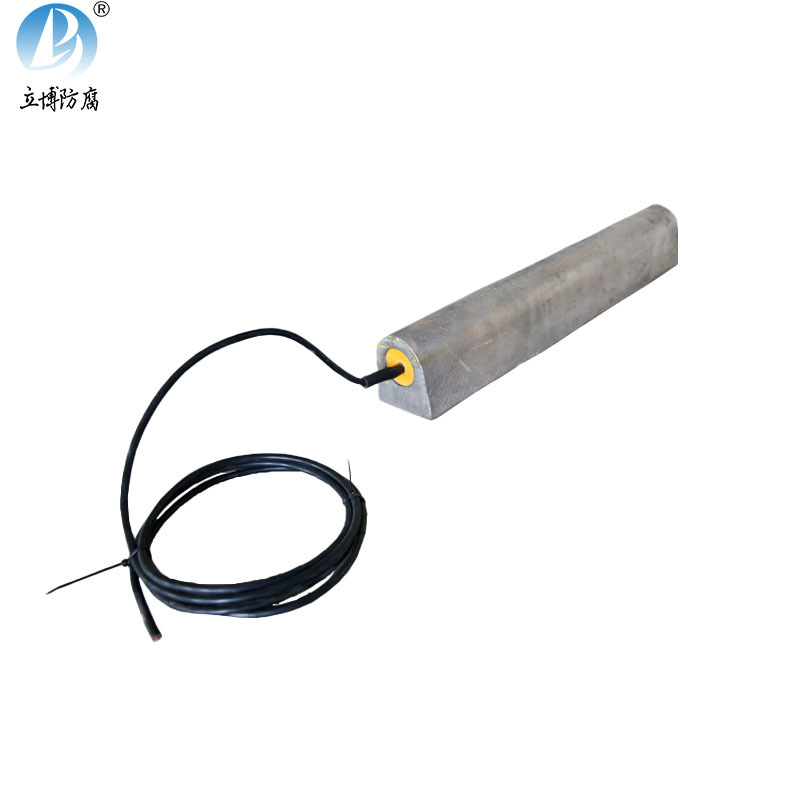
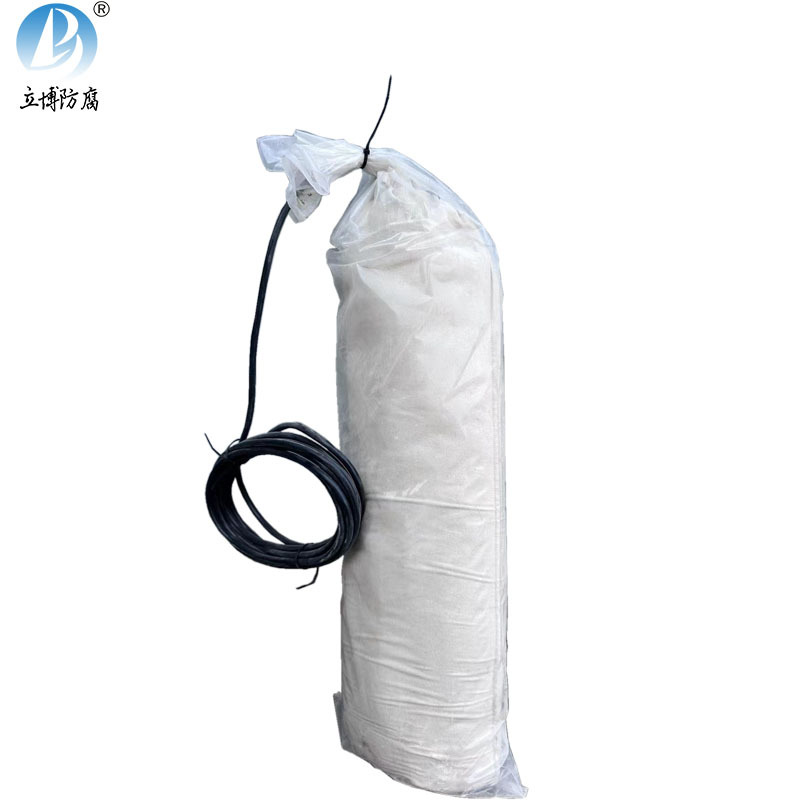
The company's main products: magnesium alloy sacrificial anode series, aluminum alloy sacrificial anode series, zinc alloy sacrificial anode series, and cathodic protection supporting products, such as more than a dozen varieties and hundreds of specifications.


Focus on the development and production of cathodic protection materials

online message
We will contact you within one working day. Please pay attention to your phone or email.