


The Essential Role of Magnesium Anodes in Corrosion Prevention
Release time:
2025-11-19
Magnesium anodes play a pivotal role in the realm of corrosion prevention, serving as sacrificial anodes in cathodic protection systems. These anodes are designed to corrode preferentially, thereby protecting more valuable metallic structures from electrochemical degradation. The mechanism behind magnesium anodes is rooted in their electrochemical properties; they possess a higher negative electro
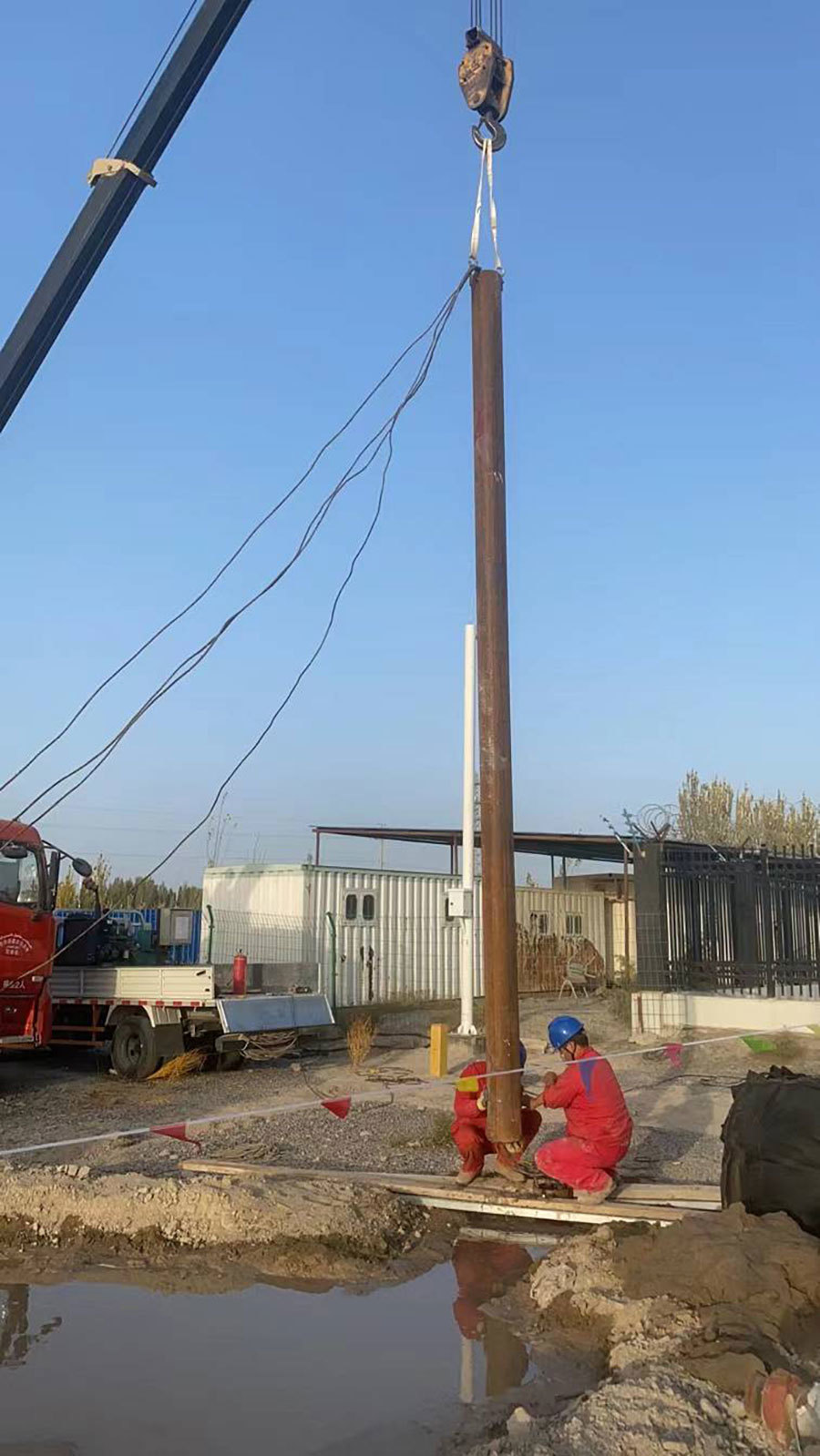
One of the key advantages of magnesium anodes is their versatility. They can be utilized in various applications, including underground pipelines, water tanks, and marine environments. In the construction sector, magnesium anodes are particularly beneficial for reinforcing steel in concrete structures, where corrosion can severely compromise structural integrity. By implementing magnesium anodes, professionals can significantly extend the lifespan of these structures and reduce maintenance costs associated with corrosion damage.
Furthermore, the lightweight nature of magnesium makes it an ideal option for projects where weight considerations are critical. Its effectiveness in preventing corrosion allows for thinner protective coatings, ultimately contributing to material savings and enhanced design flexibility. Additionally, magnesium anodes can be manufactured in various shapes and sizes, enabling customization to fit specific project requirements.
In terms of installation, magnesium anodes can be easily integrated into existing systems. They may be attached to pipelines or embedded within concrete, ensuring optimal protection in critical areas prone to corrosion. It is important for professionals to monitor the performance of magnesium anodes regularly, as their consumption rate will vary based on environmental conditions. Regular inspections and timely replacement of the anodes are essential to maintaining effective corrosion protection.
Moreover, the environmental impact of magnesium anodes is relatively low compared to other materials. Magnesium is abundant and can be sourced sustainably, making it an environmentally friendly choice for corrosion protection in construction and decorative applications. This aligns with the growing emphasis on sustainable practices within the industry.
In summary, magnesium anodes serve as a crucial component in corrosion prevention strategies, offering numerous advantages such as versatility, lightweight properties, and environmental sustainability. By understanding their applications and mechanisms, professionals in the construction and decorative materials industry can make informed decisions that enhance the longevity and reliability of their projects. Investing in magnesium anodes is not just a technical choice; it’s a strategic decision that can lead to significant long-term benefits.
Key words:
Learn more about industry dynamics
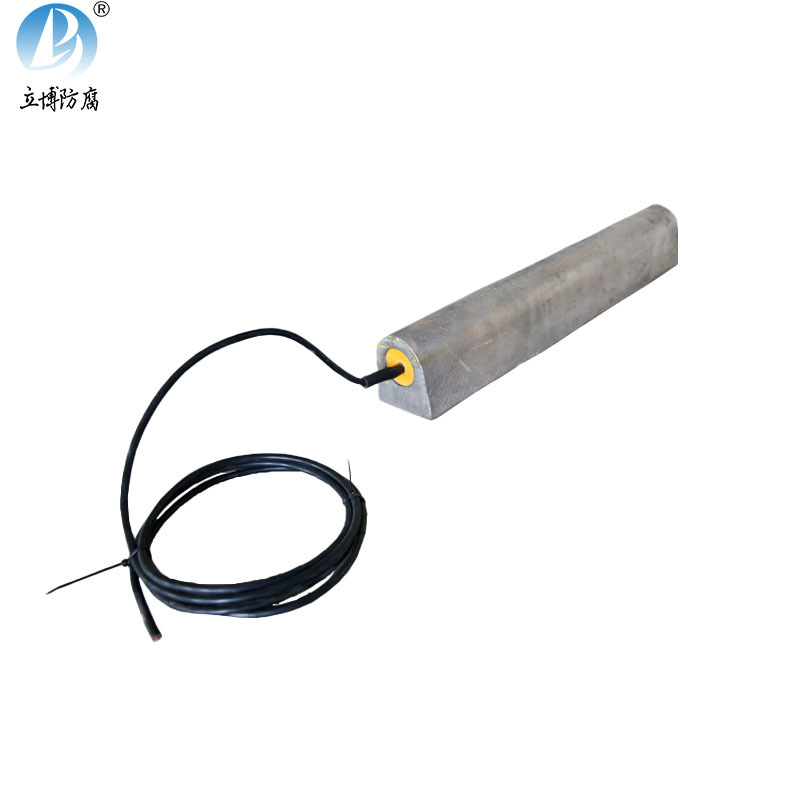
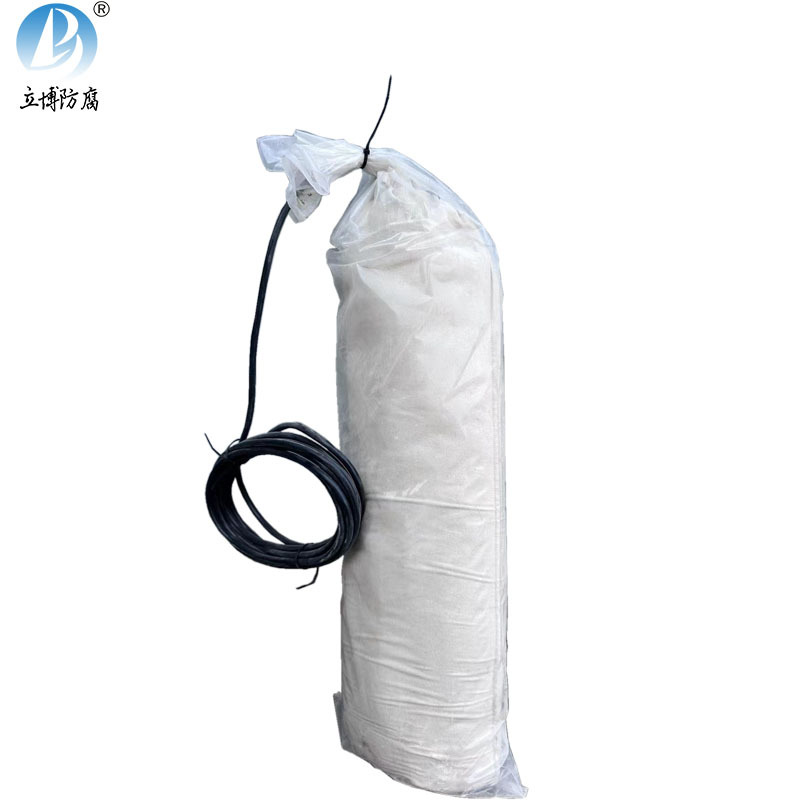
The company's main products: magnesium alloy sacrificial anode series, aluminum alloy sacrificial anode series, zinc alloy sacrificial anode series, and cathodic protection supporting products, such as more than a dozen varieties and hundreds of specifications.


Focus on the development and production of cathodic protection materials

online message
We will contact you within one working day. Please pay attention to your phone or email.