


Aluminum Anodes: A Sustainable Solution for Corrosion Issues
Release time:
2025-11-14
Aluminum Anodes: A Sustainable Solution for Corrosion Issues Table of Contents 1. Introduction to Aluminum Anodes 2. Understanding Corrosion: The Silent Destroyer 3. Why Choose Aluminum Anodes? 3.1 Sustainability and Environmental Impact 3.2 Cost-Effectiveness of Aluminum Anodes 3.3 Versatility Across Industries 4. How Aluminum
Aluminum Anodes: A Sustainable Solution for Corrosion Issues
Table of Contents
- 1. Introduction to Aluminum Anodes
- 2. Understanding Corrosion: The Silent Destroyer
- 3. Why Choose Aluminum Anodes?
- 3.1 Sustainability and Environmental Impact
- 3.2 Cost-Effectiveness of Aluminum Anodes
- 3.3 Versatility Across Industries
- 4. How Aluminum Anodes Work to Prevent Corrosion
- 5. Applications of Aluminum Anodes in Various Industries
- 6. Installing Aluminum Anodes: Best Practices
- 7. Maintenance of Aluminum Anodes for Optimal Performance
- 8. Frequently Asked Questions (FAQs)
- 9. Conclusion: Embracing Sustainable Solutions
1. Introduction to Aluminum Anodes
Corrosion poses a significant challenge across various industries, leading to material degradation, increased maintenance costs, and environmental concerns. In recent years, **aluminum anodes** have emerged as a sustainable solution to combat these issues effectively. By leveraging the properties of aluminum, these anodes provide an eco-friendly method to protect structures, vessels, and other components from corrosion. This article delves into the benefits, mechanisms, applications, and maintenance of aluminum anodes, highlighting their crucial role in promoting sustainability in the construction and decoration materials industry.
2. Understanding Corrosion: The Silent Destroyer
Corrosion is a natural process that results from chemical reactions between materials and their environment, often leading to significant deterioration. It occurs when metals react with moisture, oxygen, and other elements, forming oxides, hydroxides, or other corrosion products. This deterioration can jeopardize the integrity of structures and equipment, resulting in costly repairs and potential safety hazards.
The main types of corrosion include:
- **Uniform Corrosion**: Even wear of a surface due to exposure to environmental elements.
- **Pitting Corrosion**: Localized corrosion that leads to small holes or pits in the metal.
- **Galvanic Corrosion**: Occurs when two different metals come into contact in the presence of an electrolyte, causing one metal to corrode faster than the other.
- **Crevice Corrosion**: Develops in confined spaces where the electrolyte is stagnant.
Understanding these types of corrosion is essential for implementing effective prevention methods, making aluminum anodes a practical option.
3. Why Choose Aluminum Anodes?
As industries seek effective and sustainable solutions to combat corrosion, aluminum anodes have gained traction for several reasons.
3.1 Sustainability and Environmental Impact
Aluminum is a highly recyclable material, which significantly reduces the environmental footprint associated with traditional anode materials. By opting for aluminum anodes, companies can lower their reliance on non-renewable resources and promote a circular economy. The recyclability of aluminum means that even after their lifecycle, these anodes can be reused, minimizing waste.
3.2 Cost-Effectiveness of Aluminum Anodes
While the initial cost of aluminum anodes may be comparable to other anode materials, their long-term benefits outweigh these expenses. Their longevity and effectiveness in preventing corrosion reduce maintenance and replacement costs over time. Implementing aluminum anodes can lead to significant savings in maintenance budgets, making them a wise investment for businesses.
3.3 Versatility Across Industries
Aluminum anodes are adaptable and can be utilized in various applications, including:
- Marine environments, where ships and offshore structures require protection against saltwater corrosion.
- Water treatment facilities, where metal structures are exposed to highly corrosive environments.
- Infrastructure projects, including bridges and pipelines, which benefit from enhanced durability.
This versatility makes aluminum anodes a preferred choice for many industries seeking reliable corrosion protection.
4. How Aluminum Anodes Work to Prevent Corrosion
Aluminum anodes function on the principle of **cathodic protection**, which involves sacrificing the anode to protect the cathode (the structure being protected). When aluminum anodes are installed, they corrode preferentially, thereby preventing corrosion on the protected metal surfaces.
This process occurs due to the electrochemical reaction between aluminum and the surrounding environment. When aluminum anodes are submerged or placed in contact with corrosive elements, they release electrons, creating a flow of electrical current that protects the underlying metal from corrosion.
The use of aluminum anodes ensures that the metal components they protect remain intact, minimizing deterioration and extending their lifespan.
5. Applications of Aluminum Anodes in Various Industries
The application of aluminum anodes spans numerous industries, each benefiting from their corrosion protection capabilities.
5.1 Marine Industry
In the marine industry, vessels and infrastructure are constantly exposed to saltwater, which accelerates corrosion. Aluminum anodes are commonly used on boats, ships, and offshore platforms to protect submerged metal components from deterioration.
5.2 Water Treatment Facilities
Water treatment plants often face harsh conditions that can lead to significant corrosion of metal structures. Aluminum anodes are used to safeguard pipes, tanks, and other equipment, ensuring that the facilities operate efficiently and safely.
5.3 Construction and Infrastructure
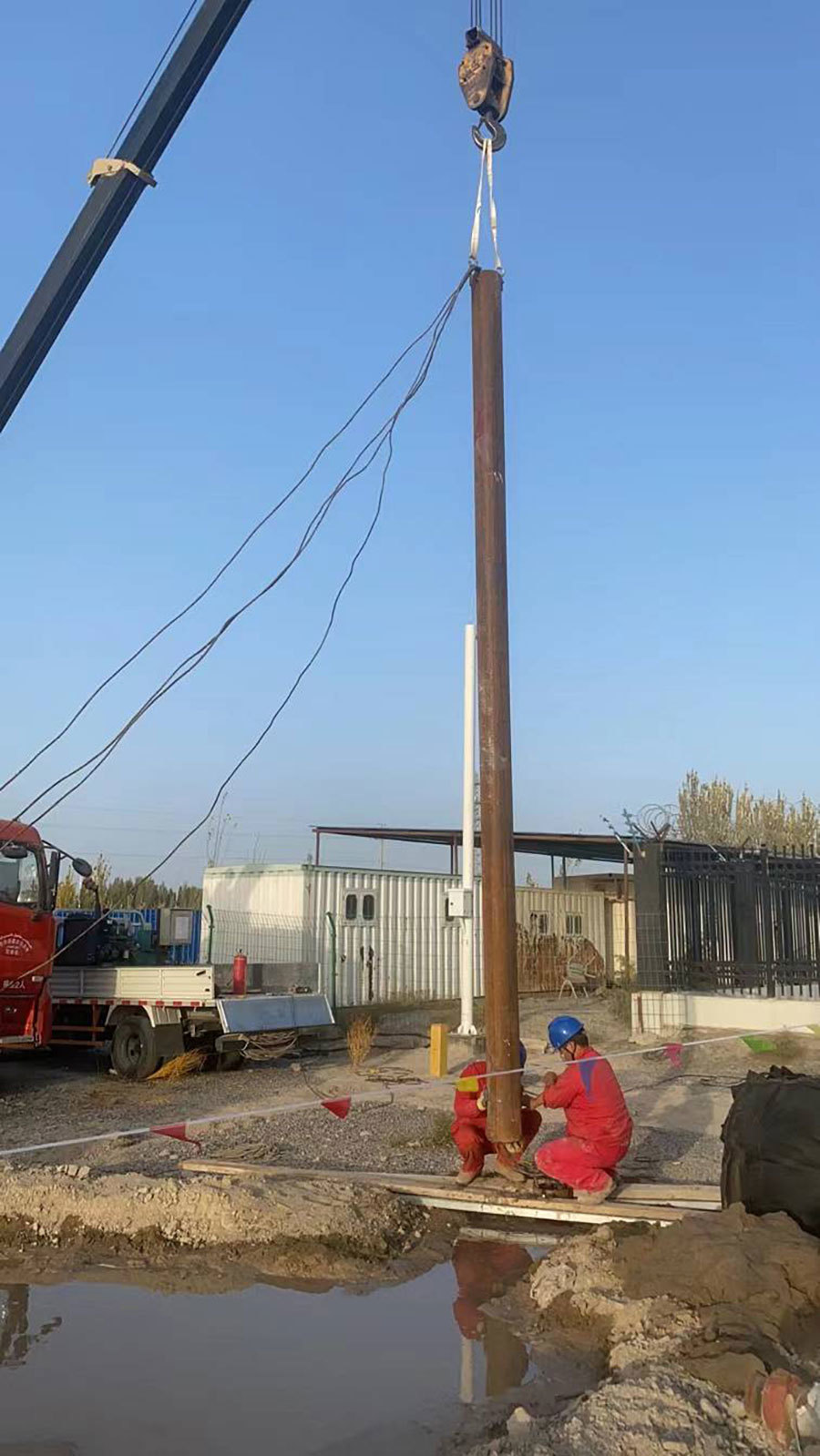
In construction projects, aluminum anodes are employed to protect rebar and other metal components embedded in concrete, mitigating the risk of corrosion that can lead to structural failure. Additionally, they are used in various infrastructure projects, such as bridges and tunnels, to enhance durability.
5.4 Oil and Gas Industry
The oil and gas sector utilizes aluminum anodes to protect pipelines and storage tanks, where exposure to corrosive substances is prevalent. Implementing aluminum anodes helps maintain the integrity of these critical assets.
6. Installing Aluminum Anodes: Best Practices
Proper installation of aluminum anodes is crucial for maximizing their effectiveness. Here are some best practices to consider:
- **Select the Right Type**: Ensure that the aluminum anodes chosen are suitable for the specific environment and application.
- **Correct Placement**: Position the anodes at strategic points where corrosion is likely to occur, ensuring optimal protection.
- **Electrical Connection**: Ensure a proper electrical connection between the anode and the metal structure to ensure effective cathodic protection.
- **Regular Inspection**: After installation, routinely inspect the anodes to monitor their condition and effectiveness.
By adhering to these guidelines, organizations can enhance the performance of aluminum anodes and extend the lifespan of their assets.
7. Maintenance of Aluminum Anodes for Optimal Performance
Maintenance is key to ensuring the longevity and effectiveness of aluminum anodes. Here are essential maintenance practices:
- **Monitor Wear**: Regularly check the anodes for signs of wear and depletion. Replace them when they reach a certain level of corrosion to maintain protection.
- **Inspect Surrounding Areas**: Check the areas surrounding the anodes for potential corrosion and take corrective action as necessary.
- **Evaluate Electrical Connections**: Periodically inspect electrical connections to ensure there are no interruptions that could reduce the effectiveness of cathodic protection.
By implementing these maintenance practices, organizations can ensure that aluminum anodes continue to provide reliable corrosion protection over time.
8. Frequently Asked Questions (FAQs)
8.1 What are aluminum anodes made of?
Aluminum anodes are primarily composed of high-purity aluminum, often alloyed with other metals to enhance their performance.
8.2 How often should aluminum anodes be replaced?
The replacement frequency depends on environmental conditions and usage. Regular inspections should guide replacement, typically every 1-2 years in harsh environments.
8.3 Can aluminum anodes be used in freshwater?
Yes, aluminum anodes are effective in both freshwater and saltwater applications, though their performance may vary based on specific conditions.
8.4 Are aluminum anodes environmentally friendly?
Absolutely! Aluminum is highly recyclable, making aluminum anodes an environmentally friendly option for corrosion protection.
8.5 How do I choose the right aluminum anode for my application?
Consider factors such as environment, type of metal being protected, and specific corrosion challenges when selecting aluminum anodes.
9. Conclusion: Embracing Sustainable Solutions
Aluminum anodes represent a sustainable, effective solution to combat corrosion across multiple industries. Their unique properties not only protect vital structures and equipment but also contribute to environmental preservation through recyclability and reduced reliance on non-renewable resources. By embracing aluminum anodes, businesses can not only safeguard their investments but also promote sustainable practices that benefit the planet. As industries continue to prioritize sustainability, aluminum anodes will undoubtedly play a crucial role in shaping a more resilient and eco-friendly future.
Key words:
Learn more about industry dynamics
The company's main products: magnesium alloy sacrificial anode series, aluminum alloy sacrificial anode series, zinc alloy sacrificial anode series, and cathodic protection supporting products, such as more than a dozen varieties and hundreds of specifications.

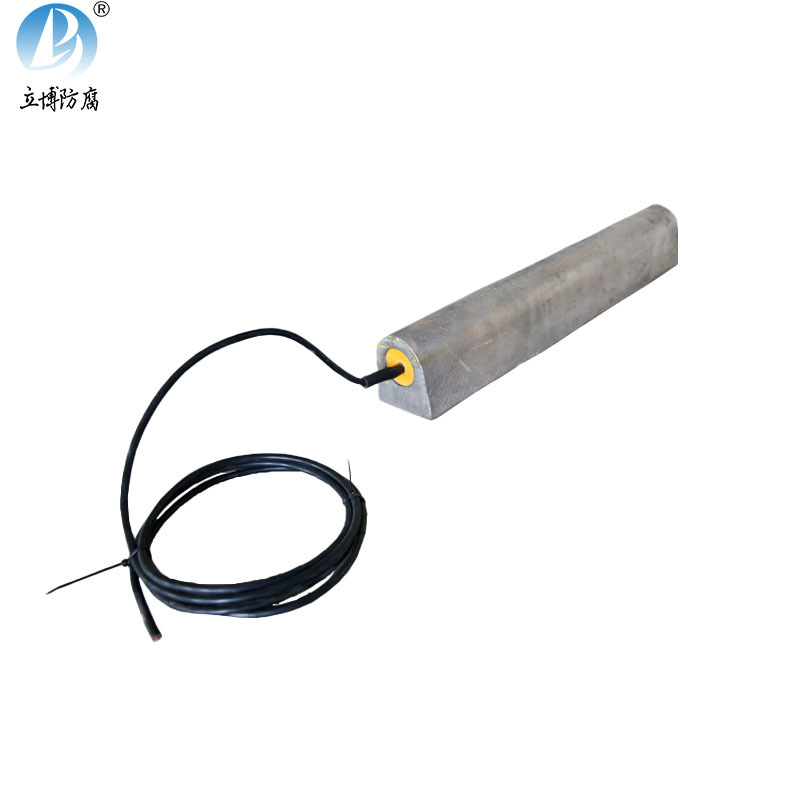
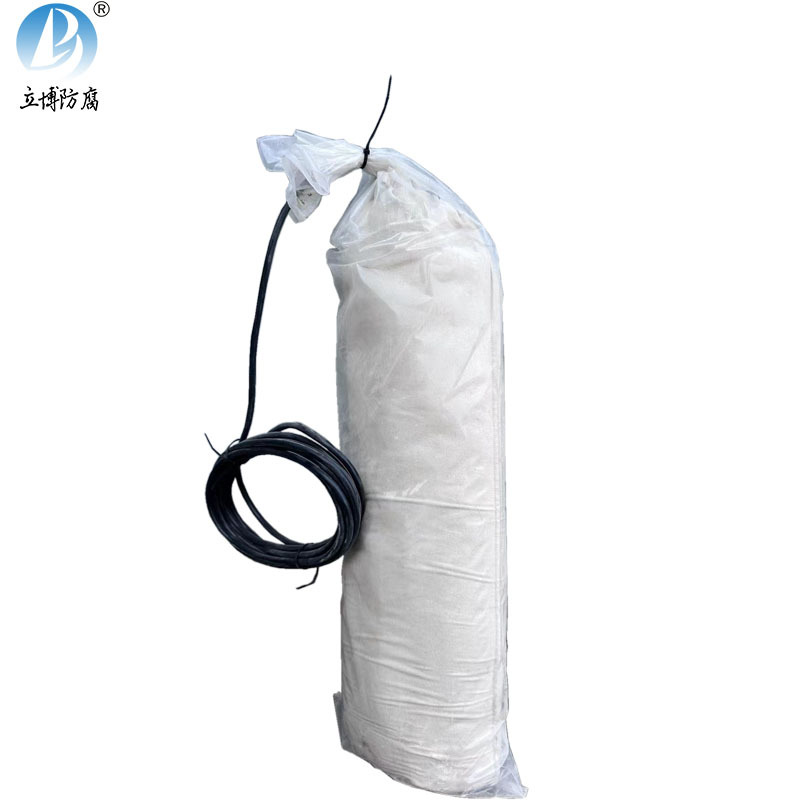

Focus on the development and production of cathodic protection materials

online message
We will contact you within one working day. Please pay attention to your phone or email.