


Understanding Portable Reference Electrodes: Key Components for Effective Environmental Monitoring
Release time:
2025-09-01
Portable Reference Electrodes (PREs) are critical components in the field of environmental monitoring, particularly in the calibration and functioning of various analytical instruments. These devices serve as stable reference points for electrochemical measurements, ensuring accuracy and reliability in readings taken from the environment, such as water quality or soil analysis. A Portable Referenc
A Portable Reference Electrode typically consists of a conductive material, often silver/silver chloride or calomel, immersed in an electrolyte solution. This assembly allows for the maintenance of a consistent electrochemical potential, which is vital when measuring the potential of another electrode in the system. The portability of these electrodes is a significant advantage, enabling users to conduct on-site testing without the need for a laboratory setup.
One key application of Portable Reference Electrodes is in the monitoring of pH levels in water bodies. Since pH measurements can fluctuate due to environmental factors, having a reliable reference electrode helps ensure that the readings are accurate and consistent, facilitating better assessment of water quality. Additionally, PREs are widely used in corrosion studies, where they can help evaluate the corrosion potential of metals in various environments, providing valuable data for infrastructure maintenance.
The importance of reliability in measurements cannot be overstated. Inconsistent or inaccurate readings can lead to erroneous conclusions, potentially affecting environmental policies, safety regulations, and scientific research. By incorporating Portable Reference Electrodes into monitoring systems, professionals can significantly enhance the precision of their data collection processes.
Moreover, the design of modern Portable Reference Electrodes has evolved to meet the demands of various field applications. Many models are now more robust, compact, and user-friendly, making them easier to transport and set up in diverse locations. Some advanced models even come with features such as built-in temperature compensation, which further enhances measurement accuracy.
In conclusion, Portable Reference Electrodes are indispensable tools in the realm of environmental monitoring. They provide a consistent reference that enhances the reliability of electrochemical measurements, which is crucial for accurate data interpretation in various applications, from water quality assessment to corrosion analysis. As the demand for precise environmental monitoring continues to grow, understanding the functionality and significance of Portable Reference Electrodes will empower practitioners to make informed decisions and contribute to better environmental management practices.
Key words:
Learn more about industry dynamics
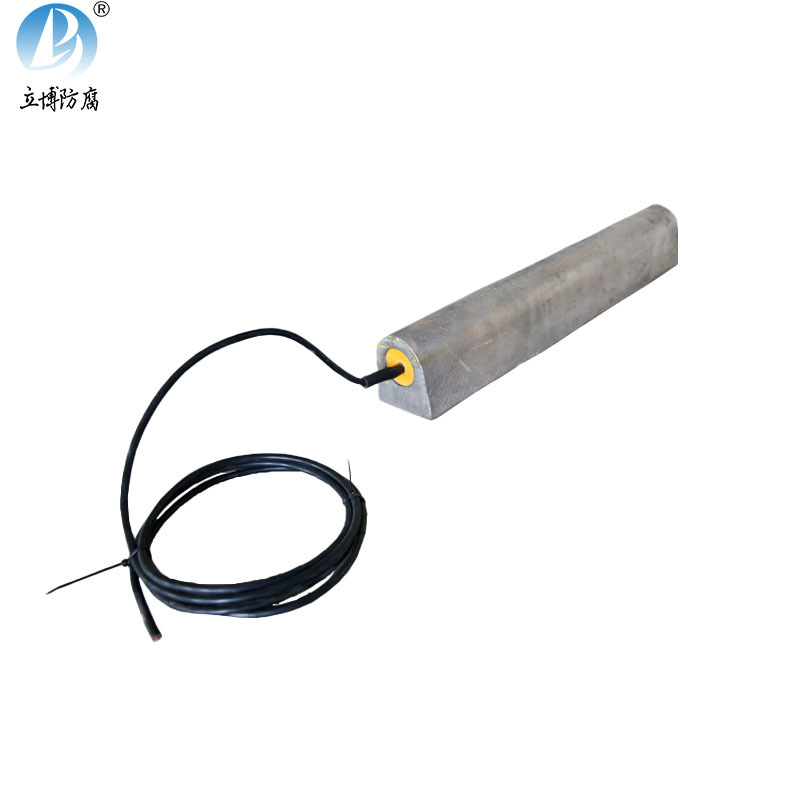
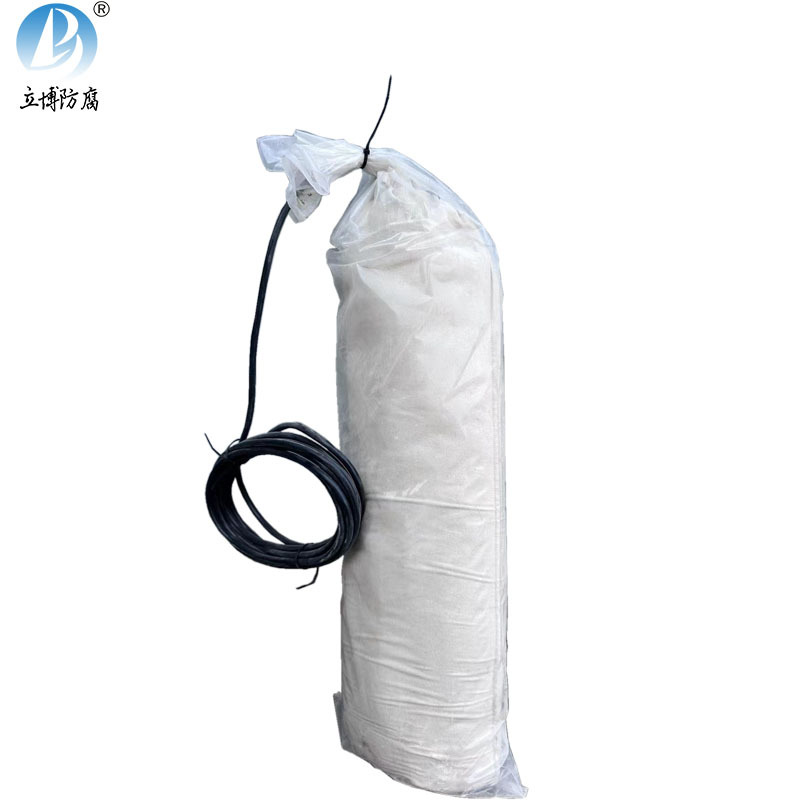
The company's main products: magnesium alloy sacrificial anode series, aluminum alloy sacrificial anode series, zinc alloy sacrificial anode series, and cathodic protection supporting products, such as more than a dozen varieties and hundreds of specifications.


Focus on the development and production of cathodic protection materials

online message
We will contact you within one working day. Please pay attention to your phone or email.