


How to Choose the Right Reference Electrode for Your Needs: A Comprehensive Guide
Release time:
2025-08-27
How to Choose the Right Reference Electrode for Your Needs Table of Contents 1. Introduction to Reference Electrodes 2. The Importance of Selecting the Right Reference Electrode 3. Types of Reference Electrodes 3.1 Saturated Calomel Electrode (SCE) 3.2 Silver/Silver Chloride Electrode (Ag/AgCl) 3.3 Glass Electrode 4. Key F
How to Choose the Right Reference Electrode for Your Needs
Table of Contents
- 1. Introduction to Reference Electrodes
- 2. The Importance of Selecting the Right Reference Electrode
- 3. Types of Reference Electrodes
- 3.1 Saturated Calomel Electrode (SCE)
- 3.2 Silver/Silver Chloride Electrode (Ag/AgCl)
- 3.3 Glass Electrode
- 4. Key Factors to Consider When Choosing a Reference Electrode
- 4.1 Application Environment
- 4.2 Electrochemical Compatibility
- 4.3 Stability and Response Time
- 4.4 Maintenance and Longevity
- 5. Practical Tips for Selecting the Right Reference Electrode
- 6. Common Mistakes to Avoid When Choosing a Reference Electrode
- 7. Frequently Asked Questions (FAQs)
- 8. Conclusion
1. Introduction to Reference Electrodes
When it comes to environmental monitoring, **the accuracy of your measurements** relies heavily on the tools you use. A critical component in electrochemical applications is the **reference electrode**, which provides a stable voltage against which other measurements can be made. Understanding how to choose the right reference electrode is essential for ensuring reliable and precise readings in your experiments or monitoring tasks.
2. The Importance of Selecting the Right Reference Electrode
Choosing the correct reference electrode is not a trivial decision. A poorly selected reference electrode can lead to significant errors in measurements, affecting the overall quality of your data. The right choice enhances the reliability of your readings, underpins the integrity of your experiments, and ultimately contributes to the success of your project.
3. Types of Reference Electrodes
There are several types of reference electrodes available, each suited for different applications. Understanding the distinctions between these can guide you toward the appropriate choice for your needs.
3.1 Saturated Calomel Electrode (SCE)
The **Saturated Calomel Electrode (SCE)** is one of the most commonly used reference electrodes in laboratories. It consists of mercury in contact with a saturated solution of potassium chloride. Known for its **stability and reproducibility**, the SCE is effective in various environmental conditions but may not be appropriate for all applications due to the toxicity of mercury.
3.2 Silver/Silver Chloride Electrode (Ag/AgCl)
The **Silver/Silver Chloride Electrode (Ag/AgCl)** is another popular choice, particularly in aqueous solutions. It offers a **more environmentally friendly alternative** to the SCE and is less prone to contamination. Its versatility and reliability make it a standard reference electrode in many electrochemical setups.
3.3 Glass Electrode
The **Glass Electrode** is primarily used for measuring pH levels in various solutions. It is highly sensitive and provides accurate readings, making it ideal for applications requiring precise pH determinations. However, it requires careful handling and maintenance to ensure optimal performance.
4. Key Factors to Consider When Choosing a Reference Electrode
Selecting a reference electrode involves several important considerations to ensure compatibility with your application.
4.1 Application Environment
The first step in choosing a reference electrode is to assess the **application environment**. Different electrodes perform optimally under specific conditions, such as temperature and pH levels. For instance, if you are working in a highly alkaline solution, a glass electrode may not be the best choice.
4.2 Electrochemical Compatibility
**Electrochemical compatibility** is another vital factor. The reference electrode must be chemically stable in the presence of the analytes you want to measure. It's essential to understand the interactions between the electrode and the chemical environment to avoid unwanted reactions that could skew your results.
4.3 Stability and Response Time
**Stability and response time** are critical in dynamic environments where measurements need to be taken rapidly. A highly stable reference electrode minimizes drift, ensuring that your readings remain constant over time. Choosing an electrode with a fast response time can significantly enhance the accuracy of your results.
4.4 Maintenance and Longevity
Consider the **maintenance requirements** and longevity of the reference electrode. Some electrodes require regular calibration and cleaning to function correctly, while others are more robust and easier to maintain. Choosing an electrode that aligns with your maintenance capacity is essential for long-term success.
5. Practical Tips for Selecting the Right Reference Electrode
To simplify your decision-making process, here are some practical tips to follow:
1. **Research Your Application**: Understand the specific requirements of your experiments or monitoring tasks. Review relevant literature or consult experts in your field.
2. **Evaluate Environmental Conditions**: Take note of the temperature, pH, and potential contamination factors in your working environment.
3. **Test Multiple Options**: If feasible, try different reference electrodes in your setup to compare performance and stability.
4. **Focus on Quality**: Invest in high-quality electrodes from reputable manufacturers. This investment can pay off in terms of accuracy and reliability.
5. **Stay Updated**: Keep abreast of new technologies or advancements in reference electrode design to ensure you are using the best solution available.
6. Common Mistakes to Avoid When Choosing a Reference Electrode
Making the right choice involves avoiding common pitfalls that can lead to inadequate results. Here are some mistakes to steer clear of:
- **Ignoring Manufacturer Specifications**: Always read the specifications provided by manufacturers. These can guide you in understanding the limitations and capabilities of each electrode.
- **Neglecting Calibration Needs**: Failing to calibrate your reference electrode regularly can lead to drift and inaccurate readings over time.
- **Overlooking Environmental Compatibility**: Selecting an electrode without considering the specific environment can result in contamination or degradation.
- **Underestimating Maintenance**: Not accounting for the maintenance needs of certain electrodes can lead to unexpected failures and inaccurate results.
7. Frequently Asked Questions (FAQs)
Q1: What is a reference electrode?
A1: A reference electrode is a stable electrode used as a reference point for measuring the potential of another electrode in electrochemical cells.
Q2: Why is the selection of a reference electrode important?
A2: The right reference electrode ensures accurate and reliable measurements, which are crucial for the integrity of experimental data.
Q3: How do I know which reference electrode is suitable for my application?
A3: Consider the application environment, electrochemical compatibility, stability, response time, and maintenance requirements to determine suitability.
Q4: Can I use a reference electrode in non-aqueous solutions?
A4: Some reference electrodes are not suitable for non-aqueous solutions. Always check the compatibility of the electrode with the specific solution you are working with.
Q5: How often should I calibrate my reference electrode?
A5: Calibration frequency depends on the application and the stability of the electrode. Regular checks are essential, especially in dynamic environments.
8. Conclusion
In conclusion, selecting the right reference electrode for your needs is a fundamental step in achieving accurate and reliable measurements in environmental monitoring. By considering the type of electrode, application environment, electrochemical compatibility, stability, and maintenance needs, you can make an informed decision that will enhance the quality of your work. Take the time to thoroughly assess your options and prioritize quality to ensure optimal performance in your electrochemical applications. With the right reference electrode, you can confidently conduct your research or monitoring tasks, paving the way for successful outcomes.
Key words:
Learn more about industry dynamics
The company's main products: magnesium alloy sacrificial anode series, aluminum alloy sacrificial anode series, zinc alloy sacrificial anode series, and cathodic protection supporting products, such as more than a dozen varieties and hundreds of specifications.

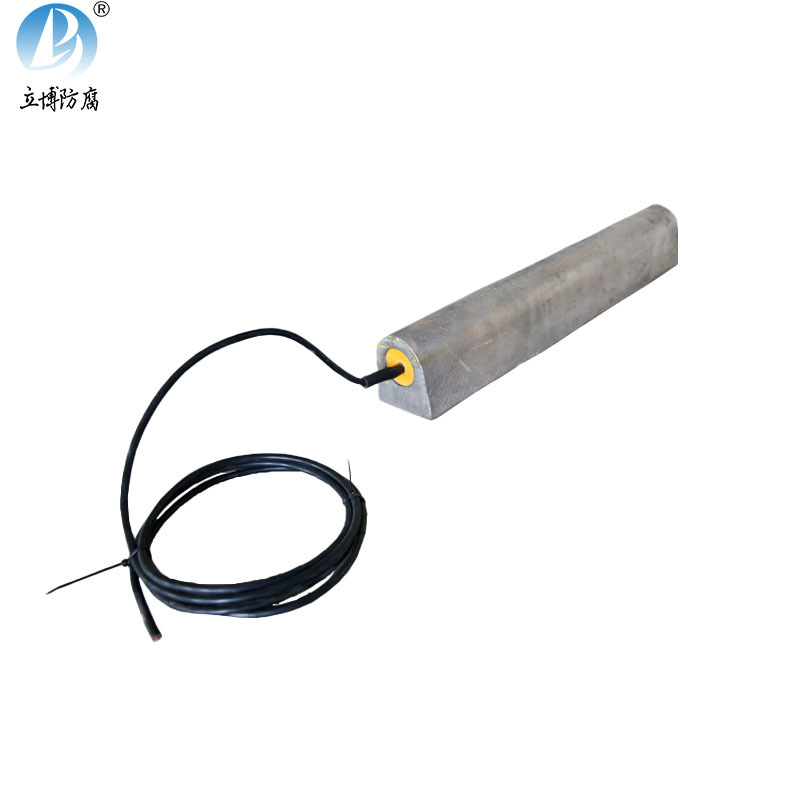
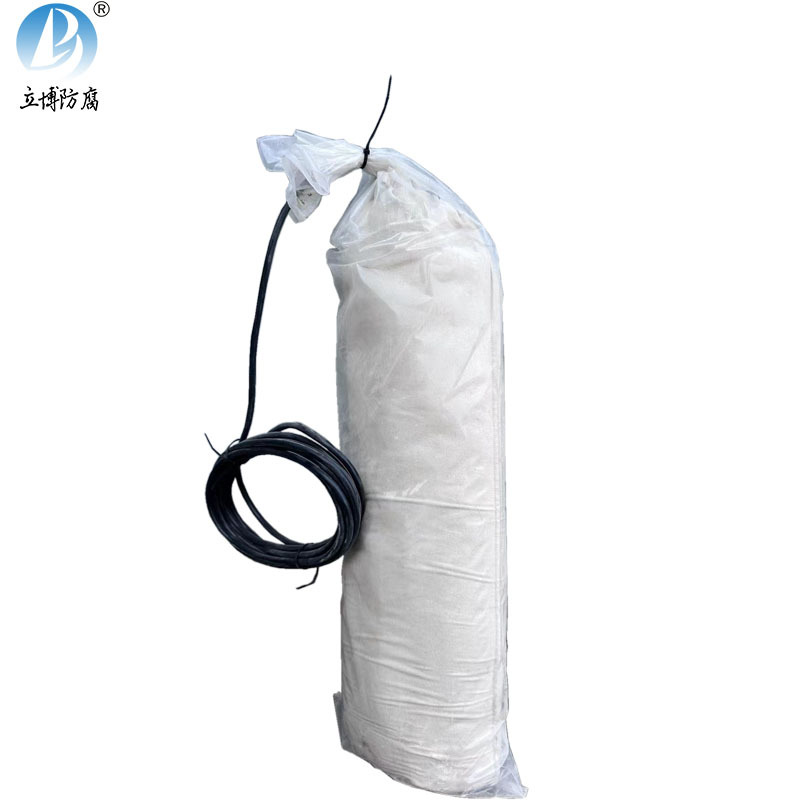

Focus on the development and production of cathodic protection materials

online message
We will contact you within one working day. Please pay attention to your phone or email.