


Understanding Deep Well Anodes: A Key Component in Corrosion Protection
Release time:
2025-08-22
Deep well anodes are critical components used primarily in cathodic protection systems to prevent corrosion in buried pipelines, tanks, and other structures that are exposed to moisture and electrolytic environments. They serve as sacrificial anodes, meaning they corrode instead of the metal structures they are designed to protect. This process significantly prolongs the lifespan of these structur
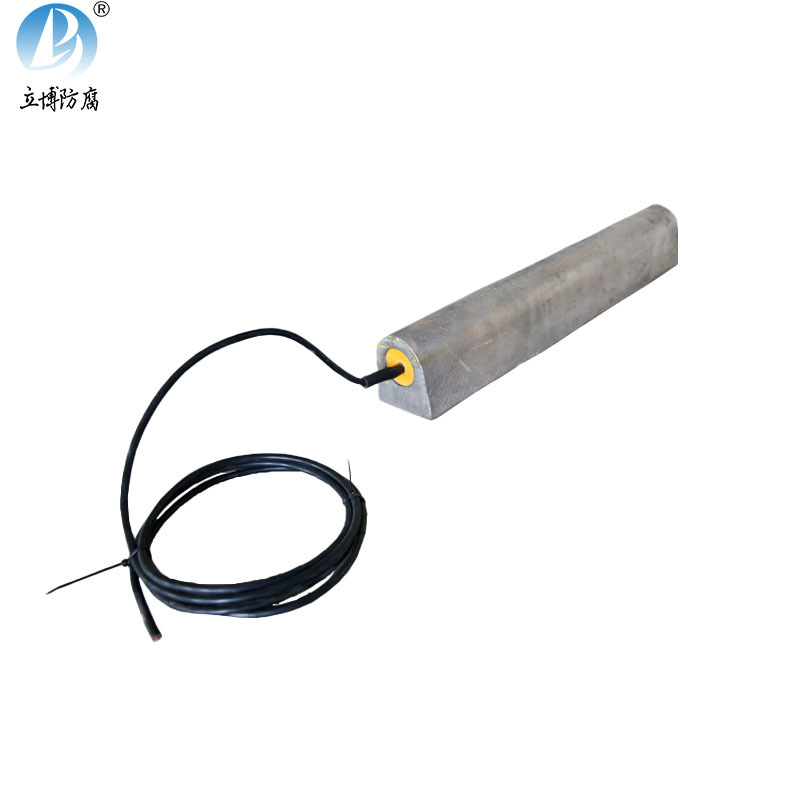
The basic principle behind deep well anodes involves creating an electrochemical reaction. When metal is exposed to corrosive elements, it can undergo oxidation, leading to deterioration. By installing deep well anodes, which are typically made from magnesium, zinc, or aluminum, you provide a more reactive metal that will corrode first. This ensures that the protected structures remain intact and functional.
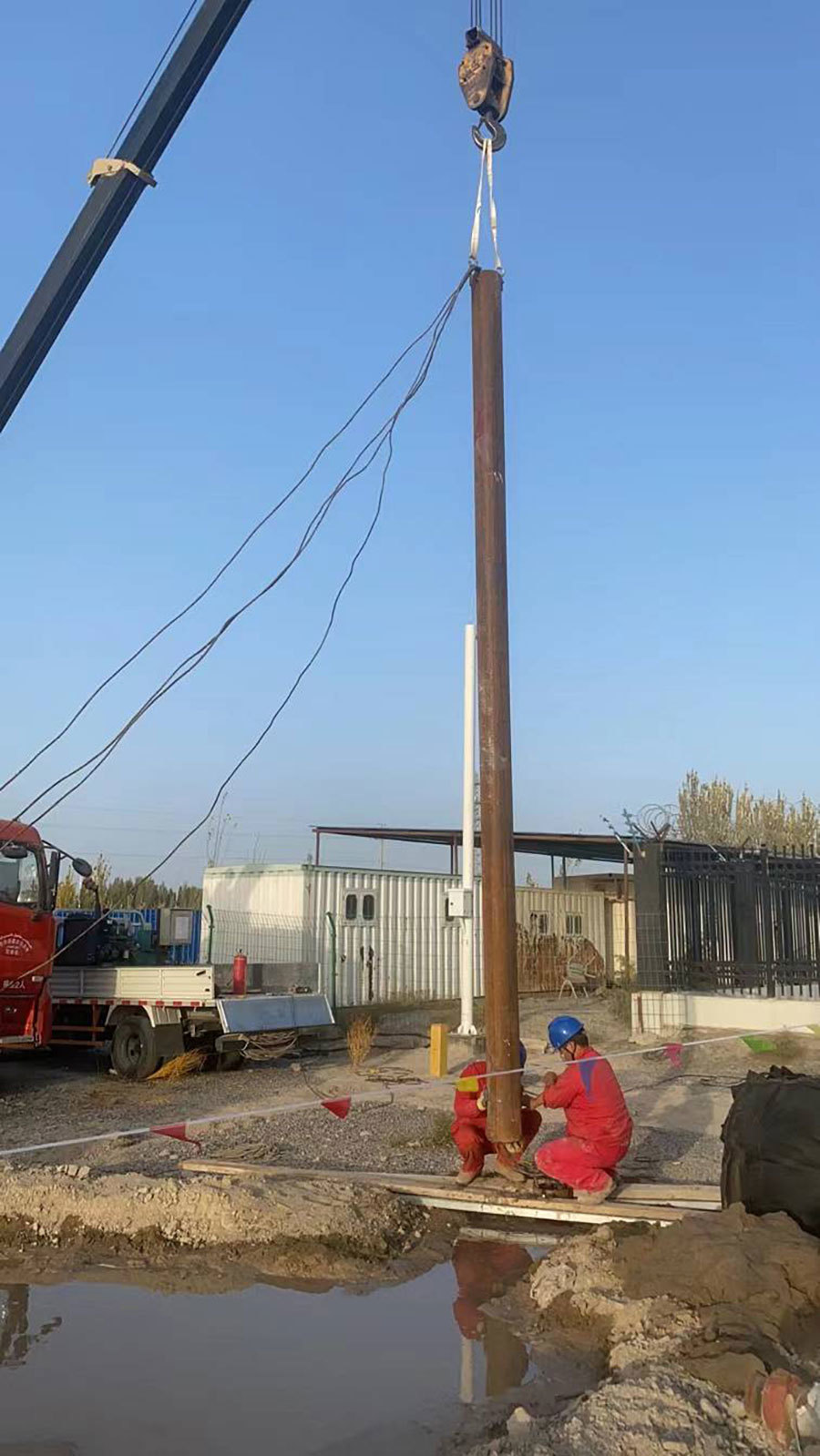
One of the primary advantages of using deep well anodes is their effectiveness in areas where traditional anode systems may be less efficient. For instance, in deep wells or in environments with challenging soil conditions, deep well anodes can be driven deeper into the earth, ensuring better electrical conductivity and enhanced protective capabilities. Their design allows them to reach surrounding soil layers that might be less contaminated, thereby improving the overall effectiveness of the corrosion protection system.
Installation considerations are crucial when working with deep well anodes. It is essential to assess soil resistivity, moisture content, and potential corrosive agents present in the environment. Proper installation techniques should ensure that the anodes are adequately grounded and that sufficient spacing is maintained between anodes and the structures they protect. This meticulous approach not only enhances the performance of the anodes but also ensures compliance with industry standards and regulations.
Maintenance of deep well anodes is another important aspect to consider. Regular inspections and monitoring are necessary to evaluate their condition and effectiveness. Replacement intervals may vary based on the specific environmental conditions and the type of materials used for the anodes. Having a proactive maintenance plan can further mitigate corrosion risks and extend the service life of the protected structures.
In summary, deep well anodes are indispensable in the field of corrosion protection, especially in challenging environments. Their ability to act as sacrificial anodes provides a reliable means of safeguarding essential infrastructure. By understanding their function, installation, and maintenance, professionals in the building and decorative materials industry can better protect their investments and ensure long-term structural integrity.
Key words:
Learn more about industry dynamics
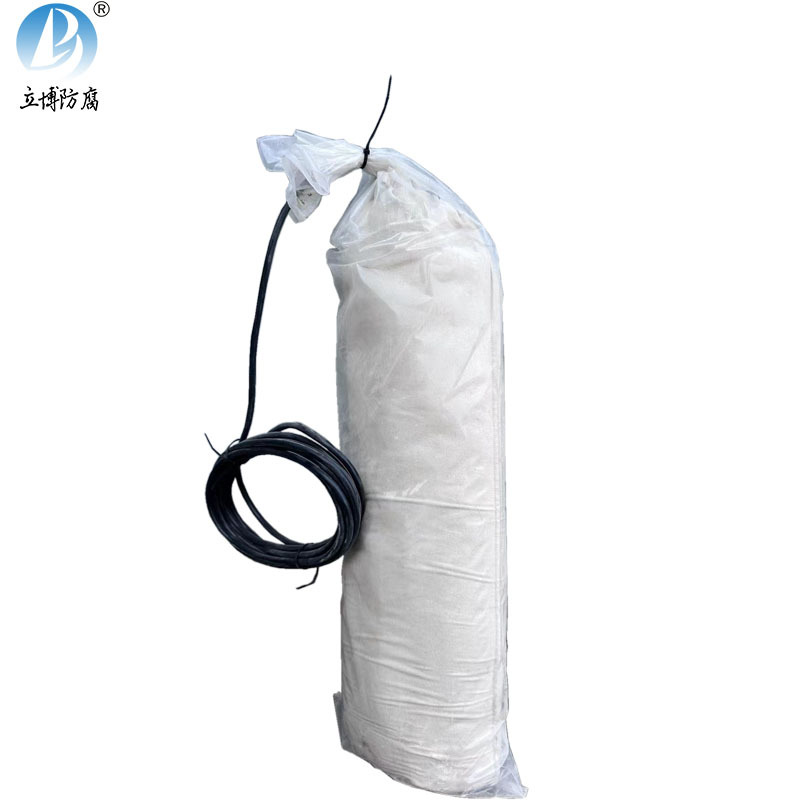
The company's main products: magnesium alloy sacrificial anode series, aluminum alloy sacrificial anode series, zinc alloy sacrificial anode series, and cathodic protection supporting products, such as more than a dozen varieties and hundreds of specifications.


Focus on the development and production of cathodic protection materials

online message
We will contact you within one working day. Please pay attention to your phone or email.